
Mid-Hudson
Home Inspection in Sullivan County, New York
One short form connects buyers, sellers and owners in Sullivan County with a NACHI-certified inspector who lists the area. It is free and there is no obligation.
- Inspectors listed
- 2
- City pages
- 0
- To request
- Free
Sullivan County sits in the western Catskills, a largely rural stretch of New York State known for lakes, state forest land, and a housing stock shaped by more than a century of farming, logging, and seasonal tourism. Buyers here are often choosing between a year-round home in a hamlet center, a renovated bungalow-colony cottage from the county's Borscht Belt era, or a farmhouse on acreage with its own well and septic system, and each of those comes with a different set of things a home inspection needs to catch. This page is a local guide to what matters when you're having a home inspected in Sullivan County, not a substitute for the inspection itself.
Whether you're a first-time buyer closing on a weekend getaway near the Delaware River, a family relocating to a full-time residence off Route 17, or a longtime owner trying to understand what an inspector found in a pre-purchase report, the goal here is the same: give you an honest, locally grounded sense of what a Sullivan County home inspection actually covers and why it matters in this specific part of New York.
We've organized this guide around the real housing patterns and systems you'll encounter across the county, from century-old farmhouses to raised ranches built during the mid-century second-home boom, along with practical guidance on licensing, cost ranges, and how to choose an inspector who knows this region. NACHI-certified inspectors are currently listed serving communities across Sullivan County, including Grahamsville and Glen Spey, and you can connect with one directly through this site.
What We Do Across Sullivan County
Think of Inspecverse as the front desk for inspections in Mid-Hudson. Every request for a local home inspection in Sullivan County comes to us first, gets checked for the details an inspector needs, and is passed to a NACHI-certified professional who has listed Sullivan County as an area they serve.
You stay in control the whole time: requesting a quote is free, there is no obligation to hire, and you decide which inspector to work with. Right now 2 NACHI-certified inspectors are listed for Sullivan County on this page.
Why Choose Inspecverse for a Home Inspection in Sullivan County?
Buyers and owners in Sullivan County, NY have plenty of ways to find an inspector. Here is why many start with us:
- Local by design. Requests for Sullivan County go to inspectors who list this area, not to a national call center.
- One form, both tracks. Residential and commercial requests use the same short form, and you only answer the questions that apply to your property.
- Credentials up front. Inspectors on this page are shown by name and InterNACHI credential, so you can see who serves Sullivan County before you ask for a quote.
- Free, no obligation. Submitting a request costs nothing and does not commit you to hiring anyone.
- Plain-English New York guidance. We explain how New York licensing works so you can check any inspector yourself.
Ready when you are: request a free quote.
Directory
Home Inspectors Serving Sullivan County
2 NACHI-certified inspectors
Mike Isfan
Within The Scope Home Inspections LLC
Certified Professional Inspector®
Matthew Costa
CHB Inspections
Certified Professional Inspector®
Contact details stay private. Send one request and we route it to an inspector who serves Sullivan County.
Request a QuoteWhat Makes Us Better Than a Generic "Home Inspector Near Me" Search
A generic search for a home inspector near Sullivan County returns ads, national lead sites and inspectors who may be an hour away. Inspecverse is built only for New York and organized county by county and city by city, so the inspectors listed for Sullivan County are the ones who say they serve it.
- New York only. Every page, including this one, is written around New York housing and New York inspection rules.
- Local pages, real detail. The guide below covers housing, climate and systems that matter in Sullivan County specifically.
- Residential and commercial. One directory for a starter home, a rental building or a storefront.
- Straight talk. We explain what to check yourself instead of promising outcomes we cannot control.
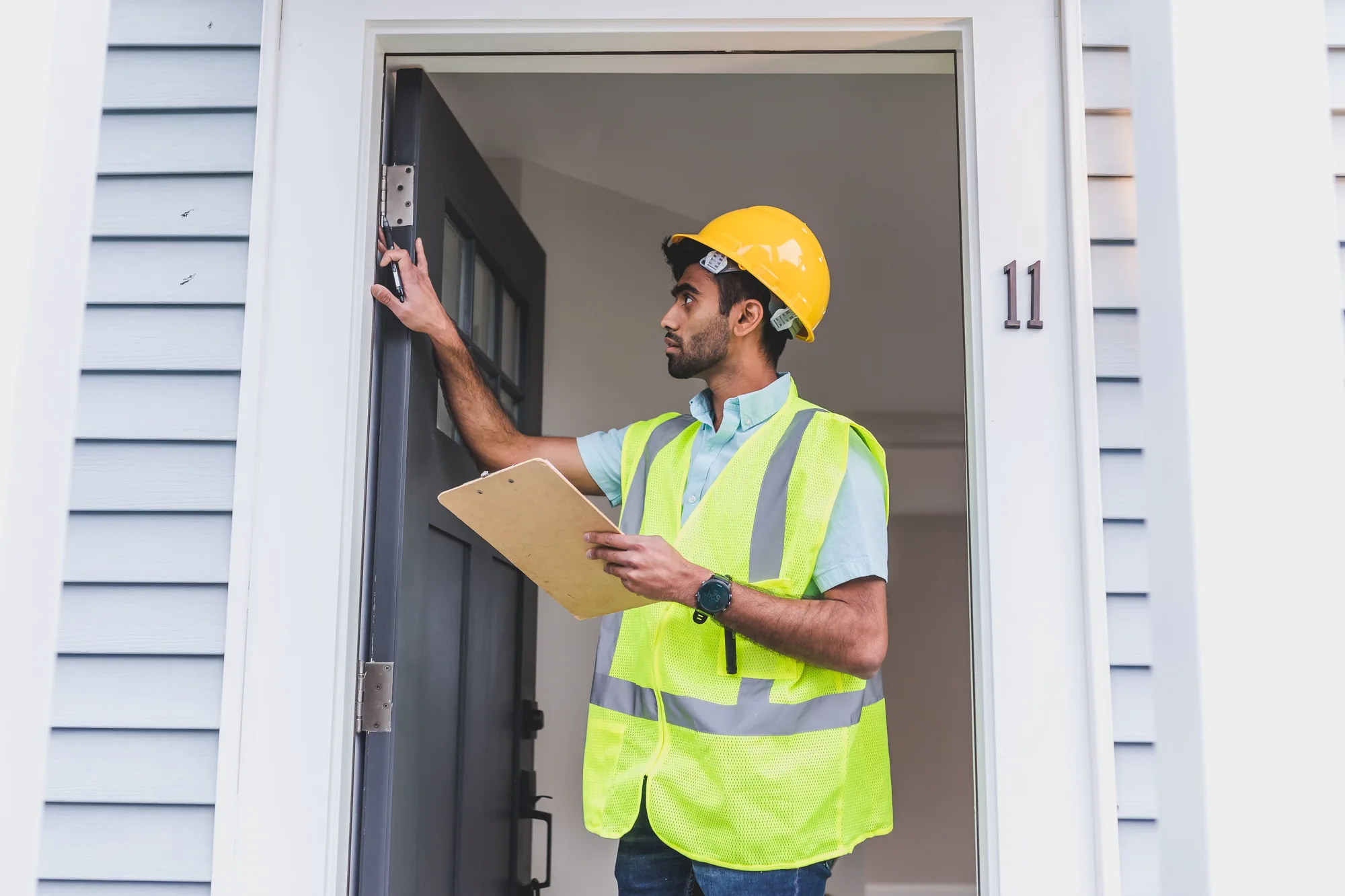
Local Factors for Inspections in Sullivan County
The Hudson Valley mixes village homes, older farmhouses and newer subdivisions. Outside village water and sewer systems, many homes rely on private wells and septic systems, so well water testing and septic evaluation are common add-ons to a home inspection in Sullivan County, NY.
Older stone and block foundations, wet basements after heavy rain, and radon testing (commonly run for at least 48 hours) are other frequent topics. Ask your inspector which of these apply to your property.
Inspection Services Available in Sullivan County
Inspectors who serve Sullivan County offer different mixes of services, so tell us what you need in your request. Commonly requested services include:
- Pre-purchase home inspection for buyers under contract.
- Pre-listing inspection for sellers who want no surprises.
- New construction and phase inspections before drywall or before closing.
- Radon testing, commonly run for at least 48 hours.
- Well water and septic evaluations for properties off municipal systems.
- Wood-destroying insect (WDI) reports when a lender or buyer asks for one.
- Commercial property inspections for offices, retail and multi-family buildings.
Not every inspector offers every service; the one you are routed to will confirm what is included in your quote.
What to Consider Before You Book a Home Inspection in Sullivan County
- An active New York license. Home inspectors in New York must be licensed by the Department of State under Article 12-B of the Real Property Law. Ask for the license number and look it up before the inspection.
- Liability insurance. New York requires licensed home inspectors to carry general liability insurance of at least $150,000 per occurrence and $500,000 in the aggregate. Ask for the certificate.
- A sample report. A good report is organized, photo-documented and clear about what is a safety issue, what needs repair and what is routine maintenance.
- Scope and add-ons. Radon, well water, septic and wood-destroying insect checks are often separate services. Mold assessment in New York requires a separate Mold Assessor license.
- Timing. Line up your home inspection in Sullivan County, NY early in your contingency window so there is time to bring in a specialist if the inspector recommends one.
Need a home inspection near Sullivan County?
Residential or commercial. Free to request, no obligation.
Licensing and Insurance: Protecting Your Sullivan County Purchase
A New York license is the baseline, not a bonus. Home inspectors here are licensed by the Department of State under Article 12-B, and they must carry the state's required general liability coverage ($150,000 per occurrence, $500,000 aggregate). InterNACHI certification, shown next to each inspector on this page, is a professional credential on top of that.
We do not verify licenses on your behalf, so checking is quick and worth it: ask the inspector for the number and look it up before the inspection.
Getting the Most From Your Inspection Near Sullivan County
If you are the buyer, ask your agent to confirm access with the sellers and to make sure utilities are on. If you are the seller, clear the way to the attic, basement, panel and mechanical equipment.
Attend if you can. Seeing an issue in person, with the inspector explaining it, makes the report much easier to understand when you sit down to decide next steps after your home inspection in Sullivan County, NY.
Home Inspection Near Sullivan County: Communities We Cover
This page is your starting point for a home inspection near Sullivan County anywhere in Sullivan County, NY. If your town is not named, send a request with your address and we will check which listed inspectors serve it.
Sullivan County is part of the Mid-Hudson region, so you will also find links to nearby counties at the bottom of this page if your property sits close to a county line.
What Affects the Cost of a Home Inspection in Sullivan County
We do not publish prices because they depend on the property and the inspector. The main factors are:
- Size and age of the home; older and larger homes take longer.
- Property type: single-family, condo, multi-family or commercial.
- Foundation and access: crawlspaces and large attics add time.
- Add-ons: radon, well water, septic, sewer scope and WDI reports.
The fastest way to get a real number is to request a free quote with your property details.
Questions to Ask a Home Inspector in Sullivan County
- What is your New York home inspector license number?
- Can I see a sample report?
- How long will the inspection take for a property like mine?
- Can I attend, and when will I receive the written report?
- Do you offer radon, well, septic or WDI services, or do you refer them out?
- How long have you inspected homes in Sullivan County and Mid-Hudson?
Any home inspector near Sullivan County worth hiring will answer these happily.
Local guide
The Sullivan County Home Inspection Guide
Housing, climate, systems and New York rules that shape a home inspection in Sullivan County, written for buyers and sellers.
Sullivan County's Housing Stock: A Brief History
Sullivan County's homes reflect several distinct waves of development rather than one uniform building era. The oldest layer is 19th-century farmhouse and homestead construction, built when the county's economy centered on dairy farming, tanning, and timber. Many of these structures have been added onto, re-sided, or partially modernized multiple times over 100-plus years, which is exactly the kind of layered history a thorough inspection needs to untangle.
The second major wave came in the early-to-mid 20th century, when Sullivan County became one of the most famous vacation destinations in the Northeast, the heart of the so-called Borscht Belt, with resorts, bungalow colonies, and small lakeside cottages built to house seasonal visitors from New York City. Many of those original seasonal structures still stand today, some converted to full-time residences, others still used as weekend or summer retreats, and the quality of that conversion work varies enormously from property to property.
A third layer arrived from the 1950s through the 1980s as year-round and second-home construction expanded along the county's lakes and roadways, bringing more raised ranches, split-levels, and conventional colonials into the mix. Understanding which era a given property belongs to, and how much of its original construction survives versus how much has been replaced, is one of the first things a buyer should establish before an inspection even begins.
Common Building Types Found Across the County
Because Sullivan County's development happened in distinct historical waves rather than through large modern subdivisions, the building types here are notably varied even within the same hamlet or road.
Farmhouses and Converted Homesteads
Original farmhouse construction in this county often used simple balloon framing, stone or rubble foundations, and heating systems that have been replaced at least once, sometimes more. These homes frequently show evidence of additions built at different times, which can mean inconsistent floor framing, mismatched electrical generations, or transitions between foundation types under a single roofline. An inspector working in this county will typically walk the full perimeter and crawlspace access points specifically looking for where one era of construction meets another.
Bungalow-Colony Cottages and Converted Seasonal Housing
Properties that began life as part of the county's resort and bungalow-colony era were often built to minimal seasonal standards, with shallow foundations, limited insulation, and electrical systems sized for lighter, warm-weather use. When these are converted to full-time or more intensive use, a careful inspection should evaluate whether heating, insulation, and electrical capacity were genuinely upgraded for year-round living or whether the conversion was cosmetic only.
Raised Ranches, Split-Levels, and Mid-Century Colonials
Mid-to-late 20th century construction across the county tends to be more structurally conventional, but these homes are now old enough that original mechanical systems, roofing, and in some cases knob-and-tube or early aluminum wiring may still be present or only partially updated. A raised ranch or split-level's multiple short foundation walls and grade-level entries are also worth particular attention for water management and insulation continuity.
Local Geography and Why It Matters for Inspections
Sullivan County spans a mix of Catskill foothill terrain in its northern and eastern reaches and gentler, river-valley topography toward its southwestern border along the Delaware River. That range of terrain means the inspection priorities for a home can differ meaningfully depending on where in the county it sits, from steep-lot drainage and foundation concerns in hillier areas to riverbank and floodplain questions nearer the Delaware.
The county is also dotted with reservoirs, lakes, and creeks that have shaped where and how homes were built, often clustering residential development along shorelines where septic system placement, well setback distances, and shoreline erosion become inspection-relevant topics in a way they simply aren't in a dense municipal neighborhood.
Well Water: What Buyers Need to Know
Outside of the county's village centers and more developed hamlets, private wells are the norm rather than the exception across Sullivan County. For a buyer coming from a municipal-water area, this is often the single biggest adjustment in understanding what a home inspection, and the testing that typically accompanies it, actually needs to cover.
A general home inspection evaluates visible plumbing and the well's above-ground equipment, but water quality and well yield are usually assessed through separate testing, often arranged through the inspector or a specialized well contractor. Because well systems and their output can vary significantly even between neighboring properties depending on depth, aquifer conditions, and maintenance history, buyers purchasing in this county should treat well testing as a near-default addition rather than an optional extra.
What Well Water Testing Typically Checks
Standard well water testing commonly screens for bacteria (such as total coliform), along with basic water chemistry like pH, hardness, and in some cases nitrates or naturally occurring elements relevant to the region's geology. Results typically come from a lab rather than an on-site reading, which means buyers should plan for the lab turnaround time when thinking about their closing timeline.
Well Age, Depth, and Equipment Condition
Beyond water quality, an inspector will generally look at the visible condition of the well cap, pressure tank, and pump equipment, along with any available documentation about the well's age and depth. Older dug or shallow wells, more common on the county's older farmhouse properties, can behave differently than newer drilled wells, particularly during dry periods.
Septic Systems: What to Expect in a Rural County
Just as well water is the norm outside developed centers, individual septic systems serve the large majority of homes across Sullivan County's more rural areas. A septic evaluation is typically conducted separately from the general home inspection, sometimes by the same inspector and sometimes by a dedicated septic contractor, and usually involves locating the tank, assessing its condition, and checking the drain field's apparent function.
Because septic repairs or full system replacement can represent a substantial and sometimes unexpected cost, many experienced buyers in this county treat a septic evaluation as essential rather than optional, even on properties where the seller reports no known issues. Age of the system, size relative to the home's bedroom count, and any signs of surfacing effluent or unusually lush vegetation over the drain field are among the things a qualified evaluator will typically note.
Radon: A Regional Consideration, Not a Guaranteed Problem
Radon potential in New York State varies considerably by county and even by township, based largely on local bedrock and soil geology, and no single statewide number applies evenly everywhere. Sullivan County's geology, dominated by shale, sandstone, and glacially deposited till typical of the western Catskills and upper Delaware watershed, differs from the geology in some other parts of the state known for higher radon potential, but regional characterization is not the same as a guarantee about any individual home.
The only reliable way to know a specific property's radon level is to test it, and because a meaningful share of this county's housing stock includes full or partial basements, that makes radon testing a relevant add-on for many inspections here. Radon testing is typically a modest add-on cost relative to the base inspection fee and is often bundled into an inspector's standard offerings in this region.
Age-Related Concerns: Lead Paint, Asbestos, and Pre-1978 Construction
Because such a large portion of Sullivan County's housing stock, from farmhouses to bungalow-colony cottages to early ranches, predates 1978, lead-based paint is a realistic consideration for many purchases here. Federal law requires specific lead paint disclosures for homes built before 1978, and buyers of older properties in this county should expect to see that disclosure paperwork as a standard part of the transaction regardless of the home's visible condition.
Asbestos-containing materials are a similar era-related concern, having been commonly used in insulation, floor tile, siding, and pipe wrapping well into the mid-20th century. A standard visual home inspection is not a certified asbestos survey, but an experienced inspector working regularly in this county's older housing stock will typically flag materials that appear consistent with asbestos-era products so a buyer can decide whether specialized testing is warranted before disturbing them.
What a Visual Inspection Can and Can't Tell You About Lead or Asbestos
A general home inspector can point out paint conditions or materials that are visually consistent with lead or asbestos risk based on the home's age and construction era, but confirming the actual presence of either typically requires separate specialized testing. This distinction matters in a county where pre-1978 construction is common rather than the exception, so buyers shouldn't assume a clean general inspection report rules out these era-specific materials.
Foundation and Basement Types Common to the Region
Sullivan County's varied terrain and long building history mean foundation types here run the gamut from original stone and rubble foundations on 19th-century farmhouses to poured concrete on mid-century construction to shallow pier or slab foundations on former seasonal cottages never meant to carry a full basement load. Each type carries its own set of typical concerns.
Older stone foundations are often structurally sound but can show mortar deterioration, water infiltration patterns, and uneven settling that an inspector will want to document carefully rather than dismiss as purely cosmetic. Properties built into hillsides, common given the county's terrain, also deserve particular attention to grading and drainage, since water management around a foundation set into a slope behaves differently than on a flat lot.
Stone and Rubble Foundations on Older Farmhouses
These foundations were typically built without modern waterproofing or drainage systems, relying instead on gravity, mass, and whatever grading existed at the time of construction. Mortar joint condition, visible cracking patterns, and any history of water intrusion into the basement or crawlspace are among the key things an inspector will assess here.
Crawlspaces and Pier Foundations on Converted Seasonal Homes
Many bungalow-colony-era cottages were built on minimal pier or post foundations with open or lightly enclosed crawlspaces, adequate for seasonal use but often insufficient for the insulation and moisture control a full-time residence needs. When these homes are converted to year-round use, foundation and crawlspace upgrades don't always keep pace with interior renovations, which is a pattern inspectors in this county see regularly.
Heating Systems and HVAC: What's Typical for This Climate
Sullivan County's winters are cold enough, and its older housing stock old enough, that heating system age and type are consistently among the more significant findings in local inspection reports. It's common to find oil-fired boilers or furnaces still in service on older properties, sometimes alongside newer supplemental systems like wood stoves, propane units, or, increasingly, heat pumps added during more recent renovations.
Because many properties in this county are not connected to natural gas service, propane and oil remain far more common heating fuels here than in more urbanized parts of the state, and that affects both the mechanical inspection itself and a buyer's longer-term cost planning for fuel storage and delivery.
Oil and Propane Heating System Age
An inspector will generally note the apparent age and condition of oil or propane heating equipment, along with visible signs of the system's maintenance history, since these systems have a finite service life and replacement can be a significant cost. Above-ground and buried oil tanks also warrant attention, as tank age and condition carry their own environmental and insurance considerations distinct from the furnace or boiler itself.
Wood Stoves and Supplemental Heat Sources
Wood stoves and other supplemental heating are common in this county, often installed by a previous owner without professional permitting or inspection. A home inspector will typically check clearances, chimney or flue condition, and overall installation quality for these supplemental systems, since improperly installed wood-burning equipment is a recognized safety and insurance concern.
Electrical Systems: What Age-Related Issues to Expect
Given how much of Sullivan County's housing predates modern electrical codes, electrical system condition is one of the more consistently important findings across local inspections. Older farmhouses and converted seasonal cottages in particular may retain some original wiring even after other renovations, since electrical upgrades are often deferred compared to more visible cosmetic improvements.
Buyers should expect an inspector to evaluate the main panel's capacity and condition, look for outdated wiring types where visible, and note whether the system appears adequate for modern electrical loads, including central air, electric heat pumps, or home office equipment that older systems were never designed to support.
Roofing Considerations for This Climate and Era
Roofing in Sullivan County has to handle a real winter snow load, and that factors into both what materials are typically used and what an inspector looks for. Older farmhouses may have gone through multiple roofing generations, while bungalow-colony-era cottages sometimes have lower-pitched roofs that were adequate for seasonal use but show their age more visibly under full-time, year-round weather exposure.
Ice damming, a common cold-climate roofing issue caused by heat loss melting snow that then refreezes at the eaves, is a realistic concern for older or under-insulated homes in this region, and inspectors here will typically look for the attic insulation and ventilation patterns that either prevent or contribute to it.
What a Buyer's Inspection Process Looks Like in Sullivan County
The general shape of a home inspection in Sullivan County follows the same basic structure as anywhere in New York: the inspector examines the home's accessible structural, mechanical, and safety-related systems, then delivers a written report, typically with photos, describing what they found. What differs here is the frequent addition of well, septic, and sometimes radon testing as near-standard components of the overall process, given how common private water and waste systems are across the county.
Buyers should expect to be present for at least part of the inspection if possible, since walking through the home with the inspector and asking questions in real time is one of the most valuable parts of the process. In a rural county like this, where properties can include outbuildings, detached garages, or multiple structures on a single parcel, it's also worth clarifying up front exactly which structures the inspection will and won't cover.
What's Typically Included vs. What's an Add-On
A standard general home inspection typically covers the home's structure, roof, exterior, electrical, plumbing, heating and cooling systems, and interior conditions. Well testing, septic evaluation, radon testing, and often outbuilding inspections are typically offered as add-ons rather than automatically included, so buyers in this county should ask specifically what's covered before assuming a quote includes everything relevant to a rural property.
Multiple Structures and Acreage Considerations
Because many Sullivan County properties include detached garages, barns, guest cottages, or other outbuildings, often on larger parcels than a typical suburban lot, buyers should clarify with their inspector exactly which structures are included in the scope of the inspection. An inspection focused only on the main dwelling can leave significant unknowns about outbuildings that may represent real value, or real liability, on a rural property.
What a Seller's Pre-Listing Inspection Can Accomplish
Sellers in Sullivan County, particularly those listing older farmhouses, converted seasonal properties, or homes that have sat vacant for part of the year, can benefit from a pre-listing inspection that identifies issues before a buyer's inspector does. This is especially relevant in a county where buyers often come from outside the immediate area and may be less familiar with the normal quirks of older rural housing, meaning findings that a local buyer might consider routine could otherwise cause unnecessary negotiation friction or deal hesitation.
A pre-listing inspection also gives sellers time to address or at least price around issues on their own timeline rather than reacting under the pressure of a pending transaction, which can be particularly valuable for well, septic, or heating system findings that may take time to properly resolve.

New York State Licensing Requirements for Home Inspectors
Home inspectors operating anywhere in New York, including Sullivan County, must be licensed by the New York State Department of State's Division of Licensing Services under the state's Home Inspection Professional Licensing Law. This framework requires inspectors to meet education or supervised-experience requirements and pass a licensing exam before they can legally perform inspections for compensation.
Prospective inspectors generally satisfy the requirement either through a Department-approved training course that includes a substantial supervised field component, or through an alternative path involving a set number of supervised home inspections completed under a licensed professional. Either route is followed by a licensing exam, and licensed inspectors are also required to maintain liability insurance and complete continuing education to keep their license current.
Buyers should understand that state licensure establishes a baseline of competency and legal accountability, but it is a floor, not a ceiling. Many inspectors pursue additional voluntary credentials, such as NACHI certification, that layer on more rigorous ongoing education and standards-of-practice requirements beyond what state law strictly requires.
NACHI Certification and Why It's Worth Asking About
NACHI, the International Association of Certified Home Inspectors, is a professional organization that certifies inspectors who commit to its continuing education requirements and standards of practice, on top of whatever baseline a state license requires. In a county with as much structural variety as Sullivan County, from 19th-century farmhouses to mid-century ranches to converted seasonal cottages, an inspector with broad continuing education and exposure to older housing types can bring real value to a buyer's process.
When comparing inspectors in this county, it's reasonable to ask not just whether they're NACHI-certified, but how much of their recent experience has been specifically with the kinds of properties common here, older rural homes with wells and septic systems, rather than newer suburban construction elsewhere in the state.
How to Choose a Home Inspector in Sullivan County
Choosing an inspector for a Sullivan County property benefits from asking a few targeted questions beyond simply confirming state licensure. Given how much of this county's housing involves wells, septic systems, older foundations, and sometimes multiple structures on a single parcel, an inspector's familiarity with these specific conditions matters more here than it might in a more uniform suburban market.
It's reasonable to ask a prospective inspector how often they work in this county specifically, whether they personally handle well and septic evaluations or coordinate with separate specialists, and how they typically handle inspections on older farmhouses or converted seasonal properties, since those answers tend to reveal real regional experience rather than generic credentials alone.
Questions Worth Asking Before You Book
Beyond licensing and certification, ask how the inspector handles reporting (same-day versus multi-day turnaround), whether photos and a written narrative are included, and how they coordinate scheduling if well, septic, or radon testing requires a separate visit or lab turnaround. For a rural county like this, scheduling coordination across multiple testing components can meaningfully affect your closing timeline.
Red Flags to Watch For
Be cautious of an inspector unwilling to explain what is and isn't included in a quoted price, one who can't clearly describe their approach to well or septic evaluation on rural properties, or one who seems unfamiliar with older construction types common in this county. A locally experienced inspector should be able to speak comfortably about farmhouse foundations, seasonal-cottage conversions, and private water and waste systems without hesitation.
Typical Home Inspection Costs in Sullivan County
As a general estimate for the 2025-2026 period, a standard home inspection for an average single-family home in this part of New York commonly falls somewhere in the range of roughly $350 to $650, though this should be treated as a planning range rather than a quote. Final pricing depends heavily on the home's size, age, foundation type, and the number of additional systems being tested.
Add-on services common in this county, well water testing, septic evaluation, and radon testing, typically carry their own separate fees on top of the base inspection cost, and bundling several of these together is common enough that many local inspectors offer package pricing. Larger properties, homes with multiple structures, or older properties requiring more time to document thoroughly can push costs toward the higher end of typical ranges or beyond them.
Closing Timeline Considerations for Sullivan County Buyers
Because inspections in this county so often involve well, septic, and sometimes radon testing in addition to the general inspection, buyers should build extra time into their closing timeline beyond what a simple inspection contingency might suggest in a municipal-water, municipal-sewer market. Lab results for water quality testing and radon measurements can take several days to return, and septic evaluations sometimes require follow-up if initial findings raise questions.
Working backward from a target closing date, buyers and their agents should coordinate the inspection and any necessary add-on testing as early as the contract timeline allows, rather than waiting until close to the inspection contingency deadline, since a rural property's additional testing components simply take more calendar time than a straightforward single-system inspection.
Flood Zone and Water Proximity Considerations
Sullivan County's many lakes, creeks, reservoirs, and its stretch of the Delaware River mean flood zone status is a realistic consideration for a meaningful share of properties here, particularly along the river corridor and around the county's larger lakes. Formal flood zone determination typically comes through FEMA flood maps or a property survey rather than the home inspection itself, but proximity to water is something buyers should flag early in their due diligence.
Homes in or near designated flood zones may carry flood insurance requirements that affect both financing approval and ongoing ownership costs, so buyers considering a property near the Delaware River or one of the county's lakes should confirm flood zone status as a parallel step alongside, not instead of, their general home inspection.
Spotlight: Home Inspection Considerations in Grahamsville
Grahamsville, a hamlet in the Town of Neversink near the western end of the Rondout Reservoir, sits at the southernmost edge of the Catskill Park and reflects the county's older rural building traditions particularly well. Many properties here are farmhouses or homestead-era structures, some dating back well over a century, often set on larger parcels that may include barns or other agricultural outbuildings alongside the main residence.
Given Grahamsville's elevation and position within the Catskill Park's boundary, properties here frequently deal with rockier or steeper terrain than other parts of the county, which makes foundation drainage and grading evaluation particularly relevant during an inspection. The area's proximity to the Rondout Reservoir, part of New York City's water supply system, also means some nearby parcels may fall under watershed-related land use considerations that buyers should clarify with local authorities as part of their broader due diligence, separate from the inspection itself.
What to Expect When Inspecting Older Grahamsville-Area Farmhouses
Given the hamlet's long agricultural history, inspectors working in and around Grahamsville regularly encounter original stone foundations, multiple generations of additions, and outbuildings that may have been converted to other uses over the decades. A thorough inspection here benefits from an inspector comfortable assessing older timber framing and the kind of layered construction history common in a working farm community that gradually transitioned toward other uses.
Spotlight: Home Inspection Considerations in Glen Spey
Glen Spey, a hamlet in the Town of Lumberland along the Delaware River near the Pennsylvania border, sits within the Upper Delaware Scenic and Recreational River corridor, a federally designated area known for its river frontage and largely residential, low-commercial character. Properties here often include river-adjacent or river-view homes, and that proximity to the Delaware River is one of the more locally specific factors an inspection and broader due diligence process should account for.
Because of Lumberland's position directly on the river, flood zone status and shoreline-related considerations deserve particular attention for properties in and around Glen Spey, more so than in parts of the county set farther back from major waterways. Buyers should also be aware that the area's more remote, lower-commercial character can mean greater reliance on private wells and septic systems, with fewer nearby service providers than in more developed parts of the county, which can be a practical factor in scheduling inspection add-ons.
River Proximity and Its Effect on Inspection Priorities
For homes in and around Glen Spey situated near the Delaware River, an inspector's attention to foundation moisture history, crawlspace conditions, and any visible evidence of past water intrusion takes on added importance compared to properties set farther from the water. Buyers here should also independently verify flood zone status through FEMA resources, since river-corridor properties can sit in or adjacent to mapped flood areas even when the home itself appears to be set at a safe elevation.
Common Defects Found in Sullivan County Homes
Across the inspections performed in this county, certain categories of findings recur often enough to be worth knowing about before you're standing in a specific home hearing about them for the first time. These tend to cluster around the same themes that run through this guide: age, rural infrastructure, and the layered construction history common to a county built up in several distinct waves rather than one uniform development period.
Foundation Moisture and Drainage Issues
Given the county's hillside terrain in many areas and the prevalence of older foundations without modern waterproofing, some degree of foundation moisture or drainage-related finding is one of the more commonly documented issues in local inspection reports. This ranges from minor grading recommendations to more significant water intrusion history requiring remediation.
Deferred Electrical Upgrades
Especially in older farmhouses and converted seasonal properties, partial electrical upgrades that leave some original wiring or undersized capacity in place are a recurring finding. This doesn't necessarily mean a system is unsafe, but it often means a buyer should budget for further electrical work sooner than they might in a home with fully modernized wiring.
Aging Heating Equipment
Oil and propane heating systems nearing or past typical service life are a common finding given how much of the county's housing stock is older and how reliant it is on these fuel types rather than natural gas. This is often flagged alongside tank age and condition when oil heat is present.
Insurance Considerations Tied to Inspection Findings
Certain inspection findings in this county carry direct insurance implications that buyers should be aware of before closing. Older heating systems, aging oil tanks, wood stove installations, and in some cases older electrical systems or roofing can all affect homeowners insurance availability or pricing, sometimes requiring remediation before a policy can be issued at all.
Buyers should consider sharing their inspection report with their insurance agent or broker early in the process, particularly for older Sullivan County properties, so that any insurance-related conditions can be identified and addressed well before the closing date rather than discovered at the last minute.
Working With Your Real Estate Agent on Inspection Results
Once an inspection report is in hand, how a buyer or seller uses it is as important as what it contains. In a county where rural infrastructure findings (well, septic, heating system age) are common rather than exceptional, experienced local agents can help contextualize which findings are typical negotiating points versus which represent more serious concerns warranting a harder look.
Buyers should resist treating every line item in a thorough inspection report as a deal-breaker, since a comprehensive report on an older rural home will almost always include a long list of observations, many of them minor or simply informational. At the same time, findings related to major systems, structural integrity, or water and waste infrastructure deserve careful, unhurried consideration before moving forward.
Home Inspection in Sullivan County: FAQ
How do I get a home inspection near Sullivan County, NY?
Send a free request through Inspecverse with your property address, property type and timing. We review it and route it to a NACHI-certified inspector who serves Sullivan County, who may then contact you with a quote. Right now 2 NACHI-certified inspectors are listed for Sullivan County on this page.
Does Inspecverse perform the inspection itself?
No. Inspecverse is a referral directory. The licensed home inspector you hire performs the inspection and writes the report. We do not license, insure or guarantee inspectors, so always confirm the inspector holds an active New York home inspector license before the inspection.
Do I need a licensed home inspector in New York, or can anyone inspect a house?
In New York State, anyone who performs a home inspection for a fee must hold a license issued by the NYS Department of State's Division of Licensing Services under the Home Inspection Professional Licensing Law (Real Property Law Article 12-B). Licensing requires either a Department-approved training course (including a supervised field component) or a set number of supervised inspections, plus passing a state or national licensing exam. Beyond the state license, NACHI certification is a separate, voluntary credential that adds continuing education and standards-of-practice commitments on top of the state requirement. In Sullivan County, where many buyers are purchasing seasonal, renovated, or older rural properties, that extra layer of training is often worth seeking out.
Is radon a concern in Sullivan County?
Radon potential varies by local bedrock and soil conditions across New York State, and Sullivan County's geology, with its mix of shale, sandstone, and glacial till typical of the western Catskills and upper Delaware watershed, is different from the higher-risk zones found in parts of the Hudson Valley, central New York, or the North Country. That said, radon is a documented concern in parts of New York, and the only way to know a specific home's level is to test it. Radon is typically a relatively low additional cost on top of a standard inspection, and given how common full or partial basements are in this county's housing stock, most inspectors here will offer it and many buyers choose to include it.
How much does a home inspection cost in Sullivan County?
As a general estimate for 2025-2026, a standard home inspection in this part of New York tends to fall in a range of roughly $350 to $650 for an average single-family home, with the final number shaped by square footage, age, foundation type, and whether well, septic, or radon testing is added. A seasonal cabin with a crawlspace will often price differently than a larger year-round house with a full basement and an older heating system. Treat any number you see online as a planning estimate, not a quote, and ask inspectors in the county for their current pricing.
Do I need a septic inspection if I'm buying a home with its own septic system?
Most homes outside the county's villages and hamlet centers rely on private septic systems, and a septic inspection is typically a separate add-on to a general home inspection, often performed by the same inspector or a specialized septic contractor. Given how much of Sullivan County's housing stock sits on individual wells and septic systems, many local buyers choose to add this evaluation even when it is not strictly required by their lender, because septic repairs or replacement can be a significant and sometimes underestimated cost.
What's the difference between a standard home inspection and testing for well water quality?
A general home inspection evaluates the home's structure, systems, and visible condition, while water quality testing is a separate laboratory process that checks what is actually in the water coming from a private well, things like bacteria, nitrates, and in some cases naturally occurring elements. Because so much of this county is served by private wells rather than municipal water, many buyers schedule water testing alongside their inspection, understanding that lab results typically take several days to come back, which can affect the closing timeline.
How long does a home inspection take to schedule and complete in this county?
Scheduling can take a bit longer in Sullivan County than in more urban parts of the state during busy seasons, particularly spring and early fall, when demand for seasonal and second-home purchases rises. The on-site inspection itself for an average single-family home commonly runs two to four hours, longer for larger properties, multi-building parcels, or homes with wells and septic systems that need separate testing. Buyers should expect the written report, plus any lab results for water or radon testing, to take additional days beyond the inspection date itself.
What should I look for in an older farmhouse or pre-war home in Sullivan County specifically?
Homes from this era commonly have gone through multiple rounds of partial updates rather than one comprehensive renovation, which means a buyer may find a mix of original and updated electrical, plumbing, and structural elements in the same house. A qualified inspector will typically pay close attention to foundation condition, evidence of past water intrusion, the age and capacity of the electrical panel, and whether insulation and heating have been updated to handle the region's cold winters. Because many of these properties were originally built as full-time farm or working homes and later used seasonally, it is also common to find additions or outbuildings that were finished to a different standard than the main structure.
Are there flood zone considerations for homes near the Delaware River or local lakes and reservoirs?
Properties along the Delaware River corridor and near the county's many lakes, creeks, and reservoirs can fall within FEMA-designated flood zones, which affects insurance requirements and may be a factor an inspector notes even though formal flood zone determination is typically a separate step handled through FEMA flood maps or a survey, not the inspection itself. Buyers considering a home near water in this county should ask early in the process whether flood insurance will be required, since that can affect both financing and the overall cost of ownership.
Home Inspection in Nearby Areas
Helpful Home Inspection Guides


Ready for a local home inspection in Sullivan County?
Send one free request. We review it and route it to a NACHI-certified inspector who serves Sullivan County, who may then contact you with a quote.