
Key Takeaways
- Any home built before 1978 may contain lead-based paint, but actual risk depends on paint condition, location, who lives there and planned renovation.
- Lead dust from friction surfaces such as windows and doors, deteriorated paint and contaminated soil are the main exposure pathways, and young children are most at risk.
- Federal law requires sellers of most pre-1978 homes to disclose what they know, provide the EPA pamphlet and give buyers a 10-day testing opportunity unless changed or waived in writing.
- A standard home inspection notes deteriorated paint but generally does not test for lead; XRF inspections and risk assessments are done by certified lead professionals.
- Renovations that disturb paint in pre-1978 homes must follow the EPA RRP Rule when done by paid contractors, landlords or property managers.
- NYC Local Law 1 adds annual notice, inspection and turnover duties for covered rental buildings, and some upstate cities run their own rental lead programs.
Lead paint in pre-1978 homes is one of the most common issues New York buyers run into, simply because so much of the state was built before lead-based paint was banned for residential use. Brownstones and pre-war apartments in New York City, worker housing in Buffalo, Rochester, Syracuse, Troy and Utica, Hudson Valley colonials, Long Island Capes and upstate farmhouses all fall under the federal lead disclosure rules. Seeing that form in your contract packet does not mean the house is dangerous. It means you need information.
This guide is for buyers of older homes, first-time buyers with young children, investors buying rental property, and owners planning renovations. You will learn why 1978 is the dividing line, how lead paint actually becomes a hazard, where it usually hides, what sellers must disclose, how lead inspections and risk assessments work during your contract window, how to read results, what fixes cost in general terms, and the extra rules that apply to rentals and to New York City.
The short version: risk depends far more on the condition of the paint, where it is, who will live in the home and what you plan to do to it than on the build date alone. A well-kept century-old house can present less practical risk than a 1960s house with peeling porch paint and a toddler in the yard.
In this guide
- Why 1978 Is the Dividing Line
- How Lead Paint Becomes a Health Hazard
- Where Lead Paint Hides in Older New York Homes
- The Federal Lead Disclosure Rule for Buyers
- What the Seller's Disclosure Does Not Tell You
- Home Inspection, Lead Inspection, or Risk Assessment?
- Testing for Lead Paint in Pre-1978 Homes During Your Contract
- Reading the Results Without Overreacting
- Interim Controls, Abatement, and What Drives Cost
- Renovating Safely: The EPA Renovation, Repair and Painting Rule
- Rental Properties, NYC Local Law 1, and Upstate Programs
- Mistakes Buyers and Owners Make
- How Inspecverse Can Help
- Frequently Asked Questions
Why 1978 Is the Dividing Line
The federal Consumer Product Safety Commission banned lead-based paint for residential use in 1978. Homes painted before then may have lead in one or more layers, often buried under decades of newer coats. That is why 1978 appears on disclosure forms, inspection reports and renovation paperwork as a bright line, even though actual risk varies from house to house.
Older generally means more lead
Paint made in the early and middle twentieth century tended to contain more lead than paint from the years just before the ban. A house built before the Second World War is more likely to have lead-based paint, and in more places, than one built in the early 1970s. Even so, any pre-1978 home can contain it, and only testing tells you for sure.
New York's housing stock is old
New York has some of the oldest housing in the country. Think of:
- Brownstones, row houses and pre-war walk-ups across Brooklyn, Manhattan, the Bronx and Queens.
- Late nineteenth- and early twentieth-century two-family homes in Buffalo, Rochester, Syracuse, Albany, Troy and Utica.
- Colonials and Victorians in Hudson Valley villages and river towns.
- Post-war Capes, ranches and split-levels on Long Island and in Westchester.
- Farmhouses, barns and village homes across upstate.
All of them can contain lead-based paint. That is why the disclosure form shows up in so many New York transactions, and why understanding lead paint in older homes is basic due diligence here rather than a niche concern. If you are buying a brownstone, our NYC brownstone inspection guide covers the other issues that typically come with that age of house.
How Lead Paint Becomes a Health Hazard

Lead paint that is intact, firmly bonded and covered by newer coats is generally a low exposure risk, because the lead is not getting into the air, dust or soil. The hazard comes when paint breaks down or is disturbed.
The three main exposure pathways
- Lead dust: the most important pathway in most homes. Friction and impact surfaces, such as window sashes rubbing in their channels or doors scraping their jambs, grind paint into fine dust that settles on sills and floors.
- Paint chips: peeling, flaking or chalking paint sheds pieces that small children can swallow.
- Contaminated soil: exterior paint weathering off siding, trim and porches collects in the soil around the house, where children play and where shoes pick it up.
Who is most at risk
Young children absorb lead more readily than adults and are more likely to put hands and objects in their mouths. Health authorities say no safe blood lead level in children has been identified, and lead exposure during pregnancy is also a concern. New York requires health care providers to test children's blood lead levels at ages one and two, which is one reason families with young children take findings seriously.
Why condition matters more than age
Two houses built the same year can present very different risks. What matters is whether paint is deteriorating, whether friction surfaces are producing dust, whether bare soil near the house is contaminated, and whether anyone plans to sand, scrape or demolish painted surfaces. Those are exactly the questions a lead risk assessment is designed to answer.
Where Lead Paint Hides in Older New York Homes
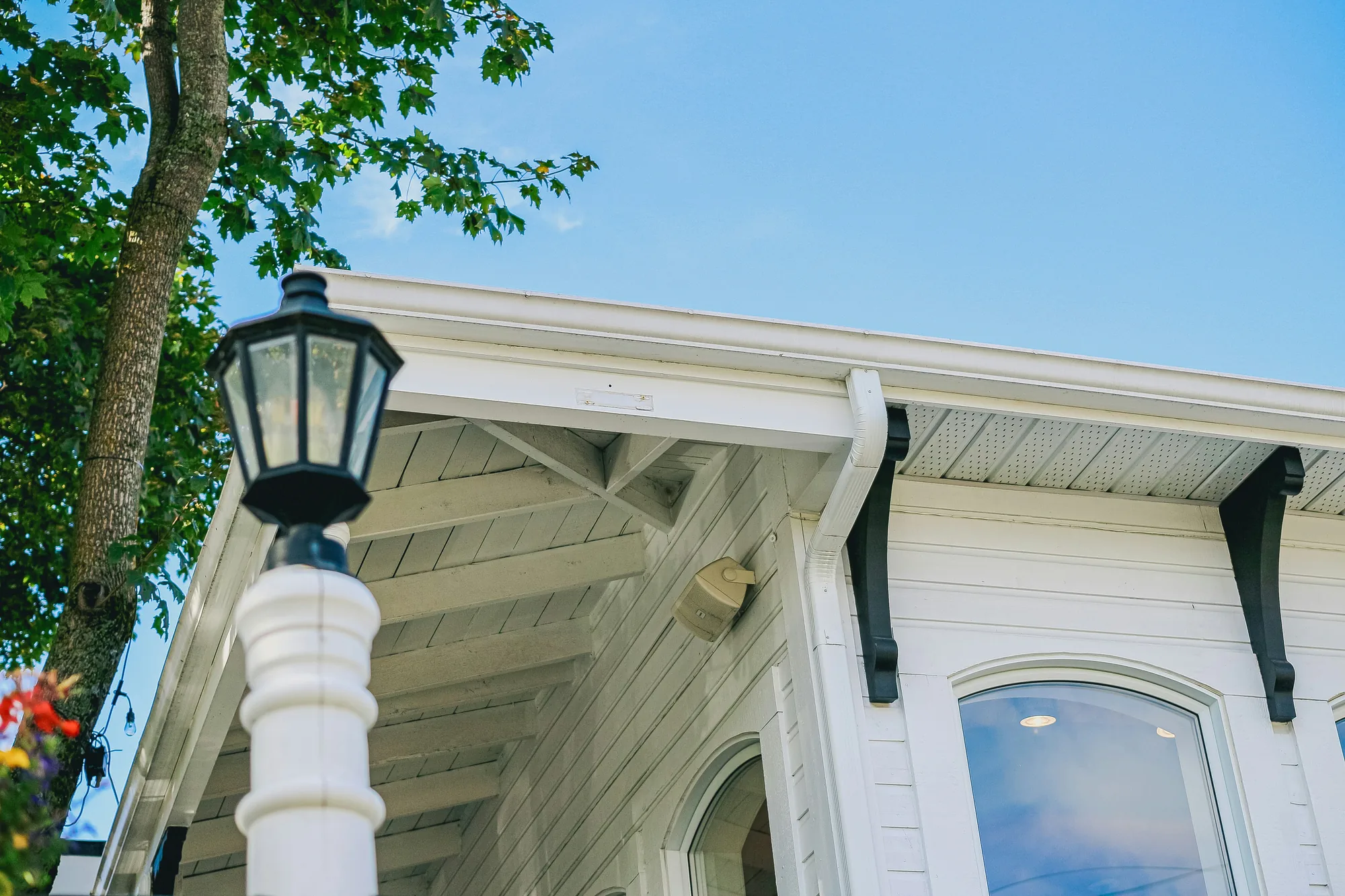
Lead-based paint was used inside and out, but certain surfaces turn up again and again in inspection and risk assessment reports.
Interior hot spots
- Window sashes, sills, stools and the window wells between the storm and the sash.
- Doors, door jambs and thresholds, especially where doors rub.
- Stair treads, risers, railings, newel posts and balusters.
- Baseboards, chair rails, picture rails and other trim.
- Kitchen and bathroom walls, which were often finished with durable gloss paint.
- Radiators, built-in cabinets and closet shelving.
Exterior hot spots
- Wood siding and clapboard, especially on the sunny, weathered sides of the house.
- Porch floors, columns, railings and steps.
- Fascia, soffits, eaves, rafter tails and decorative trim.
- Exterior doors, garage doors, fences and outbuildings.
Hidden layers
Fresh paint does not mean lead-free. Many older homes have lead layers under modern latex paint, under wallpaper, or under vinyl or aluminum siding installed decades ago. Those layers are harmless while undisturbed, but they come back into play when someone strips wallpaper, removes siding or replaces trim.
A related issue: lead in water
Lead can also come from plumbing, including older service lines and solder, which is a separate question from paint. If the home is in an older city neighborhood, ask the water utility whether the service line is lead, and consider a water test.
The Federal Lead Disclosure Rule for Buyers
For most housing built before 1978, the federal lead-based paint disclosure rule requires specific steps before a buyer is bound by a purchase contract. The rule applies across New York, alongside any state or local requirements.
What sellers must do
- Disclose any known lead-based paint and lead-based paint hazards in the home.
- Provide any available records or reports about lead in the home, such as past test results or abatement records.
- Give the buyer the EPA pamphlet Protect Your Family From Lead in Your Home.
- Include a Lead Warning Statement and signed disclosure in the contract.
- Give the buyer a 10-day opportunity to conduct a lead inspection or risk assessment at the buyer's expense, unless the parties agree in writing to a different period or the buyer waives it.
Real estate agents have a duty to make sure sellers are informed of these obligations. Landlords of pre-1978 housing have parallel duties to disclose and provide the pamphlet to tenants before a lease is signed.
What the rule does not require
The federal rule does not require sellers to test for lead, and it does not require them to remove lead paint. It is a disclosure rule. It also has limited exemptions, including certain housing for the elderly or people with disabilities where no child under six lives or is expected to live, zero-bedroom units, foreclosure sales and very short leases.
Do not waive the window casually
Buyers in competitive markets are sometimes pressured to waive the 10-day testing opportunity. If you have young children, are pregnant, or plan to renovate, think carefully before giving it up. Your attorney can usually negotiate a sensible testing period alongside the general inspection contingency.
What the Seller's Disclosure Does Not Tell You
A completed lead disclosure is a statement of what the seller knows. It is not a scientific assessment of the house. A seller who has never tested can truthfully check the box that says they have no knowledge of lead-based paint or hazards. That does not mean the house is lead-free. It usually means nobody has looked.
Questions to ask the seller and agent
- Has the home ever been tested for lead paint, dust or soil? Can we see the report?
- Has any abatement or interim control work been done, by whom, and is there clearance testing paperwork?
- Were windows replaced, and if so, were the old sashes and jambs removed or covered?
- Has a local health department ever issued an order or notice on the property?
- For a rental building, what lead records does the owner keep for each unit?
Paper trails are valuable
A past risk assessment, an abatement contractor's final report or a clearance dust-wipe result tells you far more than a blank disclosure. If records exist, have your inspector or a certified lead professional review them, since they may cover only some rooms or surfaces.
The lead form is separate from other disclosures
New York sellers also deal with the state Property Condition Disclosure Statement and other paperwork. The federal lead disclosure is its own document with its own rules. Our guide to disclosure requirements when selling a home in New York explains how the pieces fit together.
Home Inspection, Lead Inspection, or Risk Assessment?

Buyers often assume a home inspection includes a lead test. Usually it does not. A licensed New York home inspector evaluates the home's systems and visible condition and will typically note peeling, chipping or deteriorated paint, but confirming whether lead is present requires a different credential and different tools.
| Service | What it answers | How it works | Who performs it |
|---|---|---|---|
| Standard home inspection | What condition are the home's systems and surfaces in? | Visual; notes deteriorated paint but generally does not test for lead | NY-licensed home inspector |
| Lead-based paint inspection | Which painted surfaces contain lead? | Surface-by-surface testing, usually with a portable XRF analyzer, sometimes paint chip samples | Certified lead inspector or risk assessor |
| Lead risk assessment | Are there lead hazards right now, and what are the options? | Condition survey plus dust-wipe and soil samples sent to a lab, with a written report on hazards and controls | Certified lead risk assessor |
| Clearance testing | Is the area safe to reoccupy after lead work? | Visual check and dust-wipe samples after work is finished | Certified professional independent of the contractor |
An XRF analyzer reads lead content through paint layers without damaging the surface, which makes it practical in an occupied home during a sale. Many buyers combine an XRF inspection with a lead risk assessment, so they learn both where lead is and whether it is causing exposure now.
What about home test kits?
Store-bought swab kits can give a quick yes or no on some surfaces, but they can miss lead under newer layers and can give false readings. They are not a substitute for a certified inspection when you are making a purchase decision.
Testing for Lead Paint in Pre-1978 Homes During Your Contract
Testing for lead paint in pre-1978 homes during a purchase is mostly a scheduling exercise. The federal 10-day window goes quickly, so plan it on the day your offer is accepted.
- Decide on scope. If you have young children or plan to renovate, a combined lead inspection and risk assessment usually makes the most sense. If not, a risk assessment focused on hazards may be enough.
- Book early. Arrange the general home inspection and the lead work for the same week so results arrive together.
- Coordinate access. The seller or agent needs to allow access to every room, the basement, porches and the exterior.
- Expect lab time. XRF readings are available on site, but dust and soil samples go to a laboratory and add a few days.
- Read the report with your attorney. Findings feed directly into the repair negotiation or a request for a credit.
- Extend in writing if needed. If results are delayed, ask your attorney to extend the period before it runs out.
Many buyers start by booking the general inspection, then add certified lead testing for the specific concerns that inspection raises. If you request a free home inspection quote through Inspecverse, mention that the house was built before 1978 and that you want painted surfaces noted. If a local inspector follows up, ask whether they hold lead certification or can point you to someone who does.
Testing an occupied home
When the seller still lives there, furniture and stored items can limit access to some surfaces. The report should list anything not tested. If key areas such as windows or porches could not be reached, discuss a follow-up visit or a negotiated allowance.
Reading the Results Without Overreacting

A positive result does not make a house unlivable or a deal unworkable. It gives you facts to plan and negotiate around.
Lead-based paint inspection results
The report lists tested surfaces, room by room, and whether each was positive or negative for lead-based paint. Expect positives on older windows, doors, trim and porches. A long list of positives on intact, painted-over walls may matter far less than a few positives on windows that grind every time they open.
Risk assessment results
A risk assessment identifies hazards: deteriorated lead paint, dust lead above federal hazard standards on floors or sills, and bare soil above soil standards. It then recommends controls. This is the part that tells you what actually needs attention, and how urgently.
Weigh the findings against your situation
- Will a child under six live in or regularly visit the home?
- Is anyone in the household pregnant or planning a pregnancy?
- Are the positive surfaces intact, or peeling and producing dust?
- Do you plan to renovate the affected areas anyway, such as replacing windows?
- Is bare soil near the house in a play area or garden?
Intact lead paint in low-traffic areas often just needs good maintenance and monitoring. Hazards on friction surfaces, deteriorated paint and contaminated soil in play areas call for action before or soon after moving in. Our guide to negotiating repairs after a home inspection in New York covers how to turn findings into a credit or repair agreement.
Interim Controls, Abatement, and What Drives Cost
There are two broad ways to deal with hazards from lead paint in pre-1978 homes, and most real-world plans mix them.
Interim controls
Interim controls reduce exposure without permanently removing the lead. Examples include stabilizing and repainting deteriorated surfaces using lead-safe methods, reducing friction on windows with channel liners or adjustments, making floors and sills smooth and cleanable, specialized cleaning with HEPA vacuums and wet wiping, and covering bare soil with mulch, grass or pavers. They are faster and less expensive but need ongoing monitoring, because friction and weather can wear them down.
Abatement
Abatement is designed to permanently eliminate lead hazards. Methods include replacing components such as windows and doors, enclosing surfaces behind new materials, encapsulating with specialty coatings, or removing paint using approved techniques. Abatement is more thorough and more expensive, and it must be done by properly certified workers with clearance testing at the end.
What drives the price
- The number of rooms and surfaces involved, and whether windows are part of the scope.
- Interior versus exterior work, and the height and access of exterior surfaces.
- Whether the home is occupied and contents must be moved or protected.
- Containment, cleanup, waste handling and clearance testing requirements.
- Local labor rates, which differ widely between New York City and smaller upstate markets.
Rather than relying on general figures, get written, itemized estimates for both interim controls and abatement based on the actual report. Those numbers, not the mere presence of lead, are what belong in your negotiation. Window replacement often ends up being the largest single line, and it may be something you wanted for energy reasons anyway.
Renovating Safely: The EPA Renovation, Repair and Painting Rule

Many buyers of older homes plan to renovate, and renovation is where lead exposure most often happens. Dry sanding, scraping or demolishing painted surfaces can turn a low-risk situation into a dust hazard in an afternoon.
Who the rule covers
The EPA's Renovation, Repair and Painting (RRP) Rule applies to contractors, property managers and landlords who are paid to do work that disturbs painted surfaces in pre-1978 housing and child-occupied facilities. Covered firms must be EPA-certified, use trained certified renovators, follow lead-safe work practices, and give occupants the Renovate Right pamphlet before work begins.
When it applies
- Interior work disturbing more than six square feet of painted surface per room.
- Exterior work disturbing more than twenty square feet.
- Any window replacement and any demolition of painted components, regardless of size.
Practices that are prohibited
- Open-flame burning or torching of painted surfaces.
- Power sanding, grinding, planing or blasting without HEPA-equipped shrouds.
- Heat guns operating at very high temperatures.
What to ask a contractor
Ask for the firm's EPA certification and the certified renovator's name, how they will contain and clean the work area, and how they will verify cleanup. A contractor who seems unfamiliar with the rule is a warning sign. Homeowners doing their own work on a home they live in are not covered by the rule, but the same practices protect your family: contain the area, mist surfaces before scraping, never dry sand, and clean with a HEPA vacuum and wet wipes.
Rental Properties, NYC Local Law 1, and Upstate Programs
If you are buying a two-family home to rent out half, a small multifamily building or a mixed-use property, lead obligations go beyond the purchase disclosure.
Federal rules for landlords
Landlords of pre-1978 housing must disclose known lead paint and hazards, provide records and the EPA pamphlet, and include a lead warning in the lease. Paid repairs and renovations by landlords fall under the RRP Rule.
New York City
New York City's Local Law 1 of 2004 is among the most detailed lead laws in the country. In covered rental buildings, generally those built before 1960, or between 1960 and 1978 where the owner knows lead paint is present, owners must presume paint is lead-based unless testing shows otherwise. They must send annual notices to learn whether a child under six lives in each apartment, a definition that now includes a child who routinely spends ten or more hours a week there, inspect those apartments and common areas for hazards, use safe work practices, and complete specific work when apartments turn over. Amendments have added requirements for testing painted surfaces in covered apartments. The Department of Housing Preservation and Development enforces the law.
Elsewhere in New York
Outside the city, county health departments respond when a child is found to have an elevated blood lead level, and some cities run their own programs. Rochester, for example, checks for lead hazards as part of its rental housing inspections. If you are buying rental property anywhere in the state, ask the seller for lead records and ask your attorney which local requirements apply.
Mistakes Buyers and Owners Make
- Reading a blank disclosure as a clean bill of health. It usually means no one tested.
- Assuming fresh paint solved the problem. New coats often cover lead layers without addressing friction surfaces.
- Waiving the 10-day testing window under pressure when young children will live in the home.
- Relying on a home test kit for a purchase decision.
- Dry sanding, scraping or power washing old exterior paint without containment, which spreads chips and dust into the soil and the neighbor's yard.
- Hiring a contractor for window replacement or demolition who is not RRP certified.
- Treating interim controls as permanent. Painted window channels and porch floors need checking and touch-ups over time.
- Forgetting the yard. Bare soil next to a weathered house can carry as much concern as the interior.
- Overreacting and walking away from a good house over intact, well-maintained lead paint that a modest plan would manage.
The common thread is simple: get real information, match the response to the actual hazard and your household, and keep renovation from becoming the source of exposure.
How Inspecverse Can Help
Inspecverse is a free New York directory that helps people find local home inspectors. We do not perform inspections or lead testing, and we do not employ inspectors. When you submit a request, we review it manually and route it to a local NACHI-listed home inspector in your area, who may contact you to discuss the job.
Getting the most from your request
- Tell us the year the home was built, or that it predates 1978.
- Mention whether children under six will live in the home and whether you plan to renovate.
- Share your contract deadlines, including the lead testing window.
- Ask the inspector who contacts you whether they offer certified lead inspection or risk assessment services, or can recommend a certified professional who does.
Questions to ask before you hire
Ask for the inspector's New York license number, which must appear on their reports and advertising, and confirm it with the Department of State. NACHI membership is a voluntary credential and not the same as an active New York license. For lead work specifically, ask to see the lead certification of whoever will perform the testing.
Older New York homes are full of character, and lead paint is a manageable part of owning one. Submit a free inspection request and start your due diligence on lead paint in pre-1978 homes with facts rather than guesswork.
Frequently Asked Questions
Does every home built before 1978 have lead paint?
Does a home inspection test for lead paint?
How long do I have to test for lead when buying a home?
Is it safe to buy a house with lead paint if I have young children?
Can I remove lead paint myself?
What is the difference between a lead inspection and a risk assessment?
Next step
Ready to get a New York inspector on your property?
Inspecverse is a free referral directory. Send one short request and we will review it and route it to a local NACHI-listed inspector who serves your area. There is no cost and no obligation to hire.
-
1
Tell us about the property
Address area, property type, and the inspection you need.
-
2
We review your request
A person reads every request and picks a local NACHI-listed inspector.
-
3
The inspector may reach out
You discuss scope, timing, and price with them directly.
Inspecverse does not perform inspections, employ inspectors, or verify licenses. Before hiring, confirm the inspector holds an active New York home inspector license with the NYS Department of State.

