
Mid-Hudson · Dutchess County
Local Home Inspectors Serving Poughkeepsie, NY
Compare the NACHI-certified inspectors listed for Poughkeepsie, learn what New York requires of them, and request a free quote when you are ready. Whether you searched for Home Inspection Poughkeepsie NY or simply need a qualified inspector near you, you are in the right place.
- Inspectors listed
- 4
- County
- Dutchess
- To request
- Free
Poughkeepsie sits on the east bank of the Hudson River, almost exactly midway between New York City and Albany, and it has spent more than two centuries as a real working city rather than a bedroom suburb that sprang up around a commute. That history shows up directly in its housing stock. A buyer looking at property here isn't choosing between a handful of similar floor plans from the same decade — they're choosing between a Victorian-era house in the historic core, a 1920s foursquare a few blocks over, a mid-century ranch in a postwar subdivision in the surrounding town, and the occasional brand-new build on what used to be open land at the edges. Each of those comes with its own inspection priorities, and a generic checklist written for "New York State" in general tends to miss the specifics that actually matter here.
This page exists to give Poughkeepsie buyers and sellers a grounded, locally specific starting point before they hire anyone — what the housing stock here actually looks like, what inspectors commonly find given that stock, which add-on tests are genuinely relevant to this area (radon is a real consideration in the Hudson Valley; well and septic inspections matter for some properties here and not at all for others, depending on which side of the city/town line you're on), and how New York's inspector licensing system is supposed to protect you as a buyer.
Four NACHI-certified home inspectors are listed as serving Poughkeepsie directly, which is enough real listed density that this city gets its own dedicated page rather than being folded into the broader Dutchess County directory the way smaller towns in the county are. This page is informational only — it does not list individual inspector names, phone numbers, or contact details. When you're ready for a quote, use the request form on this page; we review each request and route it to an inspector from that local Poughkeepsie-serving pool, who may then contact you.
What We Do: Connecting Poughkeepsie Property Owners With Local Inspectors
Inspecverse is a New York inspection directory and referral service. When you need a local home inspection in Poughkeepsie, you fill out one short request with the property type, address and timing, and we review it and route it to a NACHI-certified inspector who lists Poughkeepsie in their service area. The inspector, not Inspecverse, performs the inspection and writes the report.
That keeps the first step simple for buyers, sellers and owners in Poughkeepsie, NY: no cold-calling a list of strangers, no guessing who actually drives to your street, and no cost to submit a request. Right now 4 NACHI-certified inspectors are listed for Poughkeepsie on this page.
- Residential: single-family houses, condos, co-ops, townhomes and small multi-family buildings.
- Commercial: offices, retail, mixed-use, light industrial and investment property.
- Add-on testing you can ask about: radon, well water, septic and wood-destroying insects.
What Makes This Directory Different in Mid-Hudson
Most inspection directories are national. Ours covers New York State only, Mid-Hudson included, and every location page is written around local housing and New York's inspection rules rather than recycled boilerplate.
We also say plainly what we are: a referral directory. We do not claim to license, insure or guarantee inspectors. New York's Department of State licenses home inspectors under Article 12-B of the Real Property Law, and this page shows you how to confirm a license yourself before you book a local home inspection in Poughkeepsie.
Directory
Home Inspectors Serving Poughkeepsie
4 NACHI-certified inspectors
John Heard
NIA Home Inspections LLC
Certified Professional Inspector®
Darrell Honkala
VERIFY Home Inspection, LLC - Certified Master Inspector; NRPP Radon Measurement Certified; NYS Mold Assessor; Septic / Sewer Scopes; NYS DEC TERMITE 7C Licensed & More.
Certified Professional Inspector®
Robert Johnson
Optima Home Inspections Inc.
Certified Professional Inspector®
Arolfo De La Cruz
Worthex Pro Inspections LLC
Certified Professional Inspector®
Contact details stay private. Send one request and we route it to an inspector who serves Poughkeepsie.
Request a QuoteWhy Choose Inspecverse for a Home Inspection in Poughkeepsie?
Buyers and owners in Poughkeepsie, NY have plenty of ways to find an inspector. Here is why many start with us:
- Local by design. Requests for Poughkeepsie go to inspectors who list this area, not to a national call center.
- One form, both tracks. Residential and commercial requests use the same short form, and you only answer the questions that apply to your property.
- Credentials up front. Inspectors on this page are shown by name and InterNACHI credential, so you can see who serves Poughkeepsie before you ask for a quote.
- Free, no obligation. Submitting a request costs nothing and does not commit you to hiring anyone.
- Plain-English New York guidance. We explain how New York licensing works so you can check any inspector yourself.
Ready when you are: request a free quote.
Inside a Standard Poughkeepsie Home Inspection
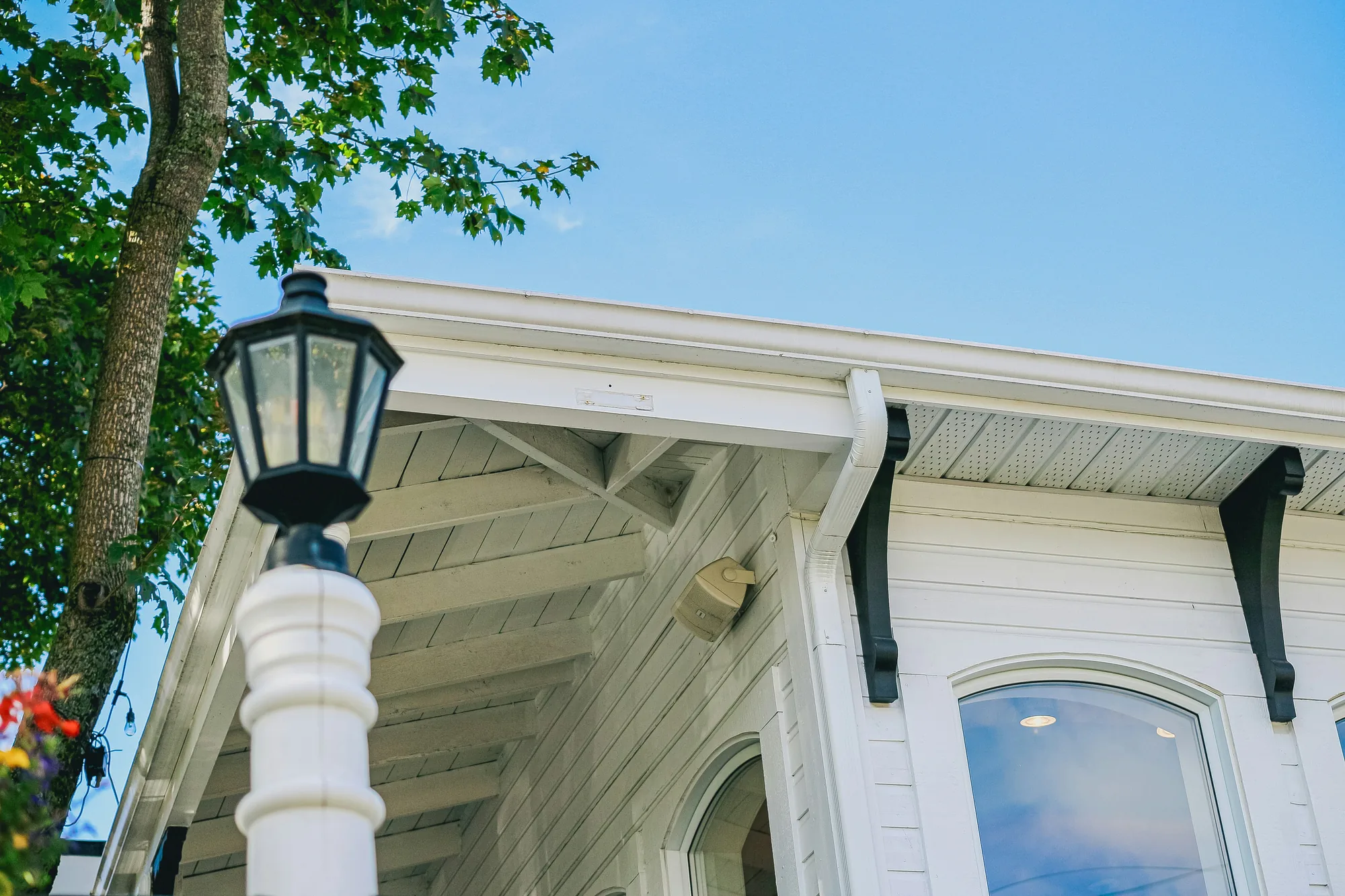
A typical local home inspection in Poughkeepsie follows the house from the ground up: the foundation and basement, the structure and exterior, the roof, then the mechanical systems (plumbing, electrical, heating and cooling) and finally the interior, attic and insulation.
The inspection is visual and limited to what is readily accessible. If the inspector sees something that needs a closer look, such as a chimney liner, a sewer line or a structural crack, the report will usually recommend a specialist rather than guess.
Pricing Your Poughkeepsie Inspection: What Moves the Number
Quotes for a home inspection in Poughkeepsie, NY vary with square footage, age, the number of units and any add-on testing you request. A century-old house with a full basement and a detached garage will take longer than a newer condo, and that shows up in the quote.
Ask each inspector exactly what their quote includes. A slightly higher price that includes radon testing or a sewer scope may be better value than a bare-bones inspection.
What to Consider Before You Book a Home Inspection in Poughkeepsie
- An active New York license. Home inspectors in New York must be licensed by the Department of State under Article 12-B of the Real Property Law. Ask for the license number and look it up before the inspection.
- Liability insurance. New York requires licensed home inspectors to carry general liability insurance of at least $150,000 per occurrence and $500,000 in the aggregate. Ask for the certificate.
- A sample report. A good report is organized, photo-documented and clear about what is a safety issue, what needs repair and what is routine maintenance.
- Scope and add-ons. Radon, well water, septic and wood-destroying insect checks are often separate services. Mold assessment in New York requires a separate Mold Assessor license.
- Timing. Line up your home inspection in Poughkeepsie, NY early in your contingency window so there is time to bring in a specialist if the inspector recommends one.
Need a home inspection near Poughkeepsie?
Residential or commercial. Free to request, no obligation.
Licensing and Insurance: Protecting Your Poughkeepsie Purchase
A New York license is the baseline, not a bonus. Home inspectors here are licensed by the Department of State under Article 12-B, and they must carry the state's required general liability coverage ($150,000 per occurrence, $500,000 aggregate). InterNACHI certification, shown next to each inspector on this page, is a professional credential on top of that.
We do not verify licenses on your behalf, so checking is quick and worth it: ask the inspector for the number and look it up before the inspection.
Local Factors for Inspections in Poughkeepsie
The Hudson Valley mixes village homes, older farmhouses and newer subdivisions. Outside village water and sewer systems, many homes rely on private wells and septic systems, so well water testing and septic evaluation are common add-ons to a home inspection in Poughkeepsie, NY.
Older stone and block foundations, wet basements after heavy rain, and radon testing (commonly run for at least 48 hours) are other frequent topics. Ask your inspector which of these apply to your property.
Home Inspection Near Poughkeepsie: Where Our Inspectors Work
Looking for a home inspection near Poughkeepsie? Poughkeepsie sits in Dutchess County, part of the Mid-Hudson region. Requests from the surrounding towns in Dutchess County are welcome too.
Send your request with the property address and we will route it to an inspector who covers that exact location. Right now 4 NACHI-certified inspectors are listed for Poughkeepsie on this page.
Getting the Most From Your Inspection Near Poughkeepsie
If you are the buyer, ask your agent to confirm access with the sellers and to make sure utilities are on. If you are the seller, clear the way to the attic, basement, panel and mechanical equipment.
Attend if you can. Seeing an issue in person, with the inspector explaining it, makes the report much easier to understand when you sit down to decide next steps after your home inspection in Poughkeepsie, NY.
Commercial Property Inspection in Poughkeepsie
Inspecverse also routes requests for a commercial property inspection in Poughkeepsie: offices, retail, mixed-use, light industrial and multi-family buildings. Commercial inspections usually focus on the roof, structure, building envelope, mechanical, electrical and plumbing systems, parking and site drainage, and life-safety items, with the scope agreed in advance.
Choose the commercial track on the form, tell us the building type and size, and we will send it to an inspector who handles commercial work in Mid-Hudson.
Local guide
The Poughkeepsie Home Inspection Guide
Housing, climate, systems and New York rules that shape a home inspection in Poughkeepsie, written for buyers and sellers.
Poughkeepsie's Housing Stock: A City Built in Layers
Poughkeepsie didn't grow in one architectural burst the way a lot of newer Hudson Valley communities did. It grew in layers, decade after decade, as a genuine river city with its own industrial and commercial base — whaling and shipping in its earliest era, then manufacturing and rail through the 19th and into the 20th century, with institutions like Vassar College anchoring part of the city's identity along the way. Each layer left behind a distinct type of housing, and in most neighborhoods those layers sit right next to each other rather than being separated into tidy, single-era subdivisions.
For a home inspector, and for a buyer trying to understand what they're walking into, that layering is the single most important fact about Poughkeepsie's housing stock. The question "what should I expect to find in this house" has a very different answer depending on which decade the structure actually dates to, and in this city, you genuinely cannot assume based on the neighborhood alone — you have to look at the specific house.
The Historic Core: 19th-Century and Early 20th-Century Homes
The oldest and architecturally richest part of Poughkeepsie's housing stock sits in and around the city's historic districts, where Victorian-era single-family homes, rowhouses, and larger period mansions reflect the city's wealthier 19th-century merchant and industrial class. These homes tend to have higher ceilings, more elaborate original woodwork and masonry detailing, and construction methods — balloon framing, original slate or early asphalt roofing, masonry foundations — that are simply not used in anything built today.
Buying in this part of the housing stock means buying a piece of real architectural history, but it also means an inspection needs to pay close attention to things that don't exist in newer construction at all: original wiring remnants, older plumbing material, masonry foundation condition, and roof systems that may have been replaced multiple times over a century-plus of use, each replacement potentially done to a different standard.
Early-to-Mid 20th Century Foursquares and Bungalows
A large share of Poughkeepsie's housing dates to the first half of the 20th century, when the city's population and manufacturing base were still growing. This era produced a lot of the classic American foursquare and bungalow-style houses that fill in many of the city's residential streets — solid, straightforward homes built for a growing working and middle class, generally smaller and less ornate than the Victorian-era homes but often built with genuinely good bones.
These homes are old enough to have gone through at least one, and often several, rounds of system updates — electrical service upgrades, plumbing repairs or partial re-piping, roof replacements — and the inspection story here is really about verifying which systems were actually updated versus which ones are original and simply haven't failed yet.
Mid-Century and Postwar Construction
As Poughkeepsie's population grew through the mid-20th century, development increasingly shifted outward, especially into the surrounding Town of Poughkeepsie, producing the ranch-style and colonial-style homes that are common across a lot of the area today. These homes are generally simpler to inspect than the historic core's older housing, since their systems are more standardized and typically closer to modern code even when original, but they're now old enough that major components — roofing, HVAC, water heaters — are frequently at or past the end of a normal service life depending on maintenance history.
Neighborhood Character: The Riverfront, the Hill, and Beyond
Poughkeepsie isn't architecturally uniform within the historic core either — different sections of the city carry noticeably different character, shaped by elevation, proximity to the Hudson, and which era of development reached them first. Buyers often have a specific feel in mind (walkable and historic, river-adjacent, quieter residential) without realizing how much that preference maps onto genuinely different housing types once they start comparing listings.
The area closest to the Hudson River and the city's downtown core has seen real revitalization in recent decades, partly spurred by landmarks like the Walkway Over the Hudson — a converted historic rail bridge turned pedestrian park that draws attention and investment to the immediate riverfront district. Properties here skew toward the oldest, densest housing stock, including converted multi-family buildings, and renovation quality varies considerably from one building to the next depending on when and how thoroughly a given property was updated.
Moving away from the river and up in elevation, residential character shifts toward quieter streets of single-family homes from the early-to-mid 20th century, and further out still, into the surrounding Town of Poughkeepsie, toward the more conventional suburban subdivisions built from the postwar period onward. None of these sections is inherently better than another — they simply come with different trade-offs, and a buyer's inspection priorities should shift accordingly depending on which type of area and housing they're actually targeting.
Why This Matters When Comparing Listings
Two listings both labeled "Poughkeepsie" can represent genuinely different buying propositions — one a century-old riverfront rowhouse mid-renovation, the other a 1960s ranch on a quarter-acre lot several miles inland. It's worth being explicit with your real estate agent and your inspector about which type of property and area you're actually evaluating, since the inspection approach, likely findings, and even add-on service needs can differ meaningfully between them even at a similar price point.
City of Poughkeepsie vs. Town of Poughkeepsie: Why the Distinction Matters
One detail trips up more out-of-area buyers than almost anything else: the City of Poughkeepsie and the Town of Poughkeepsie are two separate municipalities, not one city with an informal "downtown" and "suburbs." They have different governments, different zoning, and — most relevant for inspection purposes — meaningfully different housing stock and infrastructure patterns. A property search that simply says "Poughkeepsie" can land you in either one, and the inspection priorities genuinely differ between them.
The City of Poughkeepsie is the older, denser core: the historic districts, the downtown waterfront area near the Hudson, and the walkable residential streets built up over more than a century. Properties here are generally connected to municipal water and sewer service, which removes well and septic concerns from the inspection conversation entirely in most cases, but adds in the age-related concerns that come with older urban housing stock.
The surrounding Town of Poughkeepsie, by contrast, developed largely in the postwar era and later, with more conventional suburban subdivisions, larger lots, and — importantly — a real population of homes on private well water and septic systems, particularly in its less densely developed sections. If you're comparing a listing in one versus the other, it's worth confirming early which municipality it actually sits in, because that single fact changes what questions your inspector needs to be asking.
How to Tell Which One a Listing Is In
Real estate listings don't always make the city/town distinction obvious at a glance, since both commonly get marketed simply as "Poughkeepsie." The most reliable way to confirm it is to check the property's tax parcel information or ask your real estate agent directly, since the municipality determines not just water and sewer service but also the specific building and zoning authority that governed any past renovations or additions — information your inspector and any permit research will need.
What Home Inspections in Poughkeepsie Commonly Find
Because Poughkeepsie's housing spans such a wide range of construction eras, there's no single "most common defect" that applies city-wide the way there might be in a community built almost entirely in one decade. Instead, the patterns inspectors see here cluster by era of construction, and understanding which pattern applies to a given property is genuinely useful preparation before an inspection even happens.
Findings in Older, Historic-Core Homes
In the city's oldest housing stock, inspectors commonly flag a cluster of age-related issues: electrical systems that have been partially but not fully updated (meaning some original wiring may still be present behind walls even where a panel has been modernized), masonry foundation wear that needs distinguishing from active structural movement, roof and flashing issues on homes where multiple past re-roofing jobs may have been done to varying standards, and signs of past basement moisture intrusion, since many of these foundations predate the waterproofing and drainage standards used in newer construction.
None of this means an older home is automatically a bad buy — plenty of these houses have been carefully maintained or thoughtfully renovated — but it does mean the inspection needs to look closely rather than assume good condition just because a house "looks" fine cosmetically.
Findings in Mid-Century and Later Homes
In the more suburban, mid-century-and-later housing common in the Town of Poughkeepsie and comparable areas, inspection findings skew more toward mechanical systems reaching the end of a normal service life: aging HVAC equipment, water heaters approaching or past typical replacement age, and attic insulation or ventilation that may fall short of current energy-efficiency expectations even when the rest of the home is in solid shape. These are generally more straightforward and less costly issues to address than structural or foundational concerns, but they still matter for budgeting after purchase.
Findings That Show Up Across All Eras
A handful of issues aren't tied to any particular era and show up across Poughkeepsie's housing stock broadly: grading and drainage problems around foundations (relevant in a river-valley climate with real seasonal precipitation and snowmelt), deferred exterior maintenance such as peeling paint or worn trim, and — in homes old enough to have ever used it — the possibility of lead-based paint or, in rare cases, older plumbing materials that are no longer considered acceptable by modern standards. These are worth asking about regardless of which decade a specific house was built in.
New York State Home Inspector Licensing: What It Means for You
New York is one of the states that requires home inspectors to be licensed, and understanding roughly how that system works helps you evaluate who you're hiring rather than just taking a company's marketing at face value.
The state's Department of State oversees home inspector licensing, which generally involves completing approved pre-license education, passing a written licensing examination, and then maintaining the license through ongoing continuing education requirements. This creates a legal floor — a baseline every practicing inspector in New York has to clear — but it's a floor, not a ceiling, and the gap between a newly licensed inspector and one with a decade of full-time field experience can be substantial even though both are equally "licensed."
State License vs. Professional Certification
On top of the state license, many serious inspectors also pursue a professional certification through an organization like NACHI (InterNACHI), which is a separate, voluntary credential layered on top of the legal minimum. A NACHI certification typically involves its own additional training requirements, adherence to a published code of ethics, and a defined standard of practice that the inspector agrees to follow — essentially a second, more detailed layer of accountability beyond what state law strictly requires.
When you're comparing inspectors in Poughkeepsie, confirming both an active New York State license and a current professional certification is one of the simplest ways to filter for inspectors who treat this as a serious full-time profession rather than occasional side work.
What the License Doesn't Guarantee
A valid license confirms that an inspector has met New York's legal requirements to practice — it does not independently confirm years of experience, familiarity with a specific type of housing stock, or communication skills that make a report genuinely useful to a buyer. Those qualities come through separately: references, sample reports, how many years someone has actually been inspecting homes, and whether they're comfortable explaining findings in plain language rather than only technical jargon.
How to Choose a Home Inspector in Poughkeepsie
Given how much Poughkeepsie's housing stock varies block by block, the single most useful question to ask a prospective inspector isn't generic — it's whether they have real, specific experience with the type of home you're buying.
Ask About Experience With the Specific Era of Home
An inspector who spends most of their time in newer suburban construction may not be the strongest fit for a 19th-century historic-district house with original masonry and decades of layered renovations, and vice versa. It's entirely reasonable to ask directly: "How often do you inspect homes from this era, in this part of Poughkeepsie?" A confident, specific answer is a good sign; a vague one is worth noting.
Confirm Licensing and Certification Status Directly
Don't just take a company's website at its word — ask for the inspector's New York State license number and, if they claim a NACHI or other professional certification, their certification ID. Both of these can be independently checked, and a legitimate, confident inspector will have no hesitation providing them.
Read a Sample Report Before You Hire
The actual inspection report is the deliverable you're paying for, and report quality varies enormously between inspectors even when both are equally licensed. Ask to see a redacted sample report before booking. A strong report is organized, includes clear photos tied to specific findings, and explains defects in language a non-expert buyer can actually act on — not just a checklist of pass/fail boxes.
Compare More Than One Quote
Because Poughkeepsie has real local density — four NACHI-certified inspectors serving the city directly — buyers here actually have a meaningful basis for comparison, unlike in smaller towns in the county where there may only be one or two options at all. Getting quotes from more than one inspector, and comparing not just price but scope of what's included, is genuinely worth the small amount of extra time it takes.
What a Home Inspection Costs in Poughkeepsie
Home inspection pricing in the Poughkeepsie area, as in most of New York, is shaped primarily by the size, age, and complexity of the specific property rather than by a flat citywide rate. A straightforward, moderately sized single-family home will generally cost less to inspect than a large, century-old house in the historic core with a more complex layout, an older foundation, and additional outbuildings or systems to document.
Add-on services are typically priced separately from the base inspection and quoted alongside it, which means your final number depends on which of those add-ons are actually relevant to the specific property you're buying — a topic covered in detail in the sections below on radon, well and septic, and wood-destroying insect inspections.
What Drives the Price Up or Down
Square footage and the number of distinct systems (multiple HVAC zones, multiple water heaters in a converted multi-family property, detached garages or outbuildings) are the biggest cost drivers beyond the base rate. Age plays a role too, less because older homes cost more to inspect in a strict mechanical sense, and more because they typically take longer to inspect carefully given more complex original construction and more accumulated history of repairs and renovations to account for.
Why Comparing Scope and Price Matters Here Specifically
Because Poughkeepsie has four inspectors listed as serving the city, comparing experience, scope, and price is genuinely possible here in a way it isn't in every New York community. Whatever quote you receive, look past the bottom-line number to exactly what's included in the base inspection versus billed as an add-on.
Radon Testing in the Hudson Valley
Radon is a naturally occurring, colorless, odorless gas that comes up through soil and bedrock and can accumulate indoors, particularly in basements and lower levels of a home. It has no smell and no visible symptom, which means a homeowner or buyer has genuinely no way to know whether a given property has elevated levels without a specific test.
Poughkeepsie sits within the broader Hudson Valley region, and the Hudson Valley is an area of New York where radon testing is routinely recommended as part of a standard home-buying process, due to underlying geological conditions that are common across the region rather than specific to any single town. That doesn't mean every home in the area has an elevated radon level — plenty don't — but it does mean the only responsible approach is to test rather than guess.
How Radon Testing Actually Works
A short-term radon test is typically a sealed, continuous measurement taken over a period commonly at least 48 hours, depending on the device and protocol used — whether a passive test kit or a continuous electronic monitor — usually placed in the lowest regularly occupied level of the home. This runs in parallel with, but on its own separate timeline from, the general home inspection walkthrough, since the test needs to sit undisturbed for its full duration to produce a reliable reading.
What Happens If a Test Comes Back Elevated
An elevated radon reading is not a reason to walk away from an otherwise good property. Radon mitigation systems — generally a vent pipe and fan system that redirects soil gas away from the living space — are a well-established, routine remediation and are commonly negotiated into a purchase agreement as a seller-paid item or a credit at closing, much like any other inspection finding.
Well Water and Septic Systems: When They Apply in Poughkeepsie
This is one of the areas where the City of Poughkeepsie vs. Town of Poughkeepsie distinction covered earlier becomes directly practical rather than just a geography note. Whether well and septic inspections are relevant to a given property depends heavily on exactly where that property sits.
Properties on Municipal Water and Sewer
Homes within the City of Poughkeepsie's denser, historic core are generally connected to municipal water and sewer service, which means well flow testing, water quality testing, and septic evaluation typically aren't relevant line items for those properties. The inspection focus for municipally served homes shifts instead toward the interior plumbing system's own condition and age, rather than the water source itself.
Properties on Private Well and Septic
Properties in the surrounding Town of Poughkeepsie and in more rural parts of Dutchess County are more likely to rely on private wells and septic systems, particularly outside the most densely developed sections. For these properties, a dedicated well flow test, a water quality test (checking for bacteria and common contaminants), and a septic system evaluation are worth treating as close to essential rather than optional, since problems with either system can be expensive to discover only after closing.
How to Find Out Which Applies to a Specific Property
If it isn't obvious from the listing itself, your real estate agent or the seller should be able to confirm water and sewer service type directly, and county or municipal records can confirm it independently. This is worth settling before you schedule an inspection, since it determines which add-on services to request in the first place.
Wood-Destroying Insect Inspections
A wood-destroying insect inspection — sometimes called a WDI or termite inspection — checks specifically for evidence of termites, carpenter ants, and other wood-boring pests, along with any existing damage they may have caused. This is typically a separate, specialized inspection from the general home inspection, often performed by a licensed pest control professional rather than the general home inspector, though some inspectors are certified to perform both.
Given the age of a lot of Poughkeepsie's housing stock, and the amount of original or long-standing wood framing present in many of these homes, a WDI inspection is a reasonable standard add-on for most purchases here, and may be required outright by some mortgage lenders as a condition of financing — the VA, for example, requires it for financing in Dutchess County — so confirm with your lender rather than assuming it applies to every loan.
Why This Matters More in Older Construction
Homes with original wood framing that has been in place for a century or more have simply had more time and more opportunity for past or present insect activity than a home built in the last few decades. That doesn't mean older Poughkeepsie homes are more likely to have an active infestation at any given moment, but it does mean a careful inspection matters more, since any past damage needs to be identified and distinguished from cosmetic wear.
Inspecting New Construction in the Poughkeepsie Area
New construction exists in and around Poughkeepsie, generally on infill lots within the city or in newer development on the edges of the surrounding town, and buyers sometimes assume a brand-new home doesn't need a full independent inspection since it's already passed municipal building inspections during construction. That assumption is a mistake worth avoiding.
A municipal building inspection confirms code compliance at specific stages of construction — it is not the same thing as an independent, buyer-focused home inspection conducted after the home is complete and systems are fully operational.
Why New Construction Still Needs an Independent Inspection
Construction defects and installation errors happen in new homes just as they do in older ones, and a municipal inspector's job is verifying code compliance at a point in time, not catching every workmanship issue a homeowner will actually live with. An independent inspection after substantial completion, and ideally again near the one-year builder warranty deadline, catches issues that can otherwise go unaddressed once the builder's crew has moved on to the next project.
The One-Year Warranty Inspection
Many new-construction purchases come with a one-year builder warranty, and scheduling a follow-up inspection as that warranty period approaches its end is one of the most commonly overlooked steps in the new-construction buying process. This inspection can catch issues — settling cracks, minor system problems, finish defects — that are still the builder's responsibility to fix if flagged before the warranty expires, but become the homeowner's problem afterward.

Mold and Moisture Inspections
Mold concerns in Poughkeepsie tend to track closely with a home's age, basement construction, and grading, rather than being evenly distributed across the housing stock. Older homes in the historic core, many with foundations built before modern waterproofing and drainage standards existed, are more likely to have experienced some degree of past basement moisture intrusion, which can create conditions for mold growth if not properly addressed.
When a Dedicated Mold Inspection Makes Sense
A general home inspection will typically flag visible evidence of past or present moisture intrusion, but it isn't the same as a dedicated mold assessment, which can include air or surface sampling and requires the provider to hold a separate, state-issued Mold Assessor license in New York, distinct from a standard home inspector's license. If a general inspection turns up signs of past water intrusion, musty odors, or visible staining in a basement or crawlspace, a follow-up specialized mold inspection is a reasonable next step before finalizing a purchase decision.
The Buying and Selling Timeline in Poughkeepsie
Understanding roughly where the inspection fits into a typical New York home purchase timeline helps buyers plan realistically, since inspection contingencies in New York purchase contracts are generally time-limited, and scheduling delays can create real pressure.
From Accepted Offer to Inspection
Once an offer is accepted, New York purchase contracts typically include an inspection contingency period — a defined window during which the buyer has the right to have the property inspected and, depending on findings, negotiate repairs, a credit, or in some cases withdraw from the contract. Scheduling an inspector promptly after an accepted offer is important, since this window is finite and add-on tests like radon require their own additional time to complete properly.
Why Scheduling Radon and Well Tests Early Matters
Because a radon test needs to run for a minimum period — commonly at least 48 hours, depending on the device and protocol used — and well water quality testing often involves lab processing time after the sample is drawn, these add-on tests need to be scheduled as early as possible within the inspection contingency window, not as an afterthought following the general walkthrough. Buyers who wait until after receiving the general inspection report to decide on add-ons sometimes find themselves short on time within their contingency period.
After the Inspection: Negotiation and Closing
Once inspection results are in hand, buyers and sellers typically negotiate over significant findings — through repair requests, a price adjustment, or a credit at closing — before moving toward a scheduled closing date. Sellers preparing to list a Poughkeepsie property sometimes choose to get a pre-listing inspection done in advance specifically to identify and address issues before they come up during a buyer's own inspection, which can smooth this negotiation phase considerably.
Why a Pre-Listing Inspection Can Help Poughkeepsie Sellers
Given how much variation exists in this housing stock by era, sellers of older Poughkeepsie homes in particular benefit from knowing what an inspector is likely to find before a buyer's inspector finds it first. A pre-listing inspection, paid for by the seller before the home goes on the market, surfaces issues early enough to either fix them or price the home with full knowledge of their presence.
How It Changes the Negotiation Dynamic
A seller who already knows about, and has either fixed or disclosed, a home's real issues is in a meaningfully stronger negotiating position than one who is caught off guard by a buyer's inspection report mid-contract. It also tends to reduce the chance of a deal falling apart over a surprise finding late in the process, since there are no surprises left to find.
Insurance Considerations Tied to Inspection Findings
Certain inspection findings can directly affect a buyer's ability to get affordable homeowners insurance, which makes some issues worth resolving before closing rather than after, purely from a financing and insurability standpoint.
Roof Age and Condition
Many homeowners insurance carriers in New York now ask directly about roof age and condition, and a roof nearing or past the end of its typical service life — common in both the historic core's older homes and some mid-century housing that hasn't been updated — can affect either insurability or premium pricing. This is one of the more common reasons a buyer negotiates a roof-related repair or credit rather than simply noting the issue and moving on.
Electrical Panel Type and Age
Certain older electrical panel brands and types, more likely to be found in homes that haven't had a full electrical update, are flagged by some insurers as higher risk and can occasionally complicate obtaining standard coverage. An inspection that identifies the panel type and age gives a buyer the chance to address this proactively rather than discovering it during the insurance application process after closing.
Flood and Water Proximity Considerations
Poughkeepsie's identity as a Hudson River city means some properties, particularly those closest to the waterfront, carry flood zone considerations that don't apply to housing further inland in the same city or surrounding town.
Checking Flood Zone Status Before You Inspect
Flood zone designation affects both insurance requirements and, in some cases, what an inspector specifically looks for regarding past water intrusion and foundation drainage. This status is public information tied to the specific parcel and is worth checking before scheduling an inspection, since it can shape which add-on services make sense for that particular property.
Multi-Family and Converted Properties in the Historic Core
A notable share of housing in the City of Poughkeepsie's older neighborhoods consists of large single-family homes that were converted into two- or multi-family properties at some point in the 20th century, reflecting the city's historical role as a denser industrial and commercial center with corresponding rental housing demand.
Why These Need a More Careful Inspection
A converted multi-family property typically has multiple sets of mechanical systems (sometimes original, sometimes added later to varying standards) layered into a structure that wasn't originally designed for that use, and the quality of that conversion work varies enormously from property to property. An inspection of a converted property needs to pay particular attention to how well-executed the conversion actually was, not just whether current systems function.
Energy Efficiency and Insulation in Older Homes
Hudson Valley winters are a real consideration for home comfort and operating cost, and Poughkeepsie's older housing stock, built well before modern energy codes existed, frequently has meaningfully less insulation than current construction standards would require.
What an Inspector Can and Can't Tell You About Efficiency
A standard home inspection can identify visible insulation gaps, obvious air sealing issues, and the general condition of heating equipment, but a full energy audit — which can include blower-door testing and more detailed analysis — is a separate, more specialized service. For a buyer specifically concerned about winter heating costs in an older home, requesting or scheduling a separate energy audit alongside the standard inspection is worth considering.
Questions to Ask Before You Even Schedule an Inspection
A short set of preparatory questions, asked before an inspector is even booked, can meaningfully improve the value of the inspection itself.
Questions About the Property Itself
Confirm which municipality the property sits in (City or Town of Poughkeepsie), what its water and sewer service type is, and its approximate year of construction and any known major renovation history. Having these answers before the inspection lets both you and the inspector focus attention where it matters most for that specific property.
Questions for the Inspector
Ask what's included in the base inspection fee versus billed separately, what their experience is with homes of this specific era and construction type, how long the on-site inspection is expected to take, and how quickly you'll receive the written report. Clear answers to all of these before booking prevent surprises later in a process that's already time-constrained.
Request a Free Quote From a Poughkeepsie-Area Inspector
With four NACHI-certified inspectors listed as serving Poughkeepsie, buyers here can weigh experience, pricing, and scope rather than defaulting to whichever name comes up first. Use the request form on this page to ask for a free, no-obligation quote: we review each request and route it to a local inspector serving Poughkeepsie, who may then contact you. Come prepared with the specifics covered above — which municipality the property sits in, its approximate age, and its water and sewer service type — so any quote you receive reflects what the property actually needs.
Home Inspection in Poughkeepsie: FAQ
How do I get a home inspection near Poughkeepsie, NY?
Send a free request through Inspecverse with your property address, property type and timing. We review it and route it to a NACHI-certified inspector who serves Poughkeepsie, who may then contact you with a quote. Right now 4 NACHI-certified inspectors are listed for Poughkeepsie on this page.
Does Inspecverse perform the inspection itself?
No. Inspecverse is a referral directory. The licensed home inspector you hire performs the inspection and writes the report. We do not license, insure or guarantee inspectors, so always confirm the inspector holds an active New York home inspector license before the inspection.
How many home inspectors serve Poughkeepsie, NY?
Four NACHI-certified home inspectors are listed as serving Poughkeepsie directly, giving buyers a genuine basis for comparison rather than a single default choice. That is enough real local density that Poughkeepsie gets its own dedicated directory page instead of being folded into the broader Dutchess County listing, unlike many smaller towns in the county. Request a free quote through this page and we will review it and route it to an inspector from that local pool, not a national call center; the inspector may then contact you.
Do New York home inspectors need to be licensed?
Yes. New York State requires home inspectors to be licensed through the Department of State, which involves approved pre-license education, a written examination, and ongoing continuing education to keep the license active. On top of the state license, many inspectors also hold a NACHI (InterNACHI) certification, which layers additional training, a published code of ethics, and standards of practice on top of the legal minimum. When you compare inspectors in Poughkeepsie, confirming both the active state license and a professional certification is the fastest way to separate serious full-time inspectors from part-time or inexperienced ones.
What's the difference between the City of Poughkeepsie and the Town of Poughkeepsie for inspection purposes?
They're two separate municipalities with genuinely different housing stock. The City of Poughkeepsie is the older, denser core, with historic 19th- and early 20th-century houses, rowhouses, and multi-family conversions, most of it on municipal water and sewer. The surrounding Town of Poughkeepsie is largely mid-20th-century and later suburban development, with more ranches and colonials on individual lots, and a meaningful share of properties on private well and septic systems. An inspector who regularly works both knows to ask early which one your property falls in, because it changes what systems need checking and what the house is likely to have.
Is radon testing necessary for a home in Poughkeepsie?
It's strongly worth doing. Poughkeepsie sits within the Hudson Valley, a region of New York where elevated indoor radon levels are commonly found in at least some homes, largely due to the underlying bedrock and soil conditions rather than anything about how a specific house was built. That doesn't mean every home has a problem, but it does mean a buyer has no way to know without testing, since radon has no smell, color, or visible warning sign. A short-term radon test run alongside your general inspection is inexpensive relative to the information it gives you, and it's one of the most commonly added-on tests for buyers in this area.
How much does a home inspection cost in Poughkeepsie?
For a typical single-family home, buyers in the Poughkeepsie area commonly see base inspection pricing landing in the low-to-mid hundreds of dollars, with the exact number shaped by the home's square footage, age, and foundation type. Add-on services such as radon testing, water quality testing for well-supplied homes, septic evaluation, or a wood-destroying insect inspection are typically priced separately and quoted alongside the base inspection. Older, larger, or multi-unit properties in the city's historic core tend to run higher than a straightforward mid-century ranch, simply because there's more house and more systems to document. Getting a few quotes side by side, which this page lets you do, is the simplest way to see where a specific property lands.
Should I get a well and septic inspection in Poughkeepsie?
It depends entirely on the specific property, and this is exactly the kind of detail a generic pre-offer checklist misses. Homes within the City of Poughkeepsie are generally connected to municipal water and sewer, so a well or septic inspection usually isn't relevant there. But plenty of homes in the surrounding Town of Poughkeepsie and in the more rural parts of Dutchess County rely on private wells and septic systems, and for those, a dedicated well flow and water quality test plus a septic evaluation are worth treating as close to mandatory, not optional. If you're not sure which category your target property falls into, that's one of the first questions to ask your inspector or real estate agent before you schedule anything.
What do home inspections in Poughkeepsie commonly find?
Given the mix of housing stock, the issues inspectors flag tend to cluster around a home's age and system history rather than one single defect. In the city's older housing, common findings include aging or partially updated electrical panels, remnants of older plumbing material, roof and masonry wear on homes with original or early-replacement roofing, and signs of past moisture intrusion in basements built before modern waterproofing was standard. In mid-century and later homes, findings more often center on HVAC systems approaching the end of their service life, water heater age, and attic insulation or ventilation gaps. None of this is unique to Poughkeepsie, but knowing which pattern applies to a given decade of construction helps a buyer read an inspection report with better context.
How long does a home inspection take in Poughkeepsie?
A standard single-family home inspection typically takes a few hours on-site, though the exact length depends heavily on the home's size, age, and how accessible its systems are. An older house in the city's historic core, with a more complex layout, an unfinished basement, and sometimes an older or converted attic, often takes longer to walk through carefully than a straightforward one-level mid-century ranch. Add-on testing like radon (which requires a continuous short-term test, commonly left running for at least 48 hours depending on the device and protocol used, rather than completed on the spot) or well water sampling adds its own separate timeline beyond the on-site walkthrough itself.
Home Inspection in Nearby Areas
Helpful Home Inspection Guides


Ready for a local home inspection in Poughkeepsie?
Send one free request. We review it and route it to a NACHI-certified inspector who serves Poughkeepsie, who may then contact you with a quote.