
Mid-Hudson
Home Inspection in Ulster County, New York
Compare the NACHI-certified inspectors listed for Ulster County, learn what New York requires of them, and request a free quote when you are ready. Whether you searched for Home Inspection Ulster County or simply need a qualified inspector near you, you are in the right place.
- Inspectors listed
- 3
- City pages
- 0
- To request
- Free
Ulster County sits where the Hudson Valley meets the Catskill foothills, and that geography shows up in its housing stock in ways a generic inspection checklist won't catch. From the 17th-century stone houses of Hurley and Marbletown to Kingston's dense 19th-century rowhouses, the mid-century raised ranches that spread through New Paltz and the surrounding hamlets, and the newer construction filling in along the Thruway corridor, a county this old and this topographically varied asks more of a home inspection than a simple pass/fail roof-and-furnace check.
This page is built around the inspector coverage listed for the county: three NACHI-certified inspectors across three communities — Kingston, New Paltz, and Marbletown — each reflecting a different slice of what Ulster County housing actually looks like. Use the request form elsewhere on this page to ask for a quote from a local inspector. Use this guide to understand what you're actually buying into: the housing eras common here, the systems that tend to need attention, the regional concerns worth asking about by name, and how the inspection and closing process typically unfolds for New York buyers and sellers in this part of the state.
Nothing below should be read as a substitute for your own inspector's findings on your specific property — every house is its own case. What follows is the context that helps you ask better questions, read your inspection report with more understanding, and avoid being surprised by something a knowledgeable local buyer would have expected.
What We Do: Connecting Ulster County Property Owners With Local Inspectors
Inspecverse is a New York inspection directory and referral service. When you need a local home inspection in Ulster County, you fill out one short request with the property type, address and timing, and we review it and route it to a NACHI-certified inspector who lists Ulster County in their service area. The inspector, not Inspecverse, performs the inspection and writes the report.
That keeps the first step simple for buyers, sellers and owners in Ulster County, NY: no cold-calling a list of strangers, no guessing who actually drives to your street, and no cost to submit a request. Right now 3 NACHI-certified inspectors are listed for Ulster County on this page.
- Residential: single-family houses, condos, co-ops, townhomes and small multi-family buildings.
- Commercial: offices, retail, mixed-use, light industrial and investment property.
- Add-on testing you can ask about: radon, well water, septic and wood-destroying insects.
Local Factors for Inspections in Ulster County
The Hudson Valley mixes village homes, older farmhouses and newer subdivisions. Outside village water and sewer systems, many homes rely on private wells and septic systems, so well water testing and septic evaluation are common add-ons to a home inspection in Ulster County, NY.
Older stone and block foundations, wet basements after heavy rain, and radon testing (commonly run for at least 48 hours) are other frequent topics. Ask your inspector which of these apply to your property.
Directory
Home Inspectors Serving Ulster County
3 NACHI-certified inspectors
Kevin Michaels
Hudson Valley Property Inspections, LLC
Certified Professional Inspector®
Brent Owens
Certified Professional Inspector®
Ricardo Forbes
TrueScope Home Inspections
Certified Professional Inspector®
Contact details stay private. Send one request and we route it to an inspector who serves Ulster County.
Request a QuoteWhat to Consider Before You Book a Home Inspection in Ulster County
- An active New York license. Home inspectors in New York must be licensed by the Department of State under Article 12-B of the Real Property Law. Ask for the license number and look it up before the inspection.
- Liability insurance. New York requires licensed home inspectors to carry general liability insurance of at least $150,000 per occurrence and $500,000 in the aggregate. Ask for the certificate.
- A sample report. A good report is organized, photo-documented and clear about what is a safety issue, what needs repair and what is routine maintenance.
- Scope and add-ons. Radon, well water, septic and wood-destroying insect checks are often separate services. Mold assessment in New York requires a separate Mold Assessor license.
- Timing. Line up your home inspection in Ulster County, NY early in your contingency window so there is time to bring in a specialist if the inspector recommends one.
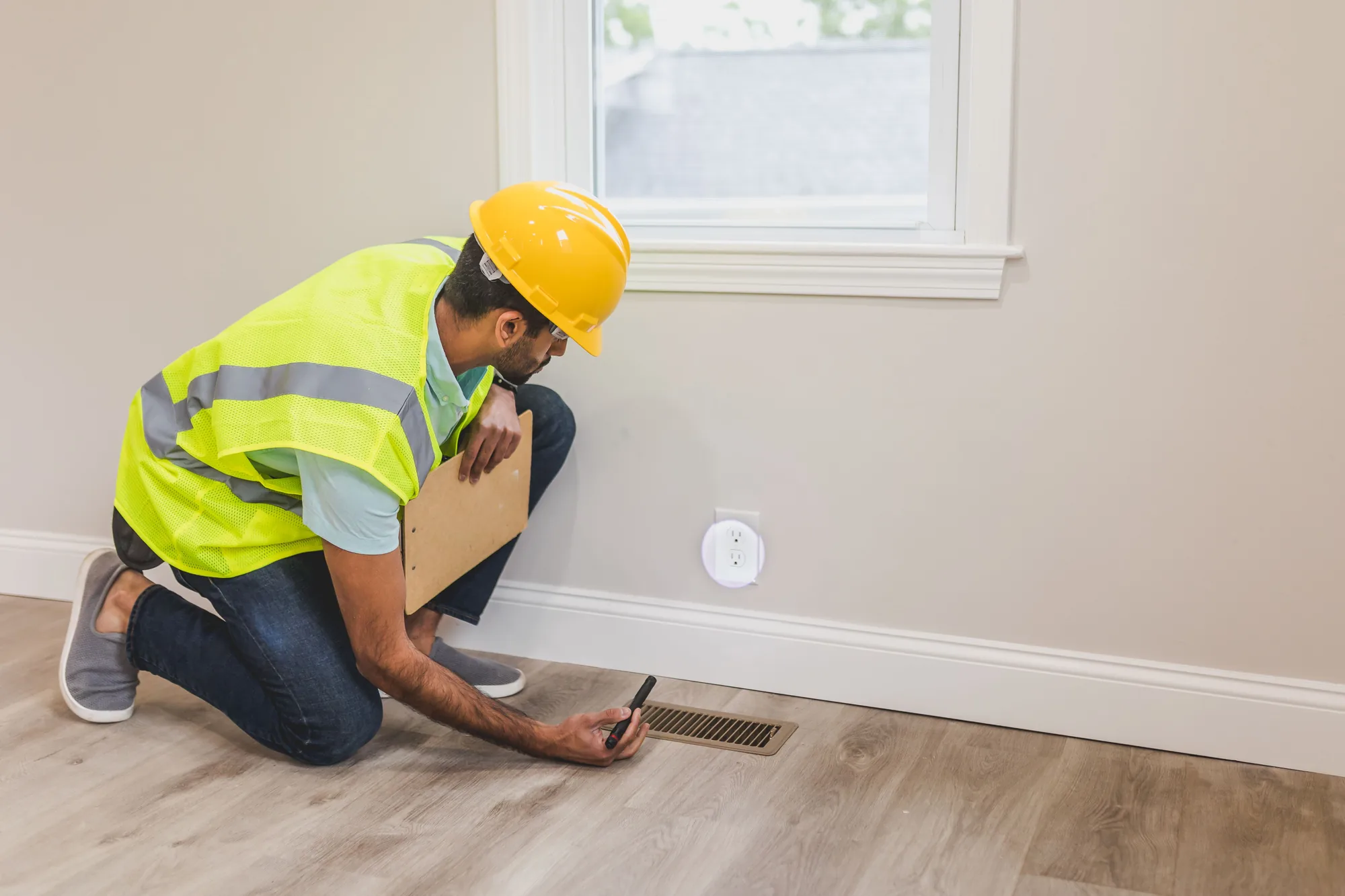
Why Choose Inspecverse for a Home Inspection in Ulster County?
Buyers and owners in Ulster County, NY have plenty of ways to find an inspector. Here is why many start with us:
- Local by design. Requests for Ulster County go to inspectors who list this area, not to a national call center.
- One form, both tracks. Residential and commercial requests use the same short form, and you only answer the questions that apply to your property.
- Credentials up front. Inspectors on this page are shown by name and InterNACHI credential, so you can see who serves Ulster County before you ask for a quote.
- Free, no obligation. Submitting a request costs nothing and does not commit you to hiring anyone.
- Plain-English New York guidance. We explain how New York licensing works so you can check any inspector yourself.
Ready when you are: request a free quote.
Inspection Services Available in Ulster County
Inspectors who serve Ulster County offer different mixes of services, so tell us what you need in your request. Commonly requested services include:
- Pre-purchase home inspection for buyers under contract.
- Pre-listing inspection for sellers who want no surprises.
- New construction and phase inspections before drywall or before closing.
- Radon testing, commonly run for at least 48 hours.
- Well water and septic evaluations for properties off municipal systems.
- Wood-destroying insect (WDI) reports when a lender or buyer asks for one.
- Commercial property inspections for offices, retail and multi-family buildings.
Not every inspector offers every service; the one you are routed to will confirm what is included in your quote.
What Makes This Directory Different in Mid-Hudson
Most inspection directories are national. Ours covers New York State only, Mid-Hudson included, and every location page is written around local housing and New York's inspection rules rather than recycled boilerplate.
We also say plainly what we are: a referral directory. We do not claim to license, insure or guarantee inspectors. New York's Department of State licenses home inspectors under Article 12-B of the Real Property Law, and this page shows you how to confirm a license yourself before you book a local home inspection in Ulster County.
Need a home inspection near Ulster County?
Residential or commercial. Free to request, no obligation.
Questions to Ask a Home Inspector in Ulster County
- What is your New York home inspector license number?
- Can I see a sample report?
- How long will the inspection take for a property like mine?
- Can I attend, and when will I receive the written report?
- Do you offer radon, well, septic or WDI services, or do you refer them out?
- How long have you inspected homes in Ulster County and Mid-Hudson?
Any home inspector near Ulster County worth hiring will answer these happily.
How It Works: Your Home Inspection in Ulster County in Four Steps
- Tell us about the property. Residential or commercial, the address in Ulster County, the size and your timing.
- We review and route it. Your request goes to a NACHI-certified inspector who lists Ulster County.
- Get your quote. The inspector follows up with pricing and available dates.
- Inspect and receive the report. You attend if you can, then use the written report to make your decision.
It takes a couple of minutes to request a free quote.
Home Inspection Near Ulster County: Communities We Cover
This page is your starting point for a home inspection near Ulster County anywhere in Ulster County, NY. If your town is not named, send a request with your address and we will check which listed inspectors serve it.
Ulster County is part of the Mid-Hudson region, so you will also find links to nearby counties at the bottom of this page if your property sits close to a county line.
For Sellers: Fewer Surprises When You List in Ulster County
Deals often wobble after the buyer's inspection. Getting your own inspection first gives you the report before anyone else sees it, so a roof, electrical or drainage issue does not become a last-minute price cut.
If you are getting ready to sell, request a free quote for a pre-listing inspection in Ulster County and plan repairs before your listing photos go up.
Local guide
The Ulster County Home Inspection Guide
Housing, climate, systems and New York rules that shape a home inspection in Ulster County, written for buyers and sellers.
A Quick Orientation to Ulster County's Housing Stock
Ulster County's housing didn't develop in one era or under one set of building conventions, and that's the first thing worth understanding before you hire an inspector. The county stretches from Hudson River frontage in Kingston and Esopus, across the Rondout and Wallkill valleys, up into the Shawangunk Ridge foothills around New Paltz, and into Catskill foothill communities further west and north. Each of those geographic bands attracted different waves of building, and a lot of that history is still standing and still being bought and sold today.
What this means practically: an inspector working in this county needs to be comfortable moving between a fieldstone farmhouse with a rubble foundation, a turn-of-the-century village house with knob-and-tube remnants in the walls, a 1960s–70s raised ranch with a crawlspace and an aging oil tank, and a newer build with a modern HVAC system and engineered foundation. The checklist doesn't change, but what counts as 'normal for its age' absolutely does, and a locally experienced inspector will read each of these differently rather than applying one generic standard.
Pre-1900 Stone and Timber-Frame Houses
The Dutch and Huguenot stone-house tradition is one of Ulster County's most distinctive architectural legacies, concentrated especially around Hurley, Marbletown, and the historic core of New Paltz near Huguenot Street. These homes, along with the timber-frame farmhouses that followed them, were built on rubble or fieldstone foundations long before modern waterproofing, footing drains, or structural engineering standards existed. That doesn't make them unsound — many have stood for two or three centuries — but it does mean an inspection needs to pay close attention to foundation moisture patterns, differential settling, and how additions or renovations over the decades have interacted with the original structure.
Early-to-Mid 20th Century Village and Farmhouse Construction
A large share of the county's housing dates to the early-to-mid 1900s: village houses in Kingston's residential neighborhoods, farmhouses scattered through the rural townships, and modest workers' housing tied to the cement and bluestone industries that once drove the local economy. Homes from this era commonly have balloon framing, original plaster walls, and electrical and plumbing systems that have typically been updated at least once but not always comprehensively — meaning an inspector may find a mix of modern and original materials coexisting in the same structure.
Post-War and Mid-Century Suburban Styles
As the county grew in the decades after World War II, ranch and raised-ranch construction spread through New Paltz, the outskirts of Kingston, and other developing areas. These homes are generally more straightforward to inspect than their older counterparts — slab or basic basement foundations, simpler framing — but they bring their own era-specific issues, including aging original wiring if untouched, single-pane windows in homes that haven't been updated, and heating systems that have sometimes outlived their efficient service life.
Common Building Types You'll Encounter When Searching Here
Buyers coming from other parts of New York, or from out of state, sometimes expect a more uniform housing stock than Ulster County actually has. Understanding the dominant building types here helps you anticipate what an inspection is likely to focus on before the report even lands in your inbox.
Colonial and Farmhouse-Style Homes
Traditional colonial and farmhouse styles remain common throughout the county's rural and semi-rural townships. Many of these were genuinely built as working farmhouses and later adapted for full-time residential use, which sometimes means additions, converted outbuildings, or systems that were retrofitted rather than designed in from the start. Inspectors look closely at how these additions tie into the original roofline and foundation, since that's a common point of water intrusion and structural stress.
Raised Ranches and Split-Levels
Raised ranch and split-level designs, popular through the 1960s and 70s, are common in the more suburban pockets of the county, particularly around New Paltz and parts of Kingston's outer neighborhoods. These homes typically have a partially below-grade lower level, which makes foundation drainage and grading around the house especially relevant — water management issues show up more readily in this style than in a simple one-story ranch on a full basement.
Condos, Townhouses, and Smaller Multi-Unit Buildings
While Ulster County is not NYC-adjacent in the way some downstate counties are, it does have condominium developments, townhouse communities, and smaller multi-family buildings, particularly in and around Kingston and near SUNY New Paltz, where rental and investment demand has supported some multi-unit stock. For these properties, an inspection needs to account for shared systems and common elements — roofs, siding, and sometimes heating plants that aren't solely the individual unit owner's responsibility — which is a different inspection scope than a standalone single-family home.
Common Defects Found in Ulster County Homes
Every house is different, but certain patterns show up often enough in this county's housing stock that they're worth knowing about before your own inspection, simply so the findings don't come as a surprise.
Foundation and Basement Moisture
Given the prevalence of older stone and fieldstone foundations, basement and crawlspace moisture is one of the most frequently flagged issues across the county. This ranges from minor seasonal dampness to more active water intrusion, and the cause is often as simple as grading, gutters, or downspouts directing water toward the foundation rather than away from it — correctable issues that are nonetheless important to identify and price into your decision.
Aging Electrical Systems in Older Homes
In homes dating from the early-to-mid 20th century or earlier, inspectors commonly encounter a mix of updated circuits alongside older wiring methods, undersized electrical panels for modern usage, or amateur additions made over the years without a permit. This is one of the more common negotiation points after an inspection in older Ulster County housing stock, since bringing a panel or a portion of the wiring up to current safety standards is a real and sometimes significant cost.
Roofing Wear Tied to Local Climate
The Hudson Valley and Catskill foothills see real winter snow load, freeze-thaw cycles, and ice dam potential, all of which accelerate roofing wear compared to milder climates. Inspectors here pay particular attention to flashing around chimneys and valleys, attic ventilation, and signs of past ice damming, since these are recurring, climate-driven issues rather than one-off defects.
Radon: A Real Regional Consideration, Not a Scare Tactic
Radon is a naturally occurring radioactive gas that comes from the breakdown of uranium in soil and rock, and its presence varies enormously by local geology — there is no single 'New York State' radon level, and no credible source should claim one. What can be said accurately is that parts of New York State, including areas with the kind of bedrock and soil composition found in the Hudson Valley and its surrounding hills, have a documented history of elevated indoor radon readings showing up in a meaningful share of tested homes. This is well-established enough that many home inspectors serving this broader region treat radon testing as a standard add-on rather than an unusual request.
The only way to know your situation is to test your own home — regional patterns are useful context, not a substitute for a result. Radon testing is typically offered as an add-on service alongside a standard home inspection, using either a short-term charcoal canister test or a continuous electronic monitor placed in the lowest regularly occupied level of the home for a period commonly at least 48 hours, depending on the device and protocol used. If you're buying a home with a basement that will be used as living space, or any home in this county generally, it's a conversation worth having with your inspector rather than assuming it either is or isn't a concern for your specific property.
Well Water and Septic Systems in Rural and Exurban Ulster County
Outside the more developed areas around Kingston's core and the New Paltz village center, private wells and septic systems are a normal and common feature of Ulster County housing rather than an exception. If you're buying in one of the county's more rural townships, there's a reasonable chance your water supply and wastewater disposal will be entirely on-site systems rather than municipal utilities, and that changes what you need to inspect and budget for.
What a Well Inspection Typically Covers
A separate well inspection — distinct from the general home inspection — typically evaluates the well's flow rate, the condition of visible components like the pressure tank and wellhead, and water quality through laboratory testing for bacteria, nitrates, and sometimes additional contaminants depending on the area. Flow rate matters particularly for larger households or properties with irrigation needs, since a well that technically produces potable water can still struggle to keep up with demand.
What a Septic Inspection Typically Covers
Septic system evaluations generally include locating and uncovering the tank, checking the tank's condition and sludge/scum levels, and sometimes a dye test to confirm the system is properly distributing effluent to the leach field rather than surfacing or backing up. Given that septic system failures and replacements can be one of the more expensive surprises a rural property buyer faces, this is a worthwhile add-on to budget for specifically rather than assuming it's bundled into a standard visual home inspection.
Flood Zone and Waterway Exposure to Understand Before You Buy
Ulster County has substantial water frontage and waterway exposure — the Hudson River along its eastern edge, the Rondout Creek and Rondout Valley, Esopus Creek, the Wallkill River, and numerous smaller streams and tributaries running through its hamlets and townships. Properties near any of these waterways may fall within a FEMA-designated flood zone, which affects both your home insurance costs and, in some cases, your mortgage lender's requirements.
This is worth confirming directly rather than guessing based on how far a property appears to be from visible water, since flood zone boundaries are determined by elevation and watershed modeling, not just visual proximity. Your real estate agent or title company can pull the FEMA flood zone designation for a specific parcel, and if the property is in or near a mapped zone, it's worth asking your inspector to pay particular attention to grading, sump pump systems, and any past evidence of water intrusion at the foundation level.
Foundation and Basement Types Common to the Region
Foundation type varies by era and original build quality across Ulster County, and recognizing which type a given property has helps set expectations for what an inspector will be looking for.
Fieldstone and Rubble Foundations
Common in the county's oldest housing stock, these foundations were built by stacking and mortaring local stone without the reinforced concrete and modern waterproofing membranes used today. They can be structurally sound for centuries when properly maintained, but mortar joints deteriorate over time, and moisture management is almost always a more active consideration than with a modern poured foundation.
Poured Concrete and Block Foundations
Mid-century and later construction more commonly uses poured concrete or concrete masonry unit (block) foundations, which behave more predictably and are generally easier to evaluate for cracking, bowing, or settlement than older stone construction. Inspectors still look closely at these for signs of hydrostatic pressure damage, especially in homes built into a hillside, which is a common siting pattern in this topographically varied county.
Crawlspaces and Partial Foundations
Some of the county's raised ranches, additions, and smaller outbuildings-turned-living-space use crawlspace foundations rather than full basements. Crawlspaces bring their own inspection priorities — ventilation, moisture control, insulation condition, and accessibility for any future repair work — that differ meaningfully from a full basement evaluation.
Heating and HVAC Systems Typical for Ulster County Homes
Winters in this part of the Hudson Valley and Catskill foothills are genuinely cold, which makes the heating system one of the higher-stakes components of any inspection here, both for comfort and for the real cost of a system failure or replacement in a climate that doesn't forgive a non-functioning furnace for long.
Oil Heat in Older Housing Stock
A meaningful share of the county's older homes, particularly those built before natural gas infrastructure extended to their location, were originally built with oil heat, and many still use it today. Inspectors pay specific attention to the age and condition of oil tanks — whether above-ground or buried — since an aging or leaking tank is both an environmental liability and a potentially costly remediation issue if discovered after closing rather than before.
Propane and Natural Gas Systems
Natural gas availability varies significantly by location within the county, with more consistent access in and around Kingston's denser areas and more reliance on propane in outlying townships. Propane systems function well but come with their own considerations around tank ownership versus leasing arrangements and delivery logistics that buyers moving from a natural-gas-served area may not be used to evaluating.
Wood and Pellet Heating as a Supplemental Source
Given the rural and semi-rural character of much of the county, wood stoves, pellet stoves, and fireplace inserts are common as either primary heat supplements or backup heat sources, especially on larger rural properties. When present, inspectors evaluate chimney and flue condition, clearances to combustibles, and whether installations meet basic safety standards, since these are often added by homeowners over the years rather than installed as part of original construction.
Lead Paint and Asbestos: What Pre-1978 Housing Means for Buyers
A substantial portion of Ulster County's housing predates 1978, the year the federal government banned lead-based residential paint. This doesn't mean every older home has an active lead hazard, but it does mean federal disclosure requirements apply to the sale of pre-1978 residential property, and it's worth understanding what that means practically rather than treating it as boilerplate paperwork to sign without reading.
Similarly, homes built before the 1980s may contain asbestos-containing materials in places like pipe insulation, vinyl floor tile, or older roofing and siding products — materials that are generally not a health hazard if left undisturbed and intact, but that become a real concern during renovation or demolition work. A standard home inspection is a visual inspection and will not test paint or materials for lead or asbestos content; that requires a separate specialized test, which is worth arranging directly if you're buying an older home and planning renovation work.
What the Required Disclosure Actually Covers
For homes built before 1978, sellers are federally required to disclose known lead-based paint hazards and provide buyers with an EPA-approved information pamphlet before the sale is finalized, along with a specific window of time to conduct a lead-based paint inspection or risk assessment if desired. This disclosure requirement exists regardless of whether the seller actually knows of any hazard — it's a process requirement, not an admission of a known problem.
When a Specialized Test Is Worth the Added Cost
If you're buying an older Ulster County home with plans for renovation — particularly anything involving disturbing painted surfaces, old flooring, or pipe insulation — a dedicated lead and/or asbestos test before you begin work is generally worth the modest added cost, since remediation requirements and costs differ substantially depending on what's actually present versus assumed.
What the Standard Home Inspection Process Looks Like
For buyers unfamiliar with how this typically unfolds in New York, understanding the sequence helps you plan your timeline and know what to expect at each stage.
Scheduling Within Your Contingency Window
Once your offer is accepted, your purchase contract will typically include an inspection contingency with a defined window — often a matter of days to roughly a week or two, depending on the specific contract terms — during which you need to complete the inspection and decide whether to proceed, renegotiate, or exit the deal. Scheduling promptly after acceptance is important, since local inspectors' availability can be tight during busy seasons, and you don't want your contingency window to lapse before you've even had the inspection performed.
The On-Site Inspection Itself
A typical single-family home inspection takes roughly two to four hours on-site, depending on the home's size, age, and complexity, and covers the roof, exterior, foundation, structure, electrical system, plumbing, heating and cooling systems, attic and insulation, and interior components like windows, doors, and visible signs of water damage or pest activity. Buyers are generally encouraged to attend, since seeing issues in person and asking questions in real time adds a lot of practical understanding beyond what a written report alone conveys.
Receiving and Reading Your Report
Most inspectors deliver a written report, often digital with photos, within 24 to 48 hours of the inspection. Reports typically categorize findings by severity or system, and it's worth reading through the entire document rather than skimming only the summary, since context about an issue's severity and recommended next steps is usually embedded in the detailed notes rather than the headline bullet points.
New York State Licensing Requirements for Home Inspectors
New York State requires home inspectors to be licensed through the Department of State's Division of Licensing Services. This licensing framework exists specifically to set a baseline standard for training, ethics, and accountability in an industry where buyers are making decisions worth hundreds of thousands of dollars based substantially on one person's assessment of a property's condition.
Licensing generally requires completing approved pre-licensing education, passing a state licensing examination, and carrying the inspector through ongoing requirements to maintain that license over time. Separately, many New York inspectors also hold certification through InterNACHI (the International Association of Certified Home Inspectors), which involves its own training and continuing education standards and is widely recognized within the industry as a marker of ongoing professional development, though it operates alongside state licensing rather than replacing it.
Verifying a License Before You Hire
Before hiring any inspector, it's reasonable and genuinely worthwhile to ask for their New York State license number and verify it directly through the Department of State's public license lookup. This takes only a few minutes and confirms the inspector is currently licensed and in good standing, which is a meaningful step given how much weight you're placing on their findings.
What Licensing Does and Doesn't Guarantee
A state license confirms an inspector has met the baseline education and examination requirements set by New York State; it doesn't guarantee a particular inspector's thoroughness, communication style, or fit for your specific property type. That's why it's worth treating license verification as a minimum bar to clear, then evaluating individual inspectors further on experience with your home's era and construction type, responsiveness, and reviews from past clients.

How to Choose the Right Inspector for Your Ulster County Property
With the range of housing types in this county — from 300-year-old stone farmhouses to recent construction — not every inspector brings the same depth of relevant experience to every property. A few practical questions help you find a good match.
Ask About Experience With Your Home's Specific Era
An inspector who regularly works on mid-century raised ranches may be excellent at that, but a 19th-century stone house with a rubble foundation and a history of additions asks for a different kind of pattern recognition. It's entirely reasonable to ask a prospective inspector directly how much experience they have with homes of your property's approximate age and construction type before booking.
Confirm What's Included Versus What's an Add-On
Standard home inspections generally do not include radon testing, well water testing, septic evaluation, or termite/wood-destroying insect inspections by default — these are typically offered as separate add-on services. Given how relevant several of these are to Ulster County specifically (radon regionally, well and septic in rural areas), it's worth asking upfront exactly what's included in the base inspection fee versus what would need to be added, so you can budget accurately and decide what's worth including for your specific property.
Read the Sample Report Before You Book
Most inspectors will share a sample report on request, and reviewing one before you hire gives you a real sense of how thorough and how clearly written their documentation is. A report dense with vague language or generic boilerplate is less useful to you during negotiation than one that clearly documents specific findings with photos and plain-language explanations.
Typical Home Inspection Costs in Ulster County and the Hudson Valley
Pricing for home inspections varies based on the home's square footage, age, foundation type, and which add-on services you select, so any number here should be read as a general estimate rather than a quote for your specific property. As a general planning range for the New York / Hudson Valley region in the 2025–2026 timeframe, a standard single-family home inspection commonly falls somewhere in the $400–$700 range for an average-sized home, with larger, older, or more complex properties running higher. Add-on services — radon testing, well water testing, septic evaluation, termite inspection — are typically priced separately and can each add roughly $100–$300 or more depending on the specific service and the inspector.
These figures are meant to help you budget and ask informed questions, not to replace getting an actual quote. Request a quote through the form on this page for pricing specific to your property's size, age, and the services you need.
Closing Timeline Considerations for Ulster County Buyers
New York real estate transactions, including in Ulster County, generally move through attorney review, mortgage contingency, and inspection contingency periods before reaching a closing date, and the inspection itself sits early in that sequence for good reason — findings from the inspection often shape subsequent negotiation, and in some cases, the scope of any lender-required repairs.
Why Scheduling the Inspection Early Matters
Because your inspection results can lead to further negotiation, additional specialized inspections (like a follow-up structural engineer visit if something significant is found), or even a renegotiated price, scheduling the general inspection as early as possible within your contingency window gives you the most runway to act on whatever it reveals without running up against your contract deadlines.
How Inspection Findings Can Affect Your Closing Date
If an inspection uncovers something requiring further evaluation or negotiation — a septic system needing further assessment, evidence suggesting a specialist should examine a foundation issue more closely — this can push your closing date back while that additional work happens. Building a small amount of flexibility into your expected timeline, rather than assuming the first proposed closing date is fixed, helps manage this realistically.
Kingston: What to Know About Inspecting Homes in the County Seat
Kingston is Ulster County's largest city and its historical and economic center, and its housing reflects that long history directly. The Stockade District, one of the oldest continuously inhabited areas in the United States, contains stone houses dating to the Dutch colonial period, while the surrounding neighborhoods layer in 19th-century rowhouses and freestanding homes built during Kingston's era as a bluestone quarrying and brick-manufacturing center, along with 20th-century infill. Inspecting a Kingston home often means encountering several different construction eras within a few blocks of each other, which is part of what makes local experience valuable here specifically — an inspector needs to recognize what's original, what's been altered, and how additions from different decades have been grafted onto older structures.
Kingston's waterfront areas along the Rondout Creek and its proximity to the Hudson River also mean flood zone awareness is particularly relevant for certain neighborhoods, and the city's older housing stock makes pre-1978 lead paint disclosure a routine part of most transactions here rather than an occasional consideration.
New Paltz: Inspecting Homes Near a University Town With Deep Historic Roots
New Paltz carries a dual character that shapes its housing market: it's home to one of the most significant concentrations of 17th-century stone houses in the country, centered on the Huguenot Street historic district, while also functioning as a college town anchored by SUNY New Paltz, which has driven demand for rental and investment properties, smaller multi-unit buildings, and a steady stream of starter homes for younger buyers and families drawn to the area's proximity to the Shawangunk Ridge and its outdoor recreation economy.
That combination means an inspector working in New Paltz needs range — comfortable evaluating a centuries-old stone structure with a rubble foundation on one call, and a converted multi-unit rental property with shared systems on the next. The area's proximity to the ridge and its associated watershed also makes well water quality and septic system condition a relevant topic for many of the township's more rural parcels outside the village center itself.
Marbletown: What Buyers Should Understand About This Historic Rural Township
Marbletown, which includes the hamlet of High Falls and borders the historic village of Hurley, is one of the county's most architecturally significant rural townships, with a concentration of pre-Revolutionary stone houses that rivals anywhere else in the region. Much of the township remains genuinely rural in character, which means private wells and septic systems are the norm rather than the exception for most properties here, and buyers should expect well and septic evaluation to be a standard part of their due diligence rather than an edge case.
The Rondout Creek runs through parts of Marbletown, including near High Falls, which adds a localized flood zone consideration for properties close to the waterway. Given the concentration of historic stone construction in this township specifically, buyers here benefit especially from an inspector with direct, demonstrated experience evaluating pre-20th-century foundation types, since a generic modern-construction checklist doesn't map well onto a 300-year-old farmhouse.
What Sellers in Ulster County Should Know Before Listing
While this guide is written primarily for buyers, sellers benefit from understanding the inspection process too, since it directly affects negotiation leverage and timeline predictability.
Why a Pre-Listing Inspection Can Be Worth Considering
Some sellers choose to commission their own inspection before listing, which surfaces issues early enough to either address them proactively or price the home accordingly from the start, rather than being caught off guard by a buyer's inspection report mid-negotiation. This is particularly useful for older homes in this county, where an unexpected foundation or electrical finding can otherwise derail a deal that was already far along.
Disclosure Obligations Sellers Should Understand
New York sellers are required to complete a Property Condition Disclosure Statement for most residential sales, covering known material defects, and separately must provide the federally required lead paint disclosure for any home built before 1978. Understanding these obligations ahead of listing, rather than treating them as paperwork to rush through at the last minute, helps avoid disputes or delays later in the transaction.
Questions Worth Asking Before You Hire Any Inspector
Beyond license verification, a short list of direct questions helps you evaluate fit and avoid surprises about scope or cost after the fact.
Questions About Scope and Add-Ons
Ask explicitly what's included in the base inspection price, whether radon, well, septic, and pest inspections are available and at what additional cost, and how quickly you'll receive the written report after the on-site visit is complete.
Questions About Experience and Process
Ask how long they've been inspecting homes in this specific county or region, whether they encourage buyers to attend the inspection in person, and whether they're available for a follow-up phone call if you have questions after reading the report.
Putting It All Together Before Your Inspection
Ulster County's housing stock rewards buyers who come in with realistic expectations rather than a one-size-fits-all checklist. A centuries-old stone house in Marbletown, a dense 19th-century Kingston neighborhood, and a mid-century raised ranch near New Paltz each ask different questions of an inspector, and understanding that going in helps you read your own report with more context and negotiate from a more informed position.
Use the directory on this page to compare and request quotes from the NACHI-certified inspectors listed as serving Kingston, New Paltz, and Marbletown, and don't hesitate to ask any of them directly about their experience with your property's specific era and construction type before booking.
Home Inspection in Ulster County: FAQ
How do I get a home inspection near Ulster County, NY?
Send a free request through Inspecverse with your property address, property type and timing. We review it and route it to a NACHI-certified inspector who serves Ulster County, who may then contact you with a quote. Right now 3 NACHI-certified inspectors are listed for Ulster County on this page.
Does Inspecverse perform the inspection itself?
No. Inspecverse is a referral directory. The licensed home inspector you hire performs the inspection and writes the report. We do not license, insure or guarantee inspectors, so always confirm the inspector holds an active New York home inspector license before the inspection.
Do I need a home inspection if I'm buying a newly built house in Ulster County?
Yes. Even new construction benefits from an independent inspection, because municipal building inspectors check for code compliance, not overall workmanship or finish quality. A private inspector can catch punch-list items, improperly installed systems, or grading issues around the foundation before you close. Many lenders don't require it for new construction, which is exactly why buyers sometimes skip it and regret it later.
Is radon testing something I should add in Ulster County, or is it optional?
It's worth treating as a near-standard add-on here rather than an afterthought. Ulster County sits in a part of New York State where elevated indoor radon readings show up often enough that many local inspectors recommend testing as a default, not an upsell. It's a separate, inexpensive add-on to a standard inspection, and the only way to know your specific home's level is to test it — regional patterns don't tell you what's happening in your own basement.
What's the difference between a home inspection and an appraisal?
An appraisal estimates the home's market value for the lender; it does not evaluate the condition of the roof, furnace, or wiring in any depth. A home inspection is a physical, systems-by-systems evaluation of the property's condition, performed by a New York State-licensed home inspector. You need both for a typical mortgage purchase, and they serve entirely different purposes — one protects the lender's collateral value, the other protects you as the buyer.
If my Ulster County home has a private well and septic system, does a standard home inspection cover those?
A general home inspection typically includes a visual check of visible well and septic components but does not include water quality testing or a full septic dye test / tank pump-out inspection by default. In a county where private wells and septic systems are common outside village centers, it's worth asking your inspector directly whether well water testing and septic evaluation are included or need to be arranged as separate add-on services, since practices vary by inspector.
How long does a typical home inspection take, and when should I schedule it during my purchase?
Most single-family home inspections run two to four hours depending on the size, age, and systems in the house, with older or larger homes on the longer end. Schedule it as soon as your offer is accepted and you're within your inspection contingency period, since New York purchase contracts typically build in a limited window — often a matter of days — to complete the inspection and negotiate any findings before that contingency expires.
Can I attend my own home inspection in Ulster County?
Yes, and most inspectors encourage it. Walking the property with your inspector lets you see issues firsthand, ask questions about maintenance going forward, and get a better feel for the house than a written report alone provides. If you can't attend in person, ask whether the inspector offers a live walkthrough option or will narrate findings by phone before the written report arrives.
Does New York State require home inspectors to be licensed, and how do I verify someone's license?
Yes. New York State requires home inspectors to be licensed through the Department of State's Division of Licensing Services, which involves meeting education and experience requirements and passing a state exam. You can ask any inspector for their license number and verify it directly through the Department of State's license lookup tool before hiring them — a step worth taking regardless of how the inspector was referred to you.
What should I do if my inspection uncovers a major issue, like foundation movement or an aging heating system?
Treat it as information for negotiation, not necessarily a reason to walk away. Ask the inspector to clarify the severity and whether the issue is a safety concern, a near-term expense, or something to monitor over time. From there, buyers in Ulster County commonly negotiate a price reduction, a seller credit toward repairs, or a direct repair request, depending on what the contract's contingency terms allow and how competitive the local market is at the time.
Home Inspection in Nearby Areas
Helpful Home Inspection Guides


Ready for a local home inspection in Ulster County?
Send one free request. We review it and route it to a NACHI-certified inspector who serves Ulster County, who may then contact you with a quote.