
Long Island
Get a Local Home Inspection in Suffolk County, NY
One short form connects buyers, sellers and owners in Suffolk County with a NACHI-certified inspector who lists the area. It is free and there is no obligation. Whether you searched for Home Inspection Suffolk County NY or simply need a qualified inspector near you, you are in the right place.
- Inspectors listed
- 30
- City pages
- 4
- To request
- Free
Suffolk County stretches from the western edge near the Nassau border all the way out to Montauk Point, and that geography alone tells you something important: there is no single "typical" Suffolk County home. A cape in Commack, a raised ranch in Smithtown, a converted summer cottage near Shirley, and a split-level in Holbrook were all built in different decades, often to different standards, and each carries its own set of things a buyer or owner genuinely needs to understand before relying on it for the next twenty years.
This page is built around the real inspection landscape in Suffolk County today — 43 NACHI-certified home inspectors working across 27 cities and towns here, from Commack and Smithtown to Ronkonkoma and Central Islip. It's meant to help you understand what makes homes in this part of New York distinct, what New York State actually requires of the people licensed to inspect them, and how to think clearly about cost, timing, and the inspection process itself. You won't find individual inspector contact details here — that's handled through the directory and lead form elsewhere on this page — but you will find the local knowledge that should inform how you use them.
Whether you're buying your first home in Suffolk, selling a house your family has owned for decades, or simply trying to understand what an inspection report is going to tell you, the goal here is the same: straightforward, locally grounded information, without invented statistics or generic filler that could apply to any county in any state.
What We Do for Home Buyers and Sellers in Suffolk County
Our job is the step before the inspection. You tell us what you need, whether that is a pre-purchase home inspection in Suffolk County, NY, a check before you list, or a commercial property inspection, and we send your request to an inspector who serves Suffolk County. That inspector may then contact you with a quote and, if you go ahead, schedule the visit with you.
We do not perform inspections, sell repairs, or work for either side of the deal. The directory exists so that finding a qualified home inspector near Suffolk County takes one form instead of an afternoon of phone calls. Right now 30 NACHI-certified inspectors are listed for Suffolk County on this page.
What Makes This Directory Different in Long Island
Most inspection directories are national. Ours covers New York State only, Long Island included, and every location page is written around local housing and New York's inspection rules rather than recycled boilerplate.
We also say plainly what we are: a referral directory. We do not claim to license, insure or guarantee inspectors. New York's Department of State licenses home inspectors under Article 12-B of the Real Property Law, and this page shows you how to confirm a license yourself before you book a local home inspection in Suffolk County.
Directory
Home Inspectors Serving Suffolk County
30 NACHI-certified inspectors
Salvatore Verdi
Island contracting group inc
Certified Professional Inspector®
John Stalzer
American League Home Inspection
Certified Professional Inspector®
Dominic Sciancalepore
ALL ANGLES HOME INSPECTIONS
Certified Professional Inspector®
Glenn Helder
GLENN HELDER HOME INSPECTION SERVICE CORP.
Certified Professional Inspector®
Les Jansson
A1 professional Home Inspections
Certified Professional Inspector®
Dominick Esposito
Certified Home Inspections
Certified Professional Inspector®
Show 24 more inspectors Show fewer
John Sandolo
Precision Home inspections of Suffolk LLC
Certified Professional Inspector®
Donnell Myers
Point Out Home Inspections
Certified Professional Inspector®
Frank Sapienza
With Grace Home Inspections
Certified Professional Inspector®
Brendan Gonzalez
Windsor Inspections LLC
Certified Professional Inspector®
Raymond Rice
Rice Property Inspections
Certified Professional Inspector®
Mark Chipps
MAC Home Inspections & Consulting, Inc.
Certified Professional Inspector®
Michael Posada
Neighborhood Home Inspections, LLC
Certified Professional Inspector®
Norman Stafford
Stafford Home Inspections
Certified Professional Inspector®
Daniel Rossi
Rossi Home Inspections Inc.
Certified Professional Inspector®
Sean Gregory
South shore home inspections
Certified Professional Inspector®
Joe Chiovarelli
Imperial Home Inspections
Certified Professional Inspector®
Raymond Samson
Samson Inspection Services, Inc.
Certified Professional Inspector®
Wilfred Hamlet
Hamlet Home Inspections Inc.
Certified Professional Inspector®
Mohammad Haque
Hawk-Eye Inspections Inc
Certified Professional Inspector®
Troy ORourke
Above & Beyond Home Inspections
Certified Professional Inspector®
Matt Delio
H & W Inspections
Certified Professional Inspector®
James Jacobs
Home Sweet Home Inspections, Inc.
Certified Professional Inspector®
Angelo Lettieri
HOME WORKS INSPECTION LLC
Certified Professional Inspector®
Steven Bilella
Oceanview & Up Home Inspections
Certified Professional Inspector®
Evan Ziegler
EZ Inspection Services
Certified Professional Inspector®
Steven Kovacs
Safe Island Inspections LLC
Certified Professional Inspector®
Manny Marinos
Homeguard Home Inspections LLC
Certified Professional Inspector®
Robert Hallam
Star Home Inspection Corp.
Certified Professional Inspector®
Anthony Dinardo
Island Wide Property Inspectors inc
Certified Professional Inspector®
Contact details stay private. Send one request and we route it to an inspector who serves Suffolk County.
Request a QuoteWhy Suffolk County Homeowners Use Our Directory
Inspection contingencies often run on tight timelines, and the last thing a buyer needs is a week of phone tag. With Inspecverse, one request reaches an inspector who already lists Suffolk County, which saves the back-and-forth of finding out who actually covers your address.
We keep it honest, too. We show each listed inspector's name and InterNACHI credentials, we never publish personal contact details, and we never charge you to ask for a quote. If you are comparing options for a home inspection in Suffolk County, NY, this page gives you the local context and the next step in one place.
Inside a Standard Suffolk County Home Inspection
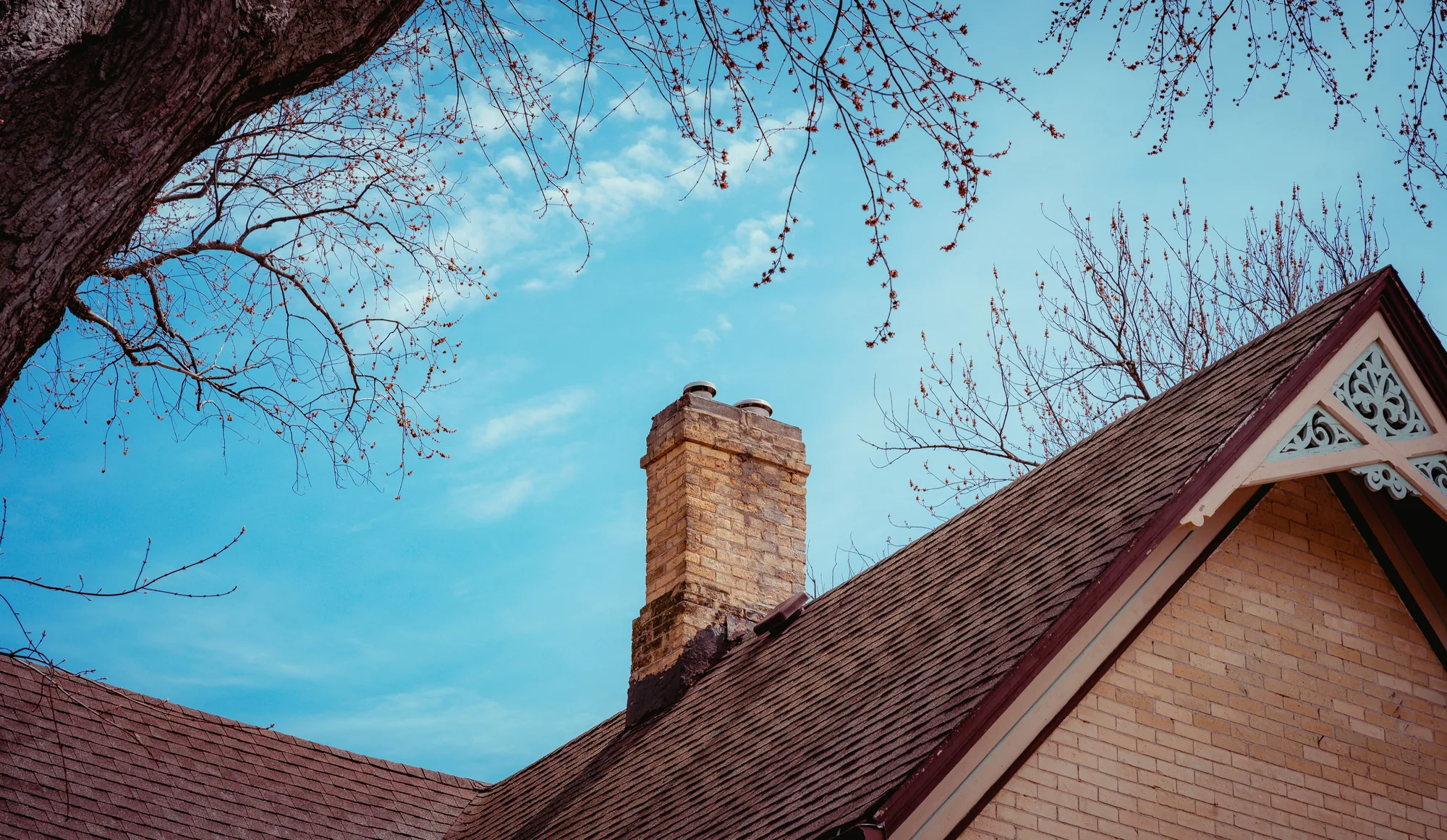
A typical local home inspection in Suffolk County follows the house from the ground up: the foundation and basement, the structure and exterior, the roof, then the mechanical systems (plumbing, electrical, heating and cooling) and finally the interior, attic and insulation.
The inspection is visual and limited to what is readily accessible. If the inspector sees something that needs a closer look, such as a chimney liner, a sewer line or a structural crack, the report will usually recommend a specialist rather than guess.
Pricing Your Suffolk County Inspection: What Moves the Number
Quotes for a home inspection in Suffolk County, NY vary with square footage, age, the number of units and any add-on testing you request. A century-old house with a full basement and a detached garage will take longer than a newer condo, and that shows up in the quote.
Ask each inspector exactly what their quote includes. A slightly higher price that includes radon testing or a sewer scope may be better value than a bare-bones inspection.
What to Consider When Choosing an Inspector Near Suffolk County
Price matters, but it should not be the only thing you compare. Before you hire a home inspector near Suffolk County, ask for their New York license number and confirm it with the Department of State, and ask for proof of the general liability insurance New York requires ($150,000 per occurrence, $500,000 aggregate).
Then look at how they work: How long will the inspection take on a property like yours? Can you attend? When will the written report arrive, and does it include photos? If you need radon testing, ask how long the test runs; short-term radon tests commonly run at least 48 hours. If a lender requires a wood-destroying insect report, check whether the inspector provides one, since that requirement depends on the loan and location.
Need a home inspection near Suffolk County?
Residential or commercial. Free to request, no obligation.
Licensing and Insurance: Protecting Your Suffolk County Purchase
A New York license is the baseline, not a bonus. Home inspectors here are licensed by the Department of State under Article 12-B, and they must carry the state's required general liability coverage ($150,000 per occurrence, $500,000 aggregate). InterNACHI certification, shown next to each inspector on this page, is a professional credential on top of that.
We do not verify licenses on your behalf, so checking is quick and worth it: ask the inspector for the number and look it up before the inspection.
What Inspectors Watch for in Suffolk County
Waterfront and low-lying neighborhoods raise drainage and moisture questions, while older capes, ranches and colonials often have original systems worth a careful look. Septic or cesspool systems, oil tanks and roof condition after coastal storms come up often.
Mention any of these in your request so the inspector who handles your local home inspection in Suffolk County can plan for them or suggest the right specialist.
Areas Served Throughout Suffolk County
Inspectors list their service areas by county and by city, and Suffolk County is covered as a whole. It includes our dedicated pages for Commack, Holbrook, Huntington Station and Smithtown, plus every other town and village in the county. Right now 30 NACHI-certified inspectors are listed for Suffolk County on this page.
Searching for a home inspection near Suffolk County because you are close to a county line? Check the nearby Long Island areas linked further down; many inspectors cover more than one county.
Getting the Most From Your Inspection Near Suffolk County
If you are the buyer, ask your agent to confirm access with the sellers and to make sure utilities are on. If you are the seller, clear the way to the attic, basement, panel and mechanical equipment.
Attend if you can. Seeing an issue in person, with the inspector explaining it, makes the report much easier to understand when you sit down to decide next steps after your home inspection in Suffolk County, NY.
Inspections for Commercial and Investment Property Near Suffolk County
Investors and business owners in Suffolk County use the same simple form. Pick commercial, describe the property, and note any lender or due-diligence deadline.
Commercial scopes vary much more than residential ones, so expect the inspector to confirm exactly what is included, and whether specialists such as roofers or engineers are needed, before quoting.
Local guide
The Suffolk County Home Inspection Guide
Housing, climate, systems and New York rules that shape a home inspection in Suffolk County, written for buyers and sellers.
Why Home Inspections Matter in Suffolk County
Suffolk County is one of the largest counties by land area in New York State, and its housing stock reflects decades of different building booms, different water and waste infrastructure depending on where you are, and a coastline that touches both the Long Island Sound to the north and the Atlantic to the south. That diversity is exactly why a generic, one-size-fits-all approach to inspection doesn't serve buyers or sellers well here.
A thorough inspection is the single best tool you have for understanding what you're actually buying before you're financially committed to it. It won't tell you everything — no inspection can see inside every wall or guarantee a system's exact remaining lifespan — but a careful, system-by-system walkthrough by a licensed, experienced inspector gives you a realistic picture of a home's condition, its maintenance needs, and any safety concerns that need addressing before or shortly after closing.
A Brief History of Suffolk County's Housing Stock
Suffolk County's residential development happened in distinct waves. The county's older hamlets and villages, many clustered around the historic North Shore and along early rail lines, include homes dating back well over a century, some originally built as farmhouses or modest village homes long before Suffolk became a commuter suburb of New York City.
The much larger wave came after World War II and continued heavily through the 1950s, 60s, and 70s, as returning veterans and young families moved east from the city and from Nassau County in search of affordable land and new construction. This is the era that produced the capes, ranches, and split-levels that still make up a large share of the county's housing today. Later decades added colonials, larger center-hall homes, and eventually denser condo and townhome development near transit corridors and commercial centers.
Understanding roughly when a neighborhood was built gives you a real head start before an inspection even begins — it tells you what kind of systems, materials, and code standards were likely in place when the home was originally constructed.
Common Home Styles and Building Types Across Suffolk County
Because Suffolk County's development happened in layers rather than all at once, you'll find a genuinely wide mix of architectural styles even within the same town. Recognizing the common types helps set realistic expectations for what an inspector is likely to encounter.
Cape Cods and Post-War Starter Homes
The classic Cape Cod — a compact, one-and-a-half story home with a steep roofline and often an unfinished or partially finished upper level — is one of the defining starter-home styles across Suffolk County's post-war neighborhoods. Many have since been expanded with dormers or rear additions, which inspectors pay close attention to since additions don't always tie into the original structure, roofing, or electrical system cleanly.
Raised Ranches and Split-Levels
Raised ranches and split-level homes became especially popular across Suffolk County from the 1960s into the 1980s, offering more usable square footage on smaller lots. These homes often have a partially below-grade lower level that was finished at some point after original construction, which makes moisture management, insulation quality, and whether that finished space was properly permitted important things an inspector will look at closely.
Colonials and Farmhouses in the Historic Hamlets
In the county's older hamlets, you'll find genuine historic farmhouses alongside later colonial-style construction built to evoke that same traditional New England and Long Island look. True older farmhouses can carry original framing, settled foundations, and a patchwork history of additions and renovations spanning generations, which is part of their charm but also exactly why a detailed inspection matters more, not less, for these properties.
Waterfront Cottages and Converted Summer Homes
Along parts of Suffolk's south shore and in bay-front hamlets, a number of homes started life as modest seasonal cottages before being winterized and converted to year-round residences. These conversions vary enormously in quality — some were upgraded properly with full insulation, code-compliant heating, and elevated foundations, while others retain shortcuts from their original seasonal-use design. An inspector familiar with this housing type knows specifically what to check for.
The Age of Suffolk County Homes and Why It Matters
A home's age is one of the most useful pieces of context you can hand your inspector before they arrive, because it points directly to the materials and systems most likely to be original or near-original.
Pre-1978 Homes and Lead-Based Paint
Homes built before 1978, which describes a substantial share of Suffolk County's housing given how much of it was constructed in the post-war decades, may contain lead-based paint, particularly on trim, doors, windows, and in older layers beneath newer paint. This is a well-documented, federally recognized concern for pre-1978 housing nationwide, not something specific to invent statistics about for this county. A standard visual inspection isn't a certified lead test, but your inspector can flag deteriorating paint or suspect conditions that warrant a dedicated lead inspection, especially important if young children will live in the home.
Asbestos in Mid-Century Construction Materials
Homes built through roughly the 1970s and 80s sometimes used asbestos-containing materials in insulation (including some older vermiculite attic insulation), floor tile, pipe wrap, and certain siding products. Many of these materials are safe if left undisturbed and in good condition; the real risk comes from disturbing them during renovation. An inspector who regularly works in Suffolk County's older housing stock will typically point out materials that look consistent with these older products so you can decide whether further specialized testing makes sense.
Knob-and-Tube and Early Aluminum Wiring
Some of the county's oldest homes retain remnants of knob-and-tube wiring, usually in sections that haven't been fully updated, while homes from a later specific period sometimes used aluminum branch wiring, which has its own well-documented connection concerns at outlets and switches. Both are things a qualified inspector will specifically look for in older Suffolk properties, since both affect insurability and may require an electrician's follow-up evaluation.
Well Water and Private Water Systems in Suffolk County
Water service in Suffolk County is genuinely mixed depending on where you are. Many of the county's more established, denser communities are served by public water districts, but a meaningful number of properties, especially in less densely developed areas and on larger lots further east, rely on private wells. This is a defining difference from many New York City-adjacent counties and something buyers moving from more urban areas sometimes aren't prepared for.
How a Water Quality Test Fits Into an Inspection
If a property has a private well, a water quality test is one of the most important add-ons to a standard home inspection, typically checked separately through a lab rather than visually during the walkthrough itself. Testing commonly covers bacteria, nitrates, and sometimes additional parameters depending on the area and known regional concerns. Given Suffolk County's mix of residential and historically agricultural land use in parts of the county, a water test is worth treating as close to mandatory rather than optional whenever a well is present.
Well Equipment Age and Maintenance
Beyond water quality itself, an inspector examining a well system will typically assess the visible condition of the pressure tank, pump equipment where accessible, and signs of water quality issues like staining or scale buildup on fixtures. Well equipment has a working lifespan, and knowing roughly how old the system is helps you budget realistically for eventual replacement.
Septic Systems and Cesspools: What Suffolk Buyers Need to Know
Just as water service varies across the county, so does wastewater handling. A significant portion of Suffolk County relies on on-site septic systems or, in older properties, cesspools rather than connection to a municipal sewer system. This is one of the single most important things for a buyer to understand and budget around.
Older Cesspools vs. Modern Septic Systems
Older Suffolk County properties, particularly those built decades ago and never upgraded, may still use cesspools — simpler, older on-site wastewater systems that don't treat waste to the same standard as a modern septic system. A septic or cesspool inspection, usually performed as a specialized add-on by someone with specific equipment and training, assesses whether the system is functioning, roughly how it's holding up, and whether it meets current standards. This is genuinely one of the higher-stakes systems to understand before buying in Suffolk County, since replacement or upgrade costs can be significant.
Suffolk County's Septic Upgrade Programs
Suffolk County has invested in programs over recent years aimed at helping homeowners upgrade aging septic systems and cesspools to more modern, nitrogen-reducing systems, reflecting a broader regional effort to protect groundwater and surrounding waterways. If you're buying a home with an older system, it's worth asking your inspector, attorney, or local building department about the current state of any such programs and whether the property might qualify, rather than relying on this page for specific program details, which change over time.
Where Municipal Water and Sewer Service Exists Instead
Not every part of Suffolk County relies on private wells and septic. A number of more established communities, denser villages, and areas closer to the Nassau County line are served by public water districts and, in some pockets, municipal or district sewer systems. If you're comparing homes across different parts of the county, this infrastructure difference is worth asking about directly for each specific property, since it materially affects both your inspection checklist and your long-term maintenance costs. A home on municipal water and sewer generally removes well and septic concerns from your inspection entirely, while shifting attention instead toward typical plumbing supply line condition and connection to the public system.
Radon Potential on Long Island
Radon is a naturally occurring radioactive gas that comes from the breakdown of uranium in soil and rock, and its presence varies by local geology — sometimes significantly even within the same town or neighborhood. Rather than asserting a specific radon number for Suffolk County, which isn't something a buyer should rely on without their own testing, the honest and useful framing is this: Long Island's geology, like much of New York State, includes areas identified as having meaningful radon potential in federal and state mapping, and testing is the only reliable way to know the level in a specific home.
Why Radon Testing Is Still Worth Doing Here
Because radon levels can vary house to house even on the same street depending on soil conditions, foundation type, and ventilation, a map-level zone designation only tells part of the story. The EPA and New York State health authorities consistently recommend testing individual homes rather than relying on area-wide assumptions, and that guidance applies just as much in Suffolk County as anywhere else in the state.
What a Radon Test Adds to Your Inspection
A radon test is typically a separate add-on to a standard home inspection, using either a short-term test left in the home for a few days or a longer-term monitor. If elevated levels are found, radon mitigation systems are a well-established and generally straightforward fix, commonly involving a vent pipe and fan system that safely routes gas from beneath the foundation to the outside air. Given how routine and effective mitigation is, a positive radon result is rarely a deal-breaker so much as a known, budgetable item.
Flood Zones, Coastal Exposure, and Storm History
Suffolk County's extensive shoreline, bordered by the Long Island Sound to the north and bays and the Atlantic Ocean to the south, means flood zone status and coastal exposure are genuinely relevant considerations for a meaningful share of properties here, not a hypothetical concern. Flood zone designation affects insurance requirements, potential insurance costs, and sometimes financing conditions, so it's worth confirming a property's FEMA flood zone status early in your process, separate from and in addition to your physical home inspection.
South Shore Barrier Communities and Bay-Front Properties
Communities along Suffolk's south shore, including areas near the Great South Bay and other bay-front locations, have a documented history of exposure to coastal storms, including major events like Superstorm Sandy in 2012. For homes in these areas, an inspector will often pay particular attention to foundation elevation, flood venting if the home has been elevated or retrofitted, and any visible signs of past water intrusion, in addition to the standard scope of a full home inspection.
North Shore Bluffs and Erosion Considerations
On the north shore, where parts of Suffolk County sit along bluffs overlooking the Long Island Sound, erosion is the more relevant long-term consideration rather than flood zone status in the FEMA sense. Properties on or near bluff edges sometimes have specific local requirements around setbacks and stabilization, and while a standard home inspection focuses on the structure itself, it's reasonable to ask a seller or local building department about any known erosion history for bluff-adjacent properties.
Foundation and Basement Types Common to the Region
Foundation type in Suffolk County correlates fairly closely with both the home's age and its specific location, and it's one of the first things an inspector assesses because it affects so much else about moisture management and structural condition.
Full Basements vs. Crawl Spaces vs. Slab-on-Grade
Many of the county's capes, colonials, and older homes have full basements, which in Suffolk's often sandy, well-draining soil can still experience moisture issues depending on grading, gutter performance, and the water table in a given area. Ranches and some newer construction more commonly use slab-on-grade or crawl space foundations instead. Each type has its own typical failure points — basements for water intrusion and settlement cracking, crawl spaces for ventilation, moisture, and insulation quality, and slabs for grading and drainage around the perimeter.
Sump Pumps and Groundwater Management
Given the water table conditions in parts of Suffolk County, sump pumps are common in basements here, and an inspector will typically test whether the pump activates and discharges properly, check the age and condition of the unit, and note whether a battery backup exists in case of power loss during a storm, which is a particularly relevant consideration in a county that sees periodic significant weather events.
Heating and Cooling Systems Typical of Suffolk County Homes
Long Island's heating and cooling history shows up clearly in Suffolk County's housing stock, and system age and fuel type both carry real implications for cost, safety, and upcoming replacement budgeting.
Oil Heat Legacy and Tank Considerations
Oil heat has historically been common across Long Island, including throughout much of Suffolk County, particularly in areas without natural gas service. For homes with oil heat, an inspector will typically note the furnace or boiler's apparent age and condition, and for homes with above-ground tanks, assess visible condition and any signs of leakage or corrosion. Older underground oil tanks are a distinct and more serious consideration — some have been removed or replaced over the years, and verifying the status of any underground tank, past or present, is worth specific attention rather than assumption, since this can carry real environmental and financial implications.
Aging Central AC and Ductless Retrofit Trends
Central air conditioning in older Suffolk County homes is sometimes a retrofit added well after original construction, and system age, duct condition, and whether the system was sized appropriately for the home are all things worth understanding. In recent years, ductless mini-split systems have become an increasingly common way to add or supplement cooling in homes that were never originally designed with ductwork, and inspectors are accustomed to evaluating both traditional central systems and these newer retrofits.
Electrical Systems in Older Suffolk Homes
Electrical demand in the average home has grown enormously since many Suffolk County houses were originally wired, and this gap between original capacity and modern usage is one of the more consistently found issues in older housing stock here.
Panel Capacity for Modern Electrical Demand
Homes built decades ago were often wired for electrical panels rated well below what a modern household now draws between HVAC systems, kitchen appliances, electronics, and increasingly electric vehicle charging. An inspector will note the panel's rated capacity, its apparent condition, and whether it appears to have been updated since original construction, since an undersized or outdated panel is a common and important finding in Suffolk County's older neighborhoods.
GFCI and AFCI Gaps in Older Construction
Ground-fault circuit interrupter (GFCI) protection near water sources and arc-fault circuit interrupter (AFCI) protection in living spaces are now standard safety expectations, but older homes built before these requirements existed often simply don't have them. This is an extremely common and relatively inexpensive-to-address finding in Suffolk County's pre-1990s housing, and inspectors routinely flag missing protection in kitchens, bathrooms, and bedrooms as a safety upgrade worth prioritizing.
Roofing Considerations for Long Island's Climate
Suffolk County's roofs face a combination of coastal wind exposure, humidity, and seasonal temperature swings that affect how different roofing materials age here. Asphalt shingle roofs remain the dominant material across the county's housing stock, and their expected lifespan depends heavily on installation quality, ventilation, and the number of layers present. An inspector will assess visible wear, flashing condition around chimneys and vents, and attic ventilation, since poor attic ventilation is a frequently overlooked factor that can shorten a roof's effective life regardless of the shingle quality itself. In coastal and bay-front areas specifically, wind exposure and salt air can accelerate wear on roofing and exterior materials compared to more inland parts of the county.

Common Defects Found in Suffolk County Home Inspections
While every home is different, certain categories of findings come up repeatedly across Suffolk County's housing stock, largely driven by the age and style patterns discussed earlier on this page.
Moisture Intrusion and Grading Issues
Improper grading that slopes water toward a foundation rather than away from it, clogged or poorly directed gutters and downspouts, and basement or crawl space moisture are among the most frequently noted issues across the county, cutting across nearly every home style and era.
Deferred Maintenance in Long-Held Family Homes
Suffolk County has a meaningful share of homes that have stayed in the same family for decades, sometimes passed down across generations. These homes are often well-loved but can also show deferred maintenance on big-ticket systems — an original roof, an aging boiler, or electrical work that was never updated — simply because a long-term owner adapted to living with the home as-is rather than because of any lack of care.
DIY and Unpermitted Work
Finished basements, converted garages, and additions completed without proper permits or inspection sign-off show up regularly in Suffolk County, particularly in raised ranches and split-levels where that lower level was a natural candidate for extra living space. An inspector can note workmanship and safety concerns in this kind of work, but verifying whether permits were actually filed and closed out is a separate step worth taking through the local building department, since it can affect both safety and resale down the road.
What a Buyer's Home Inspection Actually Covers
A standard buyer's home inspection in Suffolk County generally covers the home's major systems and components in a visual, non-invasive way: roofing, exterior and grading, foundation and structure, basement or crawl space, electrical panel and visible wiring, plumbing fixtures and visible pipes, heating and cooling systems, insulation and ventilation where accessible, and interior components like windows, doors, and major visible defects. It does not typically include specialized testing like well water quality, septic function, radon, mold, or pest inspection unless those are specifically added — which is exactly why understanding Suffolk County's local conditions, as covered throughout this page, helps you decide which add-ons actually matter for your specific property rather than treating every inspection as identical.
What a Seller's Pre-Listing Inspection Can Do For You
Sellers in Suffolk County increasingly commission their own pre-listing inspection before putting a home on the market, and for good reason. Knowing about significant issues ahead of time lets you decide whether to address them proactively, price the home accordingly, or simply disclose them clearly, rather than being surprised mid-contract by a buyer's inspection findings that can stall or derail a deal. In a market with older housing stock and the kind of system diversity found across this county, a pre-listing inspection can meaningfully reduce negotiation friction and help a sale move more smoothly toward closing.
New York State Licensing Requirements for Home Inspectors
Every home inspector practicing in Suffolk County, as anywhere else in New York State, must be licensed through the New York State Department of State's Division of Licensing Services. This isn't a local or county-level requirement — it's a statewide framework that applies uniformly, which means a licensed inspector in Suffolk County has met the same baseline standards as one in any other New York county.
Education and Experience Requirements
New York State requires licensed home inspectors to complete a Department of State-approved course of study along with supervised field inspection experience, and to pass a qualifying examination before becoming licensed. Beyond initial licensing, the state also requires ongoing continuing education for license renewal, which is intended to keep inspectors current on building practices, safety standards, and inspection methods over time.
Insurance and Standards of Practice
Licensed New York home inspectors are required to carry liability insurance and to follow a defined standards of practice governing what an inspection must cover and how findings should be reported. Many Suffolk County inspectors also pursue additional certification, such as through the International Association of Certified Home Inspectors (NACHI), which layers on its own continuing education and code of ethics requirements beyond the state's baseline license.
How to Choose a Home Inspector in Suffolk County
With 43 NACHI-certified inspectors working across 27 different cities and towns in Suffolk County, buyers and sellers here genuinely have choices — which makes knowing what to look for worthwhile.
Verifying License and Certification
Start by confirming New York State licensure directly, which you can do through the Department of State's public license lookup. From there, NACHI certification is a useful additional signal, since it indicates an inspector has committed to NACHI's continuing education requirements and standards of practice on top of the state's baseline requirements. Local experience matters too — an inspector who regularly works in Suffolk County specifically will be more attuned to the well, septic, radon, and coastal considerations covered throughout this page than one unfamiliar with the area.
Questions Worth Asking Before You Hire
Reasonable questions to ask before hiring include: how long the inspection is expected to take for a home of this size and age, whether well water, septic, and radon testing are offered directly or coordinated through a specialist, whether you'll receive a written report with photos, how quickly that report is typically delivered, and whether you're welcome to attend and walk the property alongside the inspector. A confident, experienced inspector should answer all of these clearly and without hesitation.
Typical Home Inspection Cost Ranges in Suffolk County
As a general planning estimate for 2025–2026 rather than a specific quote, a standard single-family home inspection in Suffolk County commonly falls somewhere in the range of roughly $400 to $650. This is a general range meant to help you budget, not a guaranteed price — always confirm current pricing directly with the inspector you're considering, since no two companies price identically.
What Affects the Price
Price typically scales with square footage, the home's age, the number of systems present (such as multiple heating zones or an older home with more complex mechanical systems), and foundation type. A compact ranch or condo on municipal water and sewer will generally sit at the lower end of a typical range, while a larger, older home with a private well, septic system, and more complex mechanicals will generally land higher.
Ancillary Tests and Add-On Services
Well water testing, septic or cesspool inspection, and radon testing are typically priced as separate add-ons rather than included in a base inspection fee, and each carries its own additional cost on top of the standard inspection. Given how relevant these three services are across large parts of Suffolk County specifically, it's worth budgeting for them as likely additions rather than being surprised by them later, especially for any property with a private well or on-site wastewater system.
How Inspections Fit Into the Suffolk County Closing Timeline
Timing matters in a home purchase, and understanding where the inspection fits into your overall closing timeline helps avoid unnecessary stress or missed deadlines.
Inspection Contingency Periods
Most purchase contracts in New York, including throughout Suffolk County, include an inspection contingency period — a defined window, often negotiated as part of the contract, during which the buyer has the right to complete inspections and raise findings. Scheduling your inspection promptly after going under contract, and lining up any well, septic, or radon testing at the same time where applicable, helps ensure results come back with enough time left in that window to act on them.
Negotiating Repairs After the Report
Once your inspection report is in hand, your attorney and real estate agent typically guide the next step, which can range from requesting specific repairs, negotiating a credit at closing, or asking for a price adjustment, depending on what your contract allows and what the findings actually warrant. Because New York real estate transactions commonly involve attorneys on both sides, this negotiation tends to happen through attorney correspondence rather than directly between buyer and seller, which is worth knowing going in so you're not caught off guard by the process.
Commack: A Closer Look
Commack is the single largest hub for inspection activity reflected in this directory, with four NACHI-certified inspectors based there — more than any other city or town in Suffolk County. Commack's housing stock leans heavily toward the post-war capes, ranches, and colonials typical of central Suffolk's mid-century development boom, much of it built on municipal water and sewer service given the area's more established, denser suburban character compared to parts of the county further east. For buyers looking at homes in this specific area, that combination of concentrated local inspector availability and a fairly consistent housing stock era makes it a relatively well-served market for finding an inspector who already knows the neighborhood's common issues.
Smithtown and Huntington Station: A Closer Look
Smithtown and Huntington Station each have three NACHI-certified inspectors listed, making them two of the more inspector-dense communities in the county. Smithtown's housing spans a particularly wide range of eras, from older hamlet-area homes near the town's historic center to mid-century ranches and later colonials further out, which means the specific questions worth asking an inspector can vary meaningfully depending on exactly which part of town a property sits in.
Huntington Station, situated near rail access and closer to the Nassau border, tends to have a denser mix of housing types including older multi-family and smaller single-family homes alongside more traditional suburban construction, and its proximity to Huntington's harbor-adjacent areas means some properties here warrant the same kind of coastal and flood-zone attention discussed earlier on this page, even though Huntington Station itself sits somewhat inland from the water.
Holbrook, Bay Shore, and Shirley: A Closer Look
Holbrook, with three listed inspectors, sits in central Suffolk and reflects much of the mid-to-late-century suburban development pattern common across that part of the county, generally served by a mix of water infrastructure depending on the specific neighborhood. Bay Shore, with two inspectors listed, is a south shore community directly adjacent to the Great South Bay, which makes the flood zone and coastal exposure considerations covered earlier in this guide genuinely relevant for many properties here rather than a distant hypothetical — bay-front and near-bay homes in Bay Shore specifically warrant the kind of foundation elevation and flood-venting attention discussed in the coastal exposure section above.
Shirley, also with two listed inspectors, sits further east along the south shore corridor and includes a mix of year-round and formerly seasonal housing, some of it originally built as more modest vacation-style homes before being converted for full-time use. For buyers looking at older homes in Shirley specifically, the earlier discussion of converted summer cottages is worth revisiting, since that conversion history is a genuinely common pattern in this part of the county.
Ronkonkoma and Central Islip: A Closer Look
Ronkonkoma, with two listed inspectors, sits centrally in the county near its namesake lake and benefits from strong transit access via the Ronkonkoma rail line, which has spurred some newer and denser residential development in recent years alongside its older suburban housing stock. That mix means inspectors working in Ronkonkoma need to be comfortable evaluating everything from older mid-century homes to newer construction, each with its own distinct set of things to check.
Central Islip, with one listed inspector, is a more densely populated community with a housing mix that includes a higher proportion of older, smaller homes and multi-family properties compared to some of the county's more spread-out suburban towns. For buyers here, understanding a specific property's exact age and any history of conversion or subdivision into multiple units is particularly useful context to hand an inspector ahead of a walkthrough.
Finding a NACHI-Certified Inspector Near You in Suffolk County
With 43 NACHI-certified inspectors spread across 27 cities and towns throughout Suffolk County, odds are good that an experienced, locally knowledgeable inspector is working not far from whatever property you're evaluating. Use the directory on this page to find inspectors serving your specific city or town, and bring the local context from this page into your conversation with them — ask directly about well and septic experience if relevant to your property, radon testing availability, and familiarity with your neighborhood's typical housing era and construction style. The right inspector for a waterfront property in Bay Shore may bring a somewhat different set of priorities than the right inspector for an inland colonial in Smithtown, and a good local inspector will recognize that distinction immediately.
Home Inspection in Suffolk County: FAQ
How do I get a home inspection near Suffolk County, NY?
Send a free request through Inspecverse with your property address, property type and timing. We review it and route it to a NACHI-certified inspector who serves Suffolk County, who may then contact you with a quote. Right now 30 NACHI-certified inspectors are listed for Suffolk County on this page.
Does Inspecverse perform the inspection itself?
No. Inspecverse is a referral directory. The licensed home inspector you hire performs the inspection and writes the report. We do not license, insure or guarantee inspectors, so always confirm the inspector holds an active New York home inspector license before the inspection.
Does New York State require a home inspector license, and how do I verify one?
Yes. New York State requires home inspectors to be licensed through the Department of State's Division of Licensing Services, which oversees education requirements, examination, and liability insurance for everyone practicing in the state, including Suffolk County. You can verify an inspector's license status directly through the Department of State's online license lookup. A valid state license is the baseline; many Suffolk buyers also look for inspectors who hold additional certification, such as from the International Association of Certified Home Inspectors (NACHI), as a sign of continuing education and adherence to a formal standards of practice.
How much does a home inspection cost in Suffolk County?
As a general estimate for 2025–2026, a standard single-family home inspection in Suffolk County commonly falls in a range of roughly $400 to $650, with condos and smaller homes sometimes lower and larger or older properties, or those needing well, septic, or radon add-ons, running higher. These are general planning figures, not quotes — actual pricing depends on square footage, age, foundation type, and which ancillary tests you add. Always ask a specific inspector for a firm quote based on your property.
Do I need a separate well water test and septic inspection, or are those included?
In most cases these are separate, add-on services rather than automatic parts of a standard home inspection. Because a meaningful share of Suffolk County's housing stock relies on private wells and on-site septic systems or older cesspools, especially in the eastern and more rural parts of the county, it's worth asking upfront whether your inspector offers these tests directly or coordinates with a specialist. If your home has either system, treat these as near-essential additions rather than optional extras.
Is radon a real concern for homes in Suffolk County?
Radon potential varies by geology and can vary even block to block, and Long Island has areas identified with meaningful radon potential in federal and state radon mapping. Rather than relying on general assumptions, the most reliable approach is a short-term or long-term radon test performed as part of your inspection. Testing is inexpensive relative to the information it provides, and if elevated levels are found, mitigation systems are a well-established, solvable fix.
Should I get an inspection on a brand-new construction home in Suffolk County?
Yes. New construction is not exempt from defects — missing insulation, improperly sloped grading, HVAC systems installed incorrectly, or punch-list items the builder hasn't finished are all things an independent inspector routinely catches that a builder's own final walkthrough may not flag. Many buyers in newer Suffolk developments schedule an inspection before closing and sometimes an eleven-month warranty inspection near the end of the builder's warranty period.
How long does a typical home inspection take, and should I attend?
Most single-family inspections in Suffolk County take roughly two to four hours depending on the home's size, age, and systems. Attending is strongly recommended. Walking the property with your inspector, even for the last 20–30 minutes, lets you see issues firsthand, ask questions in context, and understand maintenance items that a written report alone can't fully convey.
What happens if the inspection finds problems — can I still move forward with the purchase?
In almost every case, yes. An inspection report is a decision-making tool, not a pass/fail test. Depending on your contract's inspection contingency language, findings typically lead to one of a few paths: requesting repairs, negotiating a credit or price adjustment, asking the seller to address specific health-and-safety items, or in rarer cases walking away if the issues are severe and unresolved. Your real estate attorney and agent will guide the specific negotiation based on your contract terms.
Do older homes in Suffolk County need special inspection attention for lead paint or asbestos?
Homes built before 1978 may contain lead-based paint, and homes built before the 1980s may contain asbestos in certain materials such as older insulation, flooring, or pipe wrap. A standard visual home inspection is not the same as a certified lead or asbestos test, but an experienced inspector familiar with Suffolk County's older housing stock will flag materials and conditions that warrant further specialized testing, particularly in homes with original systems or visible deterioration.
Home Inspection in Nearby Areas
Helpful Home Inspection Guides


Ready for a local home inspection in Suffolk County?
Send one free request. We review it and route it to a NACHI-certified inspector who serves Suffolk County, who may then contact you with a quote.