
Capital Region
Get a Local Home Inspection in Rensselaer County, NY
One short form connects buyers, sellers and owners in Rensselaer County with a NACHI-certified inspector who lists the area. It is free and there is no obligation. Whether you searched for Home Inspection Rensselaer NY or simply need a qualified inspector near you, you are in the right place.
- Inspectors listed
- 5
- City pages
- 0
- To request
- Free
Rensselaer County sits on the east bank of the Hudson River in New York's Capital Region, anchored by the city of Troy and stretching east across rolling farmland, the wooded Rensselaer Plateau, and the foothills of the Taconic Mountains along the Massachusetts and Vermont borders. It's a county where a buyer can look at a brick Federal-era rowhouse in downtown Troy one afternoon and a 1970s raised ranch on two acres near West Sand Lake the next, and the two properties will have almost nothing in common when it comes to what an inspector needs to check. That range, more than almost anything else, is what makes local knowledge matter here.
This guide is built specifically for people buying, selling, or simply maintaining a home somewhere in Rensselaer County, whether that's the historic core of Troy, the growing suburban corridor around East Greenbush, or the quieter towns of Wynantskill and West Sand Lake pushing east toward the plateau. It walks through the housing stock's history and common building types, the regional issues worth understanding (radon, older paint and wiring, well and septic systems, flood exposure near local waterways), what New York State actually requires of a licensed home inspector, how to think about choosing one, realistic cost ranges, and how inspection timing fits into a typical closing here.
You won't find individual inspector contact details on this page. The request form elsewhere on this site handles the next step: we review each request and route it to a local NACHI-listed inspector, five of whom are listed as serving communities across this county. Confirm any inspector's active New York State license before you hire. What follows instead is the background knowledge that helps you ask better questions, understand your inspection report, and make a more informed decision no matter which part of Rensselaer County you call home.
What We Do: Connecting Rensselaer County Property Owners With Local Inspectors
Inspecverse is a New York inspection directory and referral service. When you need a local home inspection in Rensselaer County, you fill out one short request with the property type, address and timing, and we review it and route it to a NACHI-certified inspector who lists Rensselaer County in their service area. The inspector, not Inspecverse, performs the inspection and writes the report.
That keeps the first step simple for buyers, sellers and owners in Rensselaer County, NY: no cold-calling a list of strangers, no guessing who actually drives to your street, and no cost to submit a request. Right now 5 NACHI-certified inspectors are listed for Rensselaer County on this page.
- Residential: single-family houses, condos, co-ops, townhomes and small multi-family buildings.
- Commercial: offices, retail, mixed-use, light industrial and investment property.
- Add-on testing you can ask about: radon, well water, septic and wood-destroying insects.
What Makes This Directory Different in Capital Region
Most inspection directories are national. Ours covers New York State only, Capital Region included, and every location page is written around local housing and New York's inspection rules rather than recycled boilerplate.
We also say plainly what we are: a referral directory. We do not claim to license, insure or guarantee inspectors. New York's Department of State licenses home inspectors under Article 12-B of the Real Property Law, and this page shows you how to confirm a license yourself before you book a local home inspection in Rensselaer County.
Directory
Home Inspectors Serving Rensselaer County
5 NACHI-certified inspectors
Robert Klein
Squared Home Inspections
Certified Professional Inspector®
Donald Clendaniel
Carey Home Inspection
Certified Professional Inspector®
Ryan Fitzgerald
Hollis Home Inspection
Certified Professional Inspector®
Peter Hawkins
Vivid Home Inspection LLC
Certified Professional Inspector®
Saverio Parrottino
RSP Home Inspections & Related Services, LLC
Certified Professional Inspector®
Contact details stay private. Send one request and we route it to an inspector who serves Rensselaer County.
Request a QuoteInside a Standard Rensselaer County Home Inspection
A typical local home inspection in Rensselaer County follows the house from the ground up: the foundation and basement, the structure and exterior, the roof, then the mechanical systems (plumbing, electrical, heating and cooling) and finally the interior, attic and insulation.
The inspection is visual and limited to what is readily accessible. If the inspector sees something that needs a closer look, such as a chimney liner, a sewer line or a structural crack, the report will usually recommend a specialist rather than guess.

Why Rensselaer County Homeowners Use Our Directory
Inspection contingencies often run on tight timelines, and the last thing a buyer needs is a week of phone tag. With Inspecverse, one request reaches an inspector who already lists Rensselaer County, which saves the back-and-forth of finding out who actually covers your address.
We keep it honest, too. We show each listed inspector's name and InterNACHI credentials, we never publish personal contact details, and we never charge you to ask for a quote. If you are comparing options for a home inspection in Rensselaer County, NY, this page gives you the local context and the next step in one place.
What to Consider When Choosing an Inspector Near Rensselaer County
Price matters, but it should not be the only thing you compare. Before you hire a home inspector near Rensselaer County, ask for their New York license number and confirm it with the Department of State, and ask for proof of the general liability insurance New York requires ($150,000 per occurrence, $500,000 aggregate).
Then look at how they work: How long will the inspection take on a property like yours? Can you attend? When will the written report arrive, and does it include photos? If you need radon testing, ask how long the test runs; short-term radon tests commonly run at least 48 hours. If a lender requires a wood-destroying insect report, check whether the inspector provides one, since that requirement depends on the loan and location.
What Inspectors Watch for in Rensselaer County
Older housing stock, long heating seasons and rural lots shape inspections in Capital Region. Expect attention to heating systems, chimneys, roof wear, attic ventilation, basement moisture and, where present, wells and septic systems.
Farmhouses and older village homes can have a mix of original and updated systems, so tell us the approximate age of the property when you request your local home inspection in Rensselaer County.
Need a home inspection near Rensselaer County?
Residential or commercial. Free to request, no obligation.
Inspections for Commercial and Investment Property Near Rensselaer County
Investors and business owners in Rensselaer County use the same simple form. Pick commercial, describe the property, and note any lender or due-diligence deadline.
Commercial scopes vary much more than residential ones, so expect the inspector to confirm exactly what is included, and whether specialists such as roofers or engineers are needed, before quoting.
From Request to Report: How Your Rensselaer County Inspection Comes Together
Most people come to this page because they need a home inspection near Rensselaer County soon. The process is short: you submit one request, we pass it to an inspector who serves the area, and that inspector contacts you with a quote and a time.
On inspection day, plan for a few hours depending on the size and age of the property. The written report follows, and that report, not a verbal summary, is what you and your agent will rely on for any repair request.
Areas Served Throughout Rensselaer County
Inspectors list their service areas by county and by city, and Rensselaer County is covered as a whole. Right now 5 NACHI-certified inspectors are listed for Rensselaer County on this page.
Searching for a home inspection near Rensselaer County because you are close to a county line? Check the nearby Capital Region areas linked further down; many inspectors cover more than one county.
Licensing and Insurance: Protecting Your Rensselaer County Purchase
A New York license is the baseline, not a bonus. Home inspectors here are licensed by the Department of State under Article 12-B, and they must carry the state's required general liability coverage ($150,000 per occurrence, $500,000 aggregate). InterNACHI certification, shown next to each inspector on this page, is a professional credential on top of that.
We do not verify licenses on your behalf, so checking is quick and worth it: ask the inspector for the number and look it up before the inspection.
Pricing Your Rensselaer County Inspection: What Moves the Number
Quotes for a home inspection in Rensselaer County, NY vary with square footage, age, the number of units and any add-on testing you request. A century-old house with a full basement and a detached garage will take longer than a newer condo, and that shows up in the quote.
Ask each inspector exactly what their quote includes. A slightly higher price that includes radon testing or a sewer scope may be better value than a bare-bones inspection.
Local guide
The Rensselaer County Home Inspection Guide
Housing, climate, systems and New York rules that shape a home inspection in Rensselaer County, written for buyers and sellers.
Rensselaer County at a Glance: What Buyers and Sellers Should Know
Rensselaer County is one of the original counties of the Capital Region, carved out of Albany County in 1791 and named for the Van Rensselaer family whose land holdings once covered much of the area. Troy, on the Hudson's east bank, has served as the county seat since the county's founding, and it's impossible to separate the county's housing story from Troy's: the city's 19th-century iron, textile, and collar-manufacturing boom (Troy was nicknamed "The Collar City" for its detachable-collar industry) made it, for a time, one of the wealthiest cities per capita in the country, and that wealth is still visible in its brick and stone housing stock today.
Geographically, the county is a study in contrasts. Along the Hudson, the land is relatively flat and densely settled, home to Troy, the city of Rensselaer, and the inner suburbs. Moving east, the terrain climbs into the Rensselaer Plateau around Poestenkill and the Sand Lake area, then rises further into the Taconic Mountains at the Massachusetts and Vermont state lines, where Berlin Mountain tops out above 2,800 feet. That west-to-east shift from river valley to forested highland shows up directly in the kinds of homes you'll find, how they're built, and what systems they rely on.
Why Location Within the County Changes What an Inspection Needs to Cover
A home inspector working a listing in downtown Troy and one working a property in the hill towns toward the plateau are, in a real sense, looking at two different kinds of real estate. The Troy inspection is more likely to involve masonry chimneys, knob-and-tube wiring remnants, and a shared-wall rowhouse configuration. The plateau-area inspection is more likely to involve a private well, a septic field, and a foundation built to handle a sloped, rocky lot. Neither is inherently more complicated, but a good local inspector adjusts their checklist based on where in the county the home actually sits.
A Capital Region Housing Stock Built Across Three Centuries
Few counties in upstate New York offer as wide a range of construction eras within a single jurisdiction. Rensselaer County's housing spans from early 19th-century Federal and Greek Revival homes in Troy's historic districts, through the ornate Victorian and Italianate construction of the industrial boom years, into early-to-mid 20th-century bungalows and foursquares, postwar suburban development of the 1950s through 1970s, and newer construction in the growth corridors around East Greenbush and North Greenbush. Each era brought its own materials, methods, and code expectations, and a lot of that history is still physically present in the walls, wiring, and plumbing of homes being bought and sold today.
This matters practically because the "typical defects" an inspector watches for shift era by era. A home built in 1890 and a home built in 1995 fail in different ways, age at different rates, and were held to entirely different construction standards when they went up. Buyers who understand roughly when their prospective home was built, and what that era generally implies, tend to ask sharper questions during the inspection and interpret the final report more usefully.
Pre-1900 Construction: Troy's Historic Core
Troy retains a genuinely significant inventory of pre-1900 housing, much of it recognized in National Register-listed historic districts such as the Central Troy Historic District. Federal-style brick townhouses, Greek Revival homes, and elaborate Italianate and Victorian residences from the city's wealthiest decades are common in and around downtown. These homes often feature masonry exterior walls, plaster interior finishes, balloon-frame or timber construction, and layers of renovation history that an inspection needs to untangle.
Early-to-Mid 20th Century Housing
Between roughly 1900 and the 1950s, the county saw substantial bungalow, foursquare, and modest colonial-style construction, both within Troy's outer neighborhoods and in the smaller towns. These homes frequently sit at the boundary of "old enough to have genuine character" and "old enough to have outdated systems," making them a common source of inspection findings around electrical capacity and plumbing material.
Postwar and Suburban-Era Development
The decades after World War II brought ranch, raised ranch, and split-level construction to the growing suburban towns, particularly around East Greenbush and the corridor following Route 4 and the I-90 approach to the river. These homes are generally easier to inspect structurally than the historic stock, but they're now old enough that original mechanical systems, roofing, and windows are frequently at or past the end of their expected service life.
Common Home Styles You'll Find Across Rensselaer County
Beyond construction era, it helps to recognize the physical building types that dominate different parts of the county, since each style carries its own typical inspection focus points.
In Troy and the inner river communities, attached and semi-attached rowhouses and narrow-lot single-family homes are common, often with party walls shared between neighboring structures. In the suburban towns, detached ranches, raised ranches, split-levels, and traditional colonials predominate, generally on larger individual lots. Further east and in the more rural parts of the county, farmhouses (some genuinely 19th-century agricultural structures, others newer homes built in a farmhouse style), camps and seasonal-turned-year-round dwellings near lakes and wooded parcels, and scattered newer custom construction round out the picture. True co-op and condominium ownership structures are far less common here than in the New York City metro area, though some multi-unit and townhome-style developments exist in and around Troy and the denser suburban nodes.
Raised Ranches and Split-Levels
This style is especially common in the postwar suburban towns and presents a distinctive inspection challenge: the split-level or raised-ranch layout creates multiple partial floor levels and, often, a lower level that's partially below grade. Inspectors pay particular attention to moisture intrusion at that partially below-grade level and to how additions or finished basements were tied into the original structure.
Colonial and Farmhouse-Style Homes
Both genuine older farmhouses and newer homes built in a colonial or farmhouse style are common across the county's more rural towns. The key inspection distinction is age versus style: a home that looks like a traditional farmhouse but was built in 2005 has entirely modern systems, while one that's a genuine 19th-century agricultural structure converted to a residence may have irregular framing, multiple past additions, and a patchwork construction history that takes a careful eye to read correctly.
Troy's Historic Core: Inspecting Pre-1900 Victorian and Federal-Era Homes
Troy deserves its own focused discussion because its historic housing stock is genuinely dense and genuinely old by New York standards, and inspecting it well requires specific attention that a cookie-cutter checklist doesn't always provide. Many of these homes have been renovated multiple times over a century or more, which means an inspector is often reading layered history as much as current condition: a kitchen rewired in the 1980s sitting above knob-and-tube remnants still present in an unfinished attic, or a basement with three different generations of plumbing material feeding the same fixtures.
Masonry condition is a particular focus in this part of the county. Brick and stone exteriors common to Troy's Federal and Victorian-era homes need to be evaluated for repointing needs, foundation settlement cracking (which is common and not automatically alarming in a building well over a century old, but needs context), and water infiltration at parapets, chimneys, and window lintels. Historic district designation can also affect what exterior changes an owner is permitted to make, which is worth understanding before assuming a repair will be straightforward.
Knob-and-Tube Wiring and Electrical Upgrades
Homes from this era were, by definition, built decades before modern electrical code, and many still have some remnant of early wiring methods somewhere in the structure, even after multiple rounds of partial rewiring. An inspector will typically trace what's actually live versus abandoned, flag any wiring that's been improperly spliced into modern circuits, and note whether the home's electrical panel and overall capacity are adequate for present-day use.
Plaster, Lath, and Settlement Cracking
Plaster-over-lath interior walls, standard in this era, crack differently than modern drywall and can look more dramatic than the underlying structural reality warrants. Distinguishing cosmetic plaster cracking from genuine structural movement is a skill that matters more in Troy's older housing stock than almost anywhere else in the county.
Suburban Growth Corridors: Raised Ranches, Split-Levels, and Colonials
East Greenbush and the broader suburban corridor along the Hudson's east side represent a different inspection profile entirely. Housing here is predominantly mid-to-late 20th century, built to the electrical, plumbing, and structural codes of their respective decades, generally on individual lots with attached garages, and connected to municipal water and sewer in the more built-up sections. The core inspection concerns shift away from historic-building issues and toward age-related wear on systems that were installed correctly to begin with but are now reaching or exceeding their expected service life.
Buyers in this part of the county should expect inspectors to spend real time on roofing age and condition, HVAC system age, water heater condition, and whether any additions or finished spaces (a converted garage, a finished basement, a bump-out addition) were done with proper permits and to code, since unpermitted work is a common finding in homes that have had multiple owners since original construction.
Permit History on Additions and Finished Basements
It's common in this part of the county to find a finished basement, converted garage, or room addition that wasn't permitted or inspected by the local municipality at the time it was done. A home inspector isn't a code enforcement officer and can't retroactively grant a permit, but they can and should flag construction that looks unpermitted, undersized electrical runs added to support new living space, or HVAC that was never resized to handle added square footage.
Aging Original Windows and Insulation Levels
Many suburban homes from the 1960s and 1970s still have original single-pane or early double-pane windows and insulation levels that were adequate by the standards of their decade but fall well short of what's expected, and comfortable, today. This shows up more as an energy-efficiency and comfort note than a safety defect, but it's a recurring theme buyers in this corridor should expect to see in their reports.
Rural and Plateau Properties: Farmhouses, Camps, and Newer Construction
Once you move east past the immediate suburban ring, toward and onto the Rensselaer Plateau and the hill towns approaching the Taconic range, the housing character changes again. Lots get larger, construction gets more varied in age and quality, and the systems a buyer needs to understand (private wells, septic fields, propane or oil heat rather than natural gas) are fundamentally different from what's standard closer to the river.
This part of the county also has a meaningful stock of converted seasonal properties, cabins and camps originally built for weekend or summer use that have since been winterized and turned into full-time residences. These conversions vary enormously in quality, and an inspector working in this area needs to specifically assess whether a seasonal structure was actually upgraded to year-round standards (foundation insulation, properly sized heating, adequate electrical service) or whether it's still functionally a camp with a furnace added.
Converted Camps and Seasonal Structures
A property marketed as a year-round home that started life as a camp or seasonal cabin deserves particular scrutiny. Common gaps include foundations or crawlspaces that were never properly insulated for winter use, electrical service sized for a few lights and a refrigerator rather than a full household, and water supply lines that are vulnerable to freezing because they were originally meant to be drained each fall.
Newer Custom Construction on Rural Lots
Not everything out this way is old. Newer, often custom-built homes on larger rural parcels are also common, and these carry their own inspection focus: proper site drainage on sloped or rocky lots, correctly installed and tested private well and septic systems, and verification that construction actually matches the approved plans and permits on file with the town.
Lead Paint, Older Wiring, and Other Pre-1978 Concerns
Because such a large share of Rensselaer County's housing, especially in and around Troy, predates 1978, buyers and sellers here should understand the general landscape of pre-1978 construction issues even though a standard visual home inspection is not itself a lead, asbestos, or environmental testing service.
Federal law prohibited lead-based paint in residential use in 1978, which means any home built before that year may contain lead paint somewhere in its layers, typically under newer coats, even if it isn't visible on the surface. New York State and federal disclosure rules generally require sellers of pre-1978 housing to disclose known lead-based paint hazards and provide buyers with the EPA's lead hazard information pamphlet, though the specifics of what a given transaction requires should be confirmed with your real estate attorney or agent rather than assumed from general knowledge. A standard home inspector will typically note visible paint deterioration, chipping, or peeling, particularly around older windows, doors, and exterior trim where friction and weathering are greatest, since these are the areas most likely to generate lead dust even when the underlying paint has been painted over multiple times.
Older Electrical Systems Beyond Wiring Type
Beyond knob-and-tube remnants, pre-1978 homes across the county commonly have undersized electrical service (60 or 100 amp panels that were adequate decades ago but are limited by today's appliance and electronics load), two-prong ungrounded outlets in parts of the home that were never upgraded, and fuse boxes rather than modern circuit breakers. None of these automatically fail an inspection, but they're common enough findings that buyers of older homes should budget mentally for eventual electrical upgrades.
Galvanized and Early Plumbing Materials
Older plumbing materials, galvanized steel supply lines in particular, are still present in parts of the county's oldest housing stock. Galvanized pipe corrodes from the inside over decades, which can reduce water pressure and eventually lead to leaks, and an inspector will typically note its presence and condition even though a full material-by-material plumbing survey often requires a plumber rather than a general home inspector.
Asbestos-Containing Materials in Older Rensselaer County Homes
Asbestos was widely used in building materials throughout much of the 20th century, including in some vermiculite insulation, pipe wrap, floor tile and adhesive, and certain siding and roofing products, well into the 1970s and in some products even later. Given how much of the county's housing was built before that window closed, it's reasonable for buyers of older homes here, particularly in Troy's historic core and in early-to-mid 20th-century housing countywide, to be aware that asbestos-containing materials may be present.
A general home inspection is a visual, non-invasive process, and most licensed home inspectors will note suspected asbestos-containing materials they observe (certain pipe insulation, older floor tile, aging duct wrap) without disturbing them, since disturbing suspected asbestos is itself a hazard. If a specific concern is flagged, or if planned renovation work would disturb older materials, a specialized asbestos inspection or lab sampling by a qualified professional is the appropriate next step rather than relying on visual identification alone.
Basement Pipe Wrap and Boiler Insulation
Older heating systems, particularly steam and hot water boilers common in Troy's historic housing, were frequently insulated with materials that may contain asbestos. Intact, undisturbed insulation in good condition is generally considered lower risk than damaged or crumbling material, but any suspected asbestos-containing insulation is worth having properly evaluated before any renovation or removal work begins.
Radon in the Capital Region: Why Testing Matters Here
Radon is a naturally occurring, radioactive gas produced by the decay of uranium in soil and rock, and it can seep into homes through foundation cracks, sump pits, and other openings, accumulating to levels the EPA considers a health concern in enclosed spaces like basements. Radon potential varies by local geology rather than by county lines exactly, and it's documented as a genuine concern in multiple parts of New York State, including areas of the Capital Region and the broader Hudson Valley and upstate regions where the underlying bedrock and glacial soils can support elevated indoor levels.
Rather than asserting a specific radon zone designation or numeric average for Rensselaer County specifically, which varies by individual property and isn't something a general directory page should claim to know precisely, the practical guidance that applies broadly across New York holds here too: radon levels can vary significantly from one property to the next even on the same street, testing is inexpensive and straightforward, and the EPA's recommended action level applies regardless of which part of the county a home sits in. Given the county's varied terrain, from river-valley flats to the more elevated, rockier ground of the Rensselaer Plateau and the hill towns toward the Taconic range, radon testing is a reasonable precaution for buyers anywhere in the county rather than something to treat as relevant only in certain neighborhoods.
How Radon Testing Typically Works During an Inspection
Most radon testing done alongside a home inspection uses a short-term test device placed in the lowest regularly occupied level of the home, left in place for a minimum period — commonly at least 48 hours, depending on the device and protocol used, following EPA guidance — under closed-house conditions. Results are typically available within a few days, which matters for timing within a typical contract's inspection contingency window.
What Happens If a Test Comes Back Elevated
An elevated radon reading isn't a reason to abandon an otherwise good home. Radon mitigation systems, generally a vent pipe and fan system that draws soil gas from beneath the foundation and exhausts it above the roofline, are a well-established, relatively routine remediation and are commonly negotiated as a repair item or credit in the purchase contract rather than a dealbreaker.
Well Water in Rensselaer County: What Rural Buyers Need to Know
Private wells are common once you move away from Troy and the denser river-corridor communities and into the county's more rural and exurban towns, including large portions of the area around West Sand Lake, Wynantskill's less densely developed sections, and further east toward the plateau and hill towns. A well-water property shifts several practical responsibilities onto the homeowner that municipal water customers simply don't have to think about: water quality testing, pump and pressure-tank maintenance, and well yield (how much water the well can actually produce, which matters a great deal for a larger household or any irrigation or livestock use).
A standard home inspection typically does not include well water testing as part of the base service; it's almost always a separate add-on performed by the inspector or a specialized lab, testing for bacteria (commonly total coliform and E. coli), and often nitrates, and sometimes additional parameters depending on known regional concerns. Buyers of well-water properties anywhere in this county should treat water testing as a necessary, not optional, part of their due diligence, separate from and in addition to the general home inspection.
Well Yield and Pump System Age
Beyond water quality, well yield, the rate at which the well can replenish water, matters particularly for larger homes, homes with multiple bathrooms, or any property with outdoor water use. A well that produces adequate water for a single person running minimal fixtures can struggle under heavier household demand, and pump and pressure tank age and condition are typically part of what a well inspection evaluates.
Testing Parameters Worth Discussing With Your Inspector
Beyond standard bacterial testing, it's worth asking your inspector or testing lab what additional parameters make sense for the specific area of the county your property sits in, since appropriate testing can vary by local geology and any known regional water quality patterns. This is a conversation to have directly with a qualified local professional rather than something to assume one way or another.
Septic Systems Outside the Municipal Sewer Footprint
Septic systems go hand in hand with private wells across much of rural Rensselaer County, and they carry their own distinct inspection and maintenance considerations. A septic system treats household wastewater on-site through a tank and a drainage/leach field, and its condition is genuinely difficult to assess without a dedicated septic inspection, which typically involves locating and opening the tank, checking sludge and scum levels, and evaluating the condition of the distribution system and leach field.
This is consistently one of the costliest systems to replace in a home, which makes it one of the areas where skipping a specialized inspection to save money is a false economy. Buyers of any septic-system property in the county's more rural towns should budget for this as a separate service from the general home inspection and should ask directly about the system's age, when it was last pumped, and whether any prior issues have been documented with the town or county health department.
Tank Pumping History and System Age
A septic tank generally needs periodic pumping on a schedule that depends on household size, tank capacity, and usage patterns. Sellers who can document a regular pumping history give buyers meaningfully more confidence than sellers who can't say when the tank was last serviced, and this documentation (or the lack of it) is worth asking about early in the process.
Leach Field Condition and Setback Requirements
The leach or drainage field is where treated wastewater disperses into the soil, and its condition, along with its distance from wells, property lines, and water bodies (setback requirements that vary by local and state regulation), is a core part of what a septic evaluation assesses. A failing leach field is a significant and often expensive repair, which is exactly why this system deserves its own dedicated look rather than a quick visual guess.
Municipal Water and Sewer: What's Different in Troy and the River Corridor
In contrast to the rural well-and-septic pattern, Troy, the city of Rensselaer, and the more densely developed sections of suburban towns like East Greenbush generally connect to municipal water and sewer service. This removes the well-yield and septic-capacity questions entirely but introduces a different set of considerations: the age and material of the service line connecting the home to the municipal main, and whether the property is current on any municipal water or sewer charges that could affect closing.
Older service lines in historic parts of Troy, in particular, may still be made of materials like galvanized steel or, in some older municipal systems nationally, lead, though the specific material composition of any individual service line is something to confirm with the municipality or a qualified plumber rather than assume. This is a worthwhile question for buyers of pre-1950s homes in the city's older neighborhoods to raise directly.
Confirming Service Line Material and Condition
Because a service line runs underground between the street main and the home, it's not something a visual home inspection can fully evaluate without additional investigation. Buyers of older homes connected to municipal water in Troy's historic neighborhoods may want to ask the seller, the municipality, or a plumber directly about known service line material, particularly for homes built before mid-century.
Foundations and Basements Common to This Part of New York
Foundation type across Rensselaer County tracks closely with construction era and terrain. Troy's historic housing commonly sits on stone or early masonry foundations, sometimes rubble-stone construction that predates poured concrete entirely, which behaves differently from modern foundations and requires an inspector familiar with reading settlement and moisture patterns in older masonry rather than applying modern-foundation assumptions. Mid-20th-century suburban homes generally have poured concrete or concrete block foundations, often full basements, which is the most common configuration countywide today. In the more rural, sloped, and rockier terrain toward the plateau and hill towns, foundations sometimes need to accommodate bedrock close to the surface, leading to more walkout basements, partial foundations, or crawlspace sections than you'd typically see on flatter ground near the river.
Basement moisture is a near-universal theme across the county regardless of foundation type, given the region's seasonal precipitation and snowmelt patterns. Grading, gutter and downspout function, and sump pump presence and operation are standard inspection focus points in virtually every basement inspected here, old stone foundation or new poured concrete alike.
Stone and Rubble Foundations in Older Housing
Pre-1900 and early 20th-century stone foundations, common in Troy and other older parts of the county, can be entirely sound after a century or more of service, but they age and move differently than modern concrete. An inspector experienced with this type of construction distinguishes normal settling and mortar wear from genuine structural concern, which takes specific familiarity with how these older systems actually behave over time.
Bedrock-Influenced Foundations on the Plateau
In the hillier, rockier sections of the county toward Poestenkill, Sand Lake, and the plateau generally, shallow bedrock sometimes shapes foundation design in ways that differ from standard full-basement construction. Partial basements, walkouts that follow the natural grade, and foundations designed around rock outcroppings are more common here than in the flatter river-valley communities.

Heating and Cooling Systems: What Era of Equipment to Expect
Heating system type and age vary considerably across the county's housing stock. Troy's older homes frequently started with coal or oil-fired boilers feeding radiator or steam heat, many of which have been converted over the decades to gas or oil forced hot water, though some original radiator distribution systems remain in service even where the boiler itself has been replaced. Mid-century suburban homes more commonly have forced hot air systems, and central air conditioning, while increasingly common as an added or retrofitted system, is far from universal in the county's older housing.
Rural and plateau-area homes without access to natural gas service frequently rely on oil or propane heat, which shifts some practical considerations (fuel tank location and condition, delivery logistics, tank age for underground or above-ground oil tanks) into the inspection conversation in a way that doesn't apply to a gas-heated suburban home closer to the river.
Oil Tank Age and Location
Homes relying on oil heat, more common in the county's rural areas, should have their oil tank's age, material, and location (aboveground versus underground, basement versus exterior) evaluated as part of a thorough inspection, since an aging or improperly maintained tank, particularly an older underground tank, represents a genuine environmental and financial liability if it fails.
Converted Steam and Hot Water Systems in Older Homes
In Troy's older housing especially, it's common to find a heating system that's been converted or partially upgraded over multiple decades, a newer boiler feeding an original, century-old radiator distribution network, for instance. Evaluating whether the whole system works together efficiently, not just whether the newest component functions, is part of what makes inspecting these older systems more involved than a straightforward modern furnace check.
Roofing, Snow Load, and Ice Damming Considerations
Roofing in this region needs to handle genuine winter weather, meaningful snow accumulation, and the freeze-thaw cycles typical of upstate New York, and inspectors here routinely look for signs of ice damming (ice buildup at roof edges that can force water back under shingles) in addition to standard roofing-material condition and remaining service-life estimates. This is a more consistently relevant concern across Rensselaer County than it would be in a milder climate, given how reliably the region sees sustained winter conditions.
Roof age and material vary with the home's era just like everything else: older Troy homes may have slate or standing-seam metal roofing original to the structure (both durable but with their own specific maintenance needs), while most mid-to-late 20th-century and newer homes countywide use asphalt shingle roofing with a more predictable, finite service life.
Ice Dam Evidence in Attics and at Eaves
Signs of past ice damming, water staining near roof edges, evidence of past attic moisture, or damaged soffit and fascia, are a recurring inspection finding across the county's winters. Adequate attic insulation and ventilation are the primary long-term defense against ice damming, and an inspector will typically evaluate both as part of assessing overall roof system health.
Slate and Metal Roofing on Older Troy Homes
Original slate or standing-seam metal roofing on some of Troy's older homes can last remarkably long when properly maintained, but repairs require specialized skill and materials that aren't always as straightforward (or as cheap) to source as standard asphalt shingle work. An inspector who correctly identifies the roofing material and its realistic remaining service life helps a buyer budget appropriately rather than being caught off guard.
Flood Exposure Near the Hudson, Hoosic, and Local Waterways
Rensselaer County's western border runs along the Hudson River, and the county is also home to the Hoosic River, the Wynants Kill, and other waterways, including the Tomhannock Reservoir, which supplies water to the city of Troy. Properties close to these waterways, particularly low-lying parcels near the Hudson and Hoosic, can carry meaningful flood exposure, and buyers evaluating any waterfront or near-waterway property in this county should check FEMA flood zone designation for that specific parcel directly rather than assuming based on general neighborhood reputation.
A standard home inspection does not determine flood zone status, that's a matter of checking FEMA flood maps or a dedicated flood zone determination for the specific address, but an inspector evaluating a property near any of the county's waterways should still assess grading, sump pump presence and function, and any visible evidence of past water intrusion, since even properties just outside a mapped flood zone can experience significant surface water and snowmelt-related moisture issues given the region's seasonal weather patterns.
Checking FEMA Flood Zone Status Before You Buy
Because flood zone designation is address-specific and can change as FEMA updates its maps, buyers interested in any property near the Hudson, Hoosic, or other local waterways should request or independently verify flood zone status early in the process, since it affects both insurance cost and insurance requirements if the property is financed.
What a Standard Home Inspection Covers in New York State
A standard New York home inspection is a visual, non-invasive evaluation of a property's major systems and components, generally following the Standards of Practice set by the inspector's governing professional organization (such as InterNACHI) alongside New York State's own licensing requirements. The core areas typically include the roof, exterior, foundation and structure, basement or crawlspace, heating and cooling systems, plumbing, electrical systems, interior components, insulation and ventilation, and built-in appliances.
What a standard inspection does not include, almost universally, is any testing that requires specialized equipment, sampling, or lab analysis beyond basic visual assessment: radon, water quality, septic system function, mold sampling, and wood-destroying insect (termite and similar pest) inspections are typically offered as separate add-on services, priced and scheduled independently of the base inspection. In a county like this one, where well, septic, and older-home concerns are all genuinely relevant depending on where the property sits, understanding this distinction up front helps buyers budget and schedule appropriately rather than assuming the base inspection covers everything. In New York, mold assessment requires a separate NYS Department of Labor Mold Assessor license.
Systems and Components a General Inspection Addresses
Beyond the structural and mechanical basics, a thorough general inspection typically also covers visible insulation levels, attic and crawlspace ventilation, window and door condition, and a functional check of built-in appliances and fixtures, giving the buyer a comprehensive (if necessarily visual-only) picture of the home's overall condition on the day of inspection.
What's Typically Excluded and Needs a Separate Service
Radon, well water quality, septic system evaluation, mold testing, and wood-destroying insect inspections are the most common exclusions from a base inspection in this market, and each typically requires its own scheduling, its own fee, and sometimes its own specialized provider. Given how relevant several of these are across different parts of Rensselaer County specifically, it's worth discussing which add-ons make sense for your particular property with your inspector before the day of the inspection, not after.
New York State Licensing: What It Means for the Inspector You Hire
New York State requires home inspectors to be licensed through the Department of State's Division of Licensing Services, and this licensing framework sets real minimum standards that protect buyers and sellers across the state, including here in Rensselaer County. To become licensed, an applicant generally must complete an approved course of study (a minimum number of classroom hours along with supervised field inspection experience) or, alternatively, document a substantial number of supervised home inspections performed under a licensed inspector, architect, or engineer, and must pass a qualifying written examination.
Once licensed, New York State home inspectors are required to complete ongoing continuing education on a renewal cycle to keep their license active, which is intended to keep working inspectors current on changing building science, materials, and best practices rather than letting a license become a one-time credential that's never revisited. When you hire a licensed inspector in this county, you're hiring someone who has met this state-level bar, which is a meaningfully different thing from hiring someone with no formal qualification at all, even if that person happens to be handy or knowledgeable about construction generally.
Education and Experience Pathways to Licensure
New York's licensing structure recognizes both a formal education pathway (an approved course including supervised field inspection hours) and an experience-based pathway (a substantial number of documented, supervised inspections performed before licensure), with a qualifying exam required under either route. This dual pathway means licensed inspectors in this market may have arrived at their credential through somewhat different routes, but all have cleared the same state-set bar.
Continuing Education and License Renewal
Active New York home inspector licenses require periodic continuing education to renew, which is worth knowing because it means a currently licensed inspector isn't just someone who passed an exam once years ago, they're someone who has an ongoing obligation to stay current. Confirming that an inspector's license is active and in good standing, rather than simply assuming it based on how they present themselves, is a reasonable and easy verification step before hiring.
How to Choose a Home Inspector in Rensselaer County
Given how much the right inspection focus varies across this county, from Troy's historic masonry rowhouses to a plateau-area home with a well and septic system, choosing an inspector with genuine familiarity with the specific part of Rensselaer County your property sits in is worth real weight in your decision. An inspector who works primarily in suburban East Greenbush-style housing may be excellent at that work but less immediately fluent in reading a 1870s Troy foundation, and vice versa.
Beyond local familiarity, confirm active New York State licensure, ask what's included in the base inspection versus what's a separate add-on (particularly relevant here given how common well, septic, and radon services are across different parts of the county), ask to see their certificate of liability coverage on file with the state, and ask how quickly you'll receive your written report and whether you can ask follow-up questions after reading it. A NACHI (InterNACHI) certification, which all inspectors connected through this directory hold, is a useful additional signal of professional commitment and ongoing training on top of the state license, since InterNACHI maintains its own standards of practice and continuing education expectations for its certified members.
Questions Worth Asking Before You Book
Beyond licensing and certification, it's reasonable to ask a prospective inspector how many inspections they've performed in the specific town your property is in, whether they personally perform add-on services like radon or well testing or subcontract them out, how long the inspection itself typically takes for a home of your property's size and age, and what the report format looks like (many inspectors now provide photo-rich digital reports delivered within a day or two).
Why Local Familiarity Genuinely Matters Here
Because Rensselaer County's housing stock spans such a wide range of eras and construction types within a relatively small geographic area, an inspector's direct experience with your property's specific style, whether that's a stone-foundation Troy rowhouse or a well-and-septic plateau-area farmhouse, translates fairly directly into a more useful, more specific inspection report.
What Home Inspections Typically Cost in This Market
As a general planning estimate for the 2025-2026 market, standard single-family home inspections in the Capital Region, Rensselaer County included, commonly fall somewhere in the range of roughly $350 to $600, with the specific number driven primarily by the home's square footage, age, and complexity rather than by location within the county alone. Larger homes, significantly older homes with more systems and history to evaluate, and properties with additional structures (detached garages, barns, outbuildings common on larger rural lots) tend to land toward the upper end of that range or above it.
Add-on services carry their own separate costs on top of the base inspection fee: radon testing, well water testing, septic evaluation, and wood-destroying insect inspections are each typically priced independently, and a buyer of a rural well-and-septic property in this county should expect the combined total cost of a thorough inspection process to run meaningfully higher than the base inspection fee alone once these additional, genuinely necessary services are included. These figures are general estimates meant for planning purposes, not a quote, and any specific inspector you're considering should be asked directly for their current pricing before booking.
Factors That Push Cost Higher or Lower
Square footage and home age are the two biggest cost drivers for the base inspection itself, with larger and older homes requiring more time to evaluate thoroughly. Beyond that, the number of add-on services requested (radon, well, septic, WDI, mold) and whether a property includes outbuildings or detached structures that need their own evaluation both meaningfully affect the total cost of a complete inspection process.
Budgeting for Rural Add-On Services
Buyers of well-and-septic properties, more common in the county's rural towns, should plan for the combined cost of well water testing and septic evaluation as a genuine, non-optional line item in their overall due diligence budget, not an afterthought, since both services are typically essential for a property type where municipal alternatives simply don't exist.
Inspection Timing and the Rensselaer County Closing Process
In a typical New York residential real estate transaction, the home inspection happens after a purchase contract is signed but within a limited inspection contingency period defined in that contract, often a relatively short window measured in days rather than weeks. This timing matters enormously in practice: the inspection needs to happen, the report needs to be reviewed, and any resulting negotiation over repairs or credits needs to be completed before that contingency period closes, or the buyer risks losing the contractual right to negotiate or withdraw based on inspection findings.
This timing pressure is compounded in parts of Rensselaer County where well, septic, or radon testing is relevant, since those services often require additional scheduling with separate vendors and, in the case of radon and some water tests, a minimum number of days for the test itself to run before results are available. Buyers of rural or plateau-area properties, in particular, benefit from scheduling the general inspection and any necessary add-ons as early as possible within their contingency window rather than waiting, since the combined timeline for a thorough multi-service inspection process can use up more of that window than buyers initially expect.
Coordinating Multiple Inspections Within a Short Window
When a property needs a general home inspection plus well, septic, and radon testing, as is common across much of rural Rensselaer County, coordinating all of these within a short contractual contingency period takes real planning. Asking your inspector, at the time of booking, whether they can perform or coordinate multiple services on the same visit, or how quickly separate vendors can be scheduled, helps avoid a last-minute scramble.
What Happens After the Report: Negotiation and Next Steps
Once the inspection report is in hand, buyers typically have a defined period to request repairs, a price adjustment, or a credit toward closing costs based on significant findings, working through their real estate agent and attorney. Understanding this negotiation window, and not waiting until the very end of the contingency period to start that conversation, is part of what makes early inspection scheduling genuinely valuable rather than just a formality.
A Closer Look at Local Communities: Troy, East Greenbush, Wynantskill, and West Sand Lake
It's worth looking specifically at the four communities where this directory's listed inspectors are currently based, since each represents a genuinely distinct slice of what Rensselaer County home inspection looks like in practice. Troy, the county seat and historic industrial center, is where the county's oldest and architecturally richest housing concentrates, brick and stone rowhouses, Federal and Victorian-era construction, and a downtown core with multiple National Register historic districts; inspections here lean heavily on reading older masonry, navigating layered renovation history, and understanding knob-and-tube wiring remnants and early plumbing materials, alongside confirming municipal water and sewer service line condition in the oldest neighborhoods.
East Greenbush sits in the suburban growth corridor along the river's east side, with housing predominantly from the mid-to-late 20th century onward and generally connected to municipal water and sewer in its more built-up sections. Inspections here tend to focus on aging original systems (roofing, HVAC, water heaters) reaching the end of their service life, and on verifying that additions or finished basements were done with proper permits.
Wynantskill, named for the Wynants Kill waterway running through it, sits closer to the plateau than East Greenbush does and represents something of a middle ground: a mix of established suburban-style housing and more rural, larger-lot properties as you move away from its denser core. Inspectors working here need to be comfortable moving between municipal-service suburban homes and properties that may rely on private well or septic systems depending on exactly where the parcel sits.
West Sand Lake, further toward the Rensselaer Plateau, is more consistently rural and exurban in character, with well and septic systems considerably more common than municipal alternatives, larger lots, and a housing mix that includes genuine farmhouses, newer custom construction, and converted seasonal properties. An inspection here is far more likely to require coordinating well water testing and septic evaluation alongside the general home inspection than one in the denser parts of the county closer to the river.
Troy: Historic Density Meets Modern Buyer Expectations
Buyers drawn to Troy's historic character need to go in expecting that character comes paired with genuine age-related considerations, and a good inspection here is as much about helping a buyer understand what they're taking on as it is about flagging dealbreakers. Many of these homes are entirely livable and desirable; they simply require buyers who understand what owning a 19th-century structure actually involves.
East Greenbush: Managing an Aging Suburban Housing Stock
As East Greenbush's postwar and later housing continues to age, inspections increasingly focus on systems reaching natural end-of-life rather than on fundamental structural concerns, which is a genuinely different conversation for buyers to have with their inspector than the one happening in Troy's historic core.
Wynantskill and West Sand Lake: Where Rural Systems Become the Priority
For buyers looking in Wynantskill's less dense sections or in West Sand Lake generally, confirming water source and waste disposal system early, before falling in love with a specific property, saves real time and stress later. These aren't incidental details in this part of the county; they're often the single biggest factor in a property's total cost of ownership and its inspection complexity.
Seller's Pre-Listing Inspections: Getting Ahead of Problems in This County
Sellers across Rensselaer County, particularly those with older homes in Troy or well-and-septic properties in the more rural towns, increasingly choose to commission their own pre-listing inspection before putting a property on the market. The logic is straightforward: a pre-listing inspection surfaces significant issues (an aging septic system, deteriorating masonry, an undersized electrical panel) while the seller still has time to address them calmly, get competitive repair quotes, or price the home accordingly, rather than discovering them mid-negotiation when a buyer's inspection turns up a surprise and leverage shifts.
This is particularly valuable in this county given how many properties carry at least one genuinely significant, potentially expensive system to evaluate, an old foundation, a septic field, a well. A seller who already knows the condition of these systems going into a listing is negotiating from a position of knowledge rather than hoping nothing significant turns up.
Timing a Pre-Listing Inspection Correctly
A pre-listing inspection is most useful when it happens early enough that any findings can genuinely be addressed, whether through repair, further evaluation, or simply informed pricing, before the home goes on the market, rather than squeezed in during the final days before listing when there's no real time left to act on what's found.
Common Defects Found in Rensselaer County Home Inspections
While every home and every inspection is different, certain categories of findings recur often enough across this county's housing stock to be worth naming directly, grouped roughly by the era and system most commonly involved.
In Troy's older housing, recurring findings include deteriorating exterior masonry and mortar joints, remnant early wiring methods that haven't been fully removed even after partial rewiring, aging or partially converted heating systems, and plaster and foundation conditions that require experienced interpretation to separate cosmetic aging from genuine concern. In the suburban corridor's mid-to-late 20th-century housing, recurring findings skew toward systems simply reaching the end of their expected service life: roofing, HVAC equipment, water heaters, and original windows, alongside unpermitted additions or finished spaces. In the county's more rural and plateau-adjacent housing, recurring findings concentrate on well and septic system condition and age, foundation and moisture issues tied to sloped or bedrock-influenced sites, and heating systems (oil or propane) that carry their own specific maintenance and safety considerations.
Electrical Panel Capacity and Older Wiring Methods
Across nearly every era of housing in this county except the newest construction, electrical panel capacity and the presence of outdated wiring methods somewhere in the structure are among the most frequently noted findings, reflecting how much the electrical demands of an average household have grown since most of this housing stock was originally wired.
Roofing and HVAC Equipment at or Past Expected Service Life
In the suburban housing that now makes up a large share of the county's inventory, roofing and HVAC equipment originally installed decades ago are frequently found at or beyond their typically expected lifespan, which doesn't necessarily mean imminent failure but does mean a buyer should factor likely near-term replacement costs into their overall budget.
Well, Septic, and Foundation Issues on Rural and Plateau Properties
On the county's more rural properties, the most consequential findings tend to cluster around exactly the systems that don't exist in municipally served housing: well yield and water quality, septic system age and function, and foundation performance on sites with challenging grading or bedrock conditions.
Final Walkthroughs and Making the Most of Your Inspection Report
A home inspection report is most valuable when it's actually used, read carefully, discussed with the inspector if anything is unclear, and referenced again during a final pre-closing walkthrough to confirm that any agreed-upon repairs were actually completed. Buyers in this county, given how many properties here come with at least one genuinely significant system to track (an older foundation, a septic field, a well, an aging heating system), benefit especially from treating the report as an ongoing reference document rather than a one-time checklist to clear and forget.
If anything in your report is confusing, especially around the more region-specific items like well, septic, radon, or historic-construction findings, it's entirely appropriate to call your inspector and ask follow-up questions after you've had time to read the full report. A good inspector, including every NACHI-certified inspector connected through this directory, expects and welcomes that conversation, since the goal of the inspection was never just to produce a document, it was to help you genuinely understand the home you're about to own.
Using the Report During Final Negotiations
Significant findings in the report typically become the basis for a repair request, price adjustment, or credit negotiation handled through your real estate agent and attorney, and having specific, clearly documented findings (photos, clear descriptions, estimated severity) from a thorough inspector makes that negotiation considerably more concrete and productive than a vague sense that "something seemed off."
Confirming Repairs at the Pre-Closing Walkthrough
When repairs are agreed to as part of the negotiation, the final pre-closing walkthrough is the moment to confirm they were actually completed, and as described, rather than simply taking the seller's word for it. Bringing your original inspection report to that walkthrough, and checking agreed items against it directly, is a simple step that prevents a surprisingly common source of post-closing disputes.
Home Inspection in Rensselaer County: FAQ
How do I get a home inspection near Rensselaer County, NY?
Send a free request through Inspecverse with your property address, property type and timing. We review it and route it to a NACHI-certified inspector who serves Rensselaer County, who may then contact you with a quote. Right now 5 NACHI-certified inspectors are listed for Rensselaer County on this page.
Does Inspecverse perform the inspection itself?
No. Inspecverse is a referral directory. The licensed home inspector you hire performs the inspection and writes the report. We do not license, insure or guarantee inspectors, so always confirm the inspector holds an active New York home inspector license before the inspection.
Do I need a home inspection if I'm buying a brand-new construction home in Rensselaer County?
Yes, and many local buyers are surprised to hear this. Even newly built homes in growth areas like East Greenbush or North Greenbush can have workmanship issues: improperly sloped grading, missing insulation, HVAC systems that were never balanced correctly, or rushed punch-list items that got signed off before they were truly finished. A new-construction inspection, sometimes done at the pre-drywall stage and again at final walkthrough, catches problems while the builder's warranty is still in force and before drywall hides the evidence.
Is radon testing required in New York, or is it optional?
New York State does not mandate radon testing as part of a standard home inspection, and it isn't a line item required by law for a sale to close. That said, it's one of the most commonly added services in this part of the state, and most licensed inspectors who work in Rensselaer County offer it as an add-on using a short-term test kit left in the lowest livable level of the home. Given the county's varied bedrock and terrain, from the river flats up through the Rensselaer Plateau, testing is a reasonable precaution regardless of which part of the county a home sits in, rather than something to skip because a neighbor's house tested fine.
My home in Troy was built before 1950. Should I worry about lead paint?
It's worth taking seriously without panicking. Federal law banned lead-based residential paint in 1978, and a large share of Troy's housing stock, including much of its celebrated Federal, Greek Revival, Italianate, and Victorian-era inventory, predates that by decades. A standard visual home inspection isn't a lead test and won't give you a lab result, but an inspector can flag deteriorating paint, friction surfaces like old windows and doors, and areas where chipping or peeling is visible. If you have young children or are planning renovation work that disturbs old paint layers, a certified lead risk assessment is a reasonable next step beyond the general home inspection.
How do I know if a property relies on well water or septic instead of municipal service?
In the denser parts of the county, Troy, Rensselaer, and the more built-up sections of East Greenbush, most properties connect to municipal water and sewer. Once you move toward Wynantskill, West Sand Lake, and the towns spreading east toward the Rensselaer Plateau, private wells and septic systems become far more common, and it's not safe to assume either way without checking. Your inspector, your real estate agent, or the seller's disclosure should confirm the water and waste system before you're deep into the process, since both well and septic evaluations typically need to be scheduled as separate services alongside the general home inspection.
What's a realistic price range for a home inspection in Rensselaer County right now?
As a general estimate for 2025-2026, a standard inspection on an average single-family home in this market often falls in the range of roughly $350 to $600, with the final number depending on square footage, age, and the home's systems. Add-on services, radon testing, well water testing, septic inspection, mold or WDI (wood-destroying insect) checks, each carry their own separate fee on top of the base inspection. Older homes, larger homes, and properties with outbuildings or detached structures tend to land toward the higher end. These are general planning figures, not a quote, and you should always get a firm price from the specific inspector you're considering.
How soon after signing a contract should I schedule the inspection?
As soon as your contract is signed and your inspection contingency period begins. In a typical New York residential contract, that window is often short, commonly in the range of a week to ten days, so waiting even a few days to call an inspector can put you right up against the deadline. This matters more in Rensselaer County than it might elsewhere because well, septic, and radon add-ons sometimes need to be scheduled with separate vendors or require test kits to sit for a number of days, so building in enough lead time protects your ability to actually use what the inspection finds.
Can I skip the inspection if the seller already did a pre-listing inspection?
You can look at it, but it generally shouldn't replace your own. A seller's pre-listing inspector works for the seller, and even with the best intentions, that report was generated before your specific concerns, your financing requirements, or your long-term plans for the home were in the picture. It's reasonable to review a pre-listing report as a starting point, but most real estate professionals in this market still recommend that a buyer hire their own independent, New York State-licensed inspector so the findings and the relationship are entirely yours.
Does hiring a NACHI-certified inspector mean something different from just hiring any licensed inspector in New York?
Every home inspector practicing in New York State must hold a license from the Department of State's Division of Licensing Services, which sets the legal floor: required training or supervised inspection experience, passing an exam, and ongoing continuing education to renew. A NACHI (InterNACHI) certification sits on top of that state license as a professional credential tied to additional training, a code of ethics, and standards of practice that the organization maintains. In practice, it's a useful signal of an inspector's ongoing investment in the trade, but it doesn't replace confirming that the inspector is properly licensed to work in New York in the first place.
Home Inspection in Nearby Areas
Helpful Home Inspection Guides
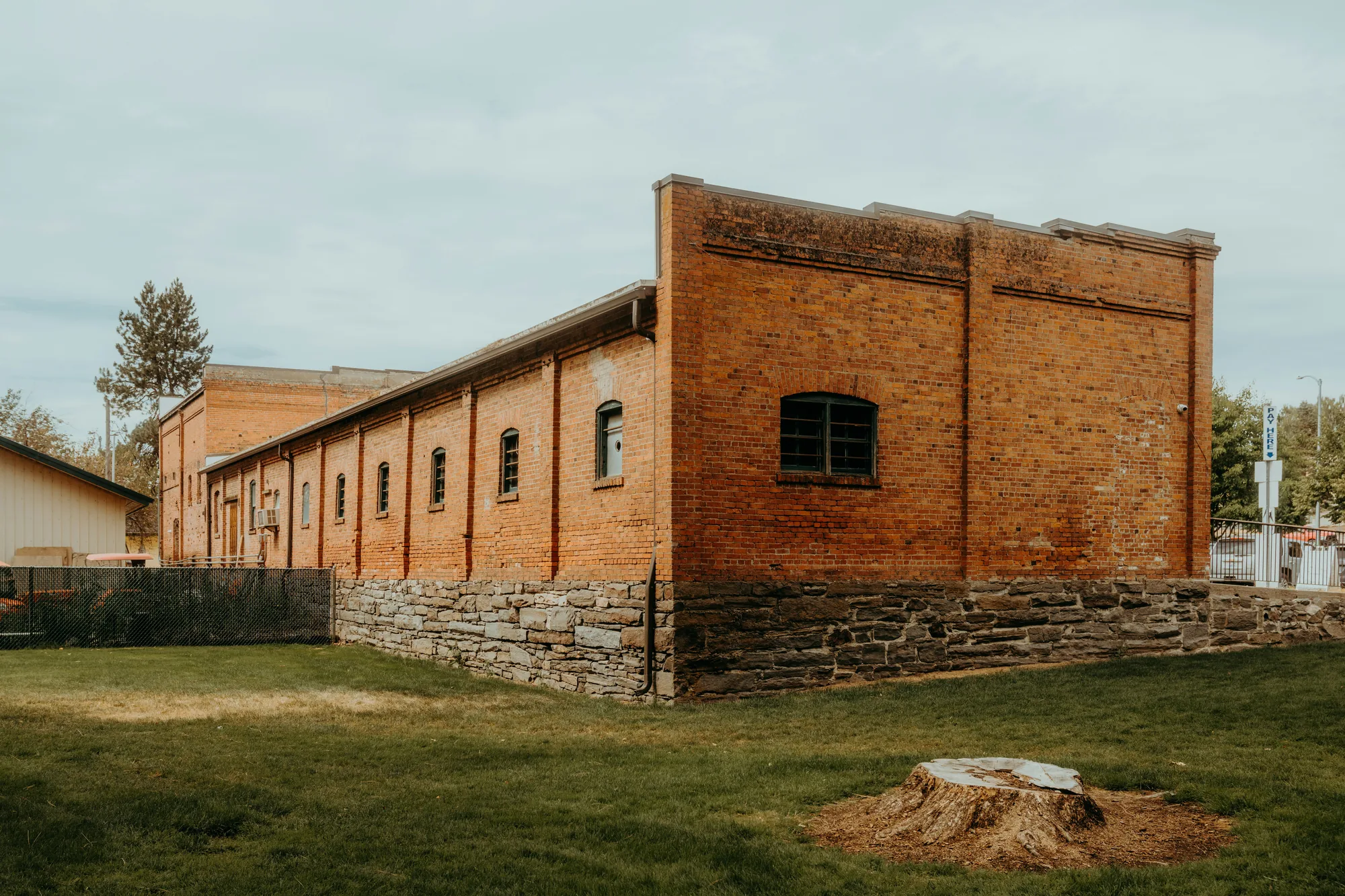


Ready for a local home inspection in Rensselaer County?
Send one free request. We review it and route it to a NACHI-certified inspector who serves Rensselaer County, who may then contact you with a quote.