
Capital Region
Get a Local Home Inspection in Saratoga County, NY
One short form connects buyers, sellers and owners in Saratoga County with a NACHI-certified inspector who lists the area. It is free and there is no obligation. Whether you searched for Home Inspection Saratoga Springs or simply need a qualified inspector near you, you are in the right place.
- Inspectors listed
- 5
- City pages
- 0
- To request
- Free
Saratoga County stretches from the dense, historic streets of downtown Saratoga Springs out through fast-growing suburban communities like Clifton Park and Ballston Spa, up into quieter, more rural stretches near Corinth and the Adirondack foothills, and across lakefront communities like Ballston Lake. That range is exactly why home inspections here aren't one-size-fits-all. A 19th-century rowhouse a few blocks from Saratoga Springs' downtown faces a different set of questions than a 1980s raised ranch in Clifton Park, and both are different again from a well-and-septic farmhouse outside Corinth.
This page is designed to help you understand what buying or selling a home in Saratoga County actually involves from an inspection standpoint: the kinds of housing stock you'll run into, the systems and structural issues that tend to show up in homes of different ages and types, what New York State requires of the inspector you hire, and how the inspection process fits into a typical closing timeline. Whether you're a first-time buyer trying to understand what you're walking into, a current homeowner doing preventive due diligence, or a seller trying to anticipate what an inspector will flag, the goal here is practical, locally grounded information rather than generic filler.
This page lists NACHI-certified home inspectors serving Saratoga Springs, Clifton Park, Ballston Spa, Corinth, Ballston Lake, and the surrounding towns. Use the form elsewhere on this page to get connected with an inspector in your area; everything below is meant to help you ask better questions and understand what you're reading once you have a report in hand.
What We Do: Connecting Saratoga County Property Owners With Local Inspectors
Inspecverse is a New York inspection directory and referral service. When you need a local home inspection in Saratoga County, you fill out one short request with the property type, address and timing, and we review it and route it to a NACHI-certified inspector who lists Saratoga County in their service area. The inspector, not Inspecverse, performs the inspection and writes the report.
That keeps the first step simple for buyers, sellers and owners in Saratoga County, NY: no cold-calling a list of strangers, no guessing who actually drives to your street, and no cost to submit a request. Right now 5 NACHI-certified inspectors are listed for Saratoga County on this page.
- Residential: single-family houses, condos, co-ops, townhomes and small multi-family buildings.
- Commercial: offices, retail, mixed-use, light industrial and investment property.
- Add-on testing you can ask about: radon, well water, septic and wood-destroying insects.
What Makes Us Better Than a Generic "Home Inspector Near Me" Search
A generic search for a home inspector near Saratoga County returns ads, national lead sites and inspectors who may be an hour away. Inspecverse is built only for New York and organized county by county and city by city, so the inspectors listed for Saratoga County are the ones who say they serve it.
- New York only. Every page, including this one, is written around New York housing and New York inspection rules.
- Local pages, real detail. The guide below covers housing, climate and systems that matter in Saratoga County specifically.
- Residential and commercial. One directory for a starter home, a rental building or a storefront.
- Straight talk. We explain what to check yourself instead of promising outcomes we cannot control.
Directory
Home Inspectors Serving Saratoga County
5 NACHI-certified inspectors
Michael Heath
New Vizion Home Inspections, LLC
Certified Professional Inspector®
Jeffrey Detrick
J.C.G. Footprints llc Home Inspection
Certified Professional Inspector®
Tyler Mayer
Right Way Home Inspectors
Certified Professional Inspector®
Paul K. Willig
Upstate Certified Inspections LLC
Certified Professional Inspector®
John Hearn
Expert Building Inspection
Certified Professional Inspector®
Contact details stay private. Send one request and we route it to an inspector who serves Saratoga County.
Request a QuoteWhat a Home Inspection in Saratoga County Covers
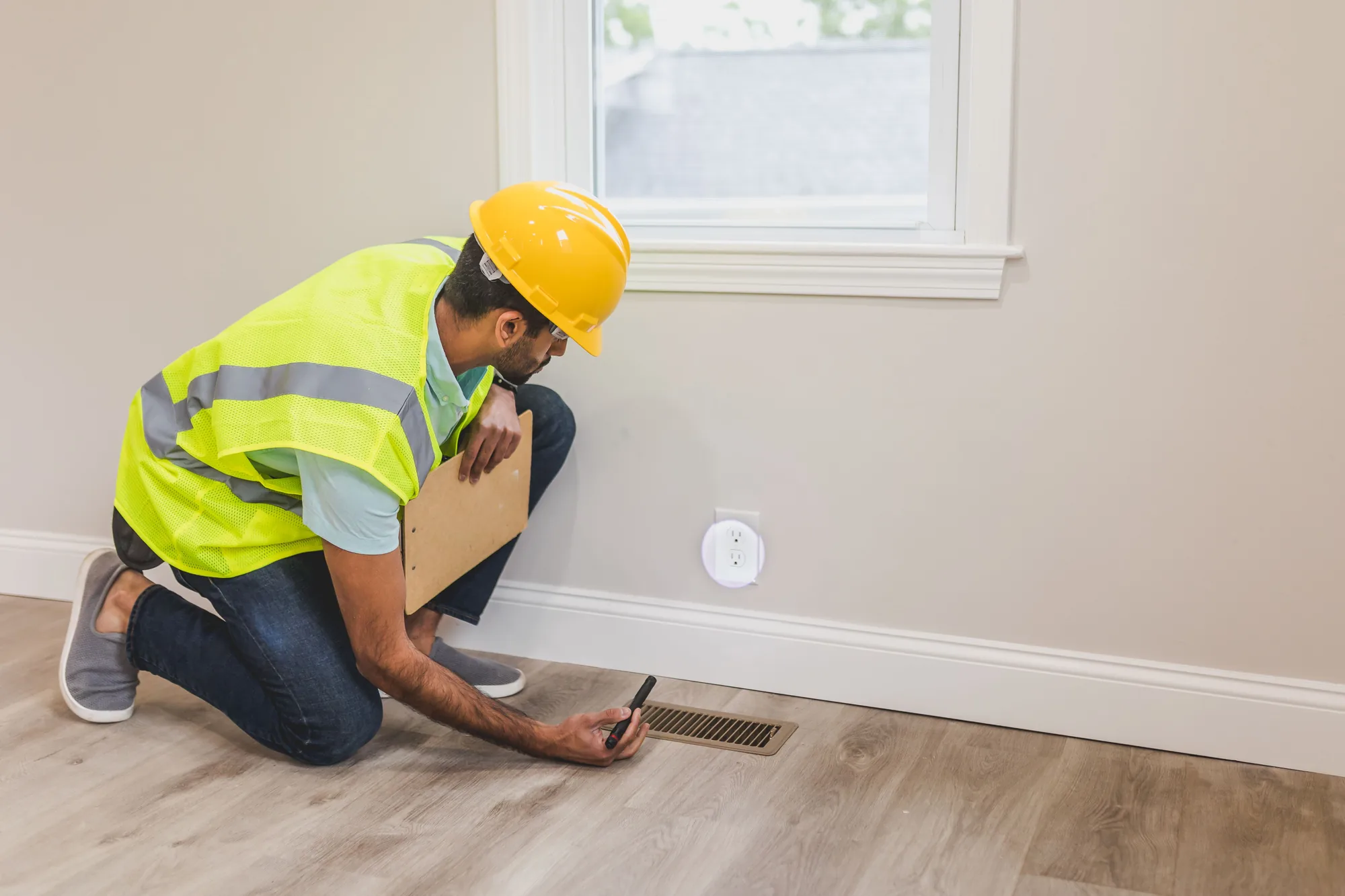
Under New York's home inspection law, a home inspection is a visual, non-invasive examination of a home's readily accessible systems and components. In practice, a standard home inspection in Saratoga County, NY looks at:
- Structure: foundation, framing, basement or crawlspace.
- Exterior and roof: roof covering, flashing, gutters, siding, grading and drainage.
- Plumbing: supply and drain lines, fixtures and the water heater.
- Electrical: service panel, branch wiring, outlets and safety devices.
- Heating and cooling: furnace or boiler, distribution and visible ductwork.
- Interior, attic and insulation: walls, ceilings, floors, windows, doors and ventilation.
Inspectors do not open walls or move the seller's belongings, so anything hidden or inaccessible is outside the scope.
Why Saratoga County Homeowners Use Our Directory
Inspection contingencies often run on tight timelines, and the last thing a buyer needs is a week of phone tag. With Inspecverse, one request reaches an inspector who already lists Saratoga County, which saves the back-and-forth of finding out who actually covers your address.
We keep it honest, too. We show each listed inspector's name and InterNACHI credentials, we never publish personal contact details, and we never charge you to ask for a quote. If you are comparing options for a home inspection in Saratoga County, NY, this page gives you the local context and the next step in one place.
What to Consider Before You Book a Home Inspection in Saratoga County
- An active New York license. Home inspectors in New York must be licensed by the Department of State under Article 12-B of the Real Property Law. Ask for the license number and look it up before the inspection.
- Liability insurance. New York requires licensed home inspectors to carry general liability insurance of at least $150,000 per occurrence and $500,000 in the aggregate. Ask for the certificate.
- A sample report. A good report is organized, photo-documented and clear about what is a safety issue, what needs repair and what is routine maintenance.
- Scope and add-ons. Radon, well water, septic and wood-destroying insect checks are often separate services. Mold assessment in New York requires a separate Mold Assessor license.
- Timing. Line up your home inspection in Saratoga County, NY early in your contingency window so there is time to bring in a specialist if the inspector recommends one.
What Inspectors Watch for in Saratoga County
Older housing stock, long heating seasons and rural lots shape inspections in Capital Region. Expect attention to heating systems, chimneys, roof wear, attic ventilation, basement moisture and, where present, wells and septic systems.
Farmhouses and older village homes can have a mix of original and updated systems, so tell us the approximate age of the property when you request your local home inspection in Saratoga County.
Need a home inspection near Saratoga County?
Residential or commercial. Free to request, no obligation.
Inspections for Commercial and Investment Property Near Saratoga County
Investors and business owners in Saratoga County use the same simple form. Pick commercial, describe the property, and note any lender or due-diligence deadline.
Commercial scopes vary much more than residential ones, so expect the inspector to confirm exactly what is included, and whether specialists such as roofers or engineers are needed, before quoting.
From Request to Report: How Your Saratoga County Inspection Comes Together
Most people come to this page because they need a home inspection near Saratoga County soon. The process is short: you submit one request, we pass it to an inspector who serves the area, and that inspector contacts you with a quote and a time.
On inspection day, plan for a few hours depending on the size and age of the property. The written report follows, and that report, not a verbal summary, is what you and your agent will rely on for any repair request.
Home Inspection Near Saratoga County: Communities We Cover
This page is your starting point for a home inspection near Saratoga County anywhere in Saratoga County, NY. If your town is not named, send a request with your address and we will check which listed inspectors serve it.
Saratoga County is part of the Capital Region region, so you will also find links to nearby counties at the bottom of this page if your property sits close to a county line.
New York Home Inspection Rules Saratoga County Buyers Should Know
New York is one of the states that licenses home inspectors. Under Article 12-B of the Real Property Law, anyone performing a home inspection for pay must hold a license from the Department of State. Licensed inspectors must also carry general liability insurance of at least $150,000 per occurrence and $500,000 in the aggregate.
Licensing does not cover every specialty. Mold assessment needs a separate New York Mold Assessor license, and some tests, such as lab water analysis, are handled by others. Before your home inspection in Saratoga County, NY, ask for the license number and confirm it with the Department of State.
Pricing Your Saratoga County Inspection: What Moves the Number
Quotes for a home inspection in Saratoga County, NY vary with square footage, age, the number of units and any add-on testing you request. A century-old house with a full basement and a detached garage will take longer than a newer condo, and that shows up in the quote.
Ask each inspector exactly what their quote includes. A slightly higher price that includes radon testing or a sewer scope may be better value than a bare-bones inspection.
Local guide
The Saratoga County Home Inspection Guide
Housing, climate, systems and New York rules that shape a home inspection in Saratoga County, written for buyers and sellers.
Understanding Saratoga County's Housing Landscape
Saratoga County is one of those places where the housing stock tells the story of the region's growth in distinct waves. The older core, centered on Saratoga Springs, developed heavily around the city's 19th- and early 20th-century identity as a resort and spa destination, which left behind a meaningful concentration of pre-1940s homes, roughly a quarter of the city's housing by some estimates, well above the county-wide share. Move outward into towns like Clifton Park, and the story shifts to a mid-to-late 20th-century suburban boom, with median construction dates often landing in the 1980s. Head toward Corinth and the more rural northern and western parts of the county, and you'll find a mix of older farmhouses and mill-town housing alongside newer infill.
For a buyer, this matters because the inspection priorities for a home built in 1910 are genuinely different from those for a home built in 1995, and a home inspector working across this county needs to be comfortable moving fluidly between both. For a seller, it means understanding which era your home falls into can help you anticipate what's likely to come up in a buyer's inspection report before it becomes a surprise during negotiations.
A Brief History of Growth and Development in the County
Saratoga County's development didn't happen in a single, even wave. Saratoga Springs grew early and prominently around its mineral springs and racing history, producing a historic downtown core with correspondingly older housing stock, much of it wood-frame construction with masonry or stone foundations typical of that period. As the 20th century progressed and the region's economy diversified, growth pushed outward along transportation corridors, giving rise to the suburban expansion visible today in places like Clifton Park and Ballston.
More recently, the county has continued to grow as part of the broader Capital Region's expansion, particularly as technology and manufacturing investment in the area has drawn new residents. That means you'll find active new construction alongside homes that are well over a century old, sometimes on the same street, which is part of what makes a knowledgeable local inspector valuable: they've likely seen both extremes and everything in between.
Pre-1940s Homes Near Saratoga Springs' Historic Core
Homes from this era, concentrated especially around downtown Saratoga Springs, often feature original wood or early plaster-and-lath interior finishes, older foundation types (stone, brick, or early poured concrete), and electrical and plumbing systems that have typically been updated at least once but may still retain original elements in parts of the structure. Buyers of these homes should expect a more detailed inspection conversation around what's been modernized versus what remains original.
Mid-Century and Later Suburban Construction
Homes built from the 1960s through the 1990s, common throughout Clifton Park, Ballston, and similar towns, generally reflect more standardized, code-compliant construction practices of their era, though each decade brought its own quirks (aluminum wiring in some 1960s-70s homes, for example, or specific insulation and window technologies typical of the period) worth understanding before you buy.
Common Architectural and Building Types You'll Encounter
Because Saratoga County spans historic urban neighborhoods, sprawling suburban subdivisions, and rural countryside, the range of housing styles is wider than in many single-character counties. Understanding which type you're looking at helps frame what an inspector will focus on.
Colonials and Farmhouses
Traditional colonial-style homes and older farmhouses are common throughout the county's more rural and semi-rural areas, including around Corinth and other outlying towns. These often come with additional outbuildings, barns, or sheds that may fall outside a standard inspection scope but are worth asking about, along with questions about how additions or renovations over the years were tied into the original structure.
Raised Ranches and Split-Levels
Raised ranches and split-level homes are a staple of the mid-century suburban boom visible in towns like Clifton Park and Ballston Spa. These designs come with their own inspection considerations, particularly around the lower-level living space (which may have been a garage or unfinished area originally converted to living space) and how that conversion handled moisture, insulation, and egress.
Cape Cods and Post-War Starter Homes
Smaller Cape Cod-style homes, often built as efficient post-war housing, appear throughout the county and are popular with first-time buyers. Many have had attic spaces finished into additional bedrooms over the years, which an inspector will typically evaluate for proper insulation, ventilation, and structural support.
Newer Construction and In-Fill Development
Especially in growth corridors near Clifton Park and Malta, newer single-family homes and townhome-style developments reflect current building codes and materials. These generally present fewer major structural surprises, but buyers shouldn't skip the inspection; newer homes can still have installation defects, warranty-relevant issues, or builder shortcuts worth catching early.
Radon: A Real Regional Consideration, Not a County-Wide Guarantee
Radon is a naturally occurring radioactive gas that comes up from certain soil and bedrock conditions, and it's a documented concern across parts of New York State, including areas in the broader upstate and Adirondack-adjacent region that Saratoga County sits within. Because radon potential depends heavily on local geology, soil composition, and even the specific foundation and ventilation characteristics of an individual home, it genuinely varies lot to lot, not just county to county.
Rather than relying on a general statistic about the county as a whole, the most reliable thing any buyer or homeowner here can do is get an actual radon test performed on the specific property in question. It's a relatively quick and affordable add-on to a standard inspection, and the EPA and New York State both recommend testing as standard practice for any home purchase, regardless of what general regional patterns might suggest.
Why Testing Beats Guessing
Radon levels can differ significantly between two houses on the same street, let alone across a county as geographically varied as Saratoga. A short-term test during your inspection period, or a longer-term test after move-in, gives you an actual measured number for your actual home rather than a regional estimate that may not apply to your specific foundation, soil, or construction type.
What Happens If a Test Comes Back Elevated
An elevated radon reading isn't a reason to walk away from an otherwise good house. Radon mitigation systems, typically a vent pipe and fan system installed by a qualified contractor, are a well-established and generally straightforward fix. Many New York home purchase contracts also allow for radon findings to factor into negotiations if a test is completed during the inspection period.
Older Homes: Lead Paint, Asbestos, and Pre-Code Systems
Given the meaningful concentration of pre-1978 housing in and around Saratoga Springs and other older parts of the county, lead-based paint and asbestos-containing materials are genuinely relevant considerations for many buyers here, not abstract hypotheticals. Homes built before 1978 may contain lead-based paint, particularly on trim, doors, and windows, and homes built before the 1980s may contain asbestos in certain insulation, flooring, or pipe-wrapping materials.
A standard general home inspection does not typically test for either of these specifically; they usually require separate, specialized testing if you want a confirmed answer. For older homes throughout this county, it's worth discussing with your inspector or agent whether a lead or asbestos assessment makes sense given the home's age and condition, especially if you plan renovations that would disturb old paint or insulation.
Lead Paint Disclosure Requirements
Federal law requires sellers of homes built before 1978 to disclose known lead-based paint hazards and provide buyers with an EPA-approved informational pamphlet, along with the opportunity to conduct a lead inspection or risk assessment before becoming obligated under the contract. This applies broadly across the older housing stock concentrated in Saratoga Springs and other historic parts of the county.
Asbestos in Pre-1980s Materials
Common locations for asbestos in older area homes include certain floor tiles and their adhesive, pipe and boiler insulation, and some older roofing or siding materials. Intact, undisturbed asbestos-containing material is generally not considered an immediate hazard, but it becomes a real concern during renovation work, which is why identifying it before you start tearing into an older home matters.
Knob-and-Tube and Early Electrical Systems
Some of the oldest homes in the county's historic cores may retain remnants of knob-and-tube wiring, an early electrical system that is generally considered outdated by modern safety and insurance standards. Many insurers require updated wiring before issuing a policy, so confirming the electrical system's condition and history is a priority inspection item for older homes.
Well Water and Septic Systems: More Common Than You Might Expect
Saratoga County's mix of dense municipal centers and more rural, lakefront, and outlying areas means private wells and septic systems are a genuine reality for a significant share of county residents, not a rare edge case. Research using USGS groundwater modeling has estimated tens of thousands of county residents rely on private wells, and documented local cases, such as the long-running septic-to-sewer conversion efforts around Ballston Lake, driven specifically by soil conditions unsuitable for private septic systems, illustrate that this isn't a theoretical concern.
If you're buying anywhere outside the core municipal water and sewer districts of Saratoga Springs, Ballston Spa, or parts of Clifton Park, it's wise to assume well and septic until you've confirmed otherwise, and to budget for the additional testing and inspection that comes with each.
What a Well Water Test Should Cover
A thorough well water test typically checks for bacteria (including coliform), along with common regional concerns like nitrates, and may include testing for specific contaminants based on known local groundwater characteristics. Flow rate and water pressure performance under load are also worth confirming, since a well that produces adequate water during a quick showing may behave differently under sustained household use.
Septic System Inspections and Soil Conditions
A standard home inspection usually does not include a full septic evaluation. A dedicated septic inspection typically involves locating the tank and distribution system, checking for signs of system failure or surfacing effluent, and testing function under a water load. Given documented local cases where lakefront and certain soil conditions have caused septic systems to underperform, this is a particularly worthwhile investment for buyers in Saratoga County's more rural and lakefront areas, including around Ballston Lake.
Areas Transitioning from Septic to Municipal Sewer
Some parts of the county, notably sections of Ballston Lake, have moved or are moving from private septic to municipal sewer service specifically because of water-quality and soil-suitability concerns. If you're buying in an area undergoing this kind of transition, ask directly about the current connection status, any required hookup costs, and whether special district fees or assessments apply to the specific property.
Flood Zones and Water Exposure Considerations
Saratoga County includes areas near rivers, creeks, and lakes, including portions near the Hudson and Mohawk river corridors and lakefront communities like Ballston Lake and Saratoga Lake. Flood zone status varies significantly by specific parcel and is not something you should assume based on general county geography; it's determined by FEMA flood maps for the exact property in question.
If you're considering a property near water, confirming its flood zone designation early, ideally before you're deep into a purchase contract, is important both for insurance cost planning and for understanding any history of water intrusion the home may have experienced.
Checking FEMA Flood Maps Before You Buy
FEMA flood maps are publicly available and show flood zone designations by specific address. This is worth checking early in your home search for any property near Saratoga Lake, the Hudson or Mohawk rivers, or smaller creeks and waterways throughout the county, since flood insurance requirements and costs can vary meaningfully based on designation.
Signs of Past Water Intrusion an Inspector Will Look For
Regardless of official flood zone status, an inspector will generally look for signs of past water issues: staining or efflorescence on basement or foundation walls, musty odors, sump pump presence and condition, and grading around the home that could direct water toward or away from the foundation.
Foundation and Basement Types Common to This Region
Foundation types across Saratoga County vary by era and by the specific soil and water-table conditions of each area. Older homes, particularly in Saratoga Springs' historic sections, often have stone, brick, or early poured concrete foundations. Mid-century and later suburban homes more commonly have poured concrete or concrete block foundations with full or partial basements, while some raised ranches and split-levels use a partial basement or crawlspace configuration.
Given the region's climate, with real winter freeze-thaw cycles, foundation inspections throughout this county often focus on how well a structure has handled decades of seasonal ground movement, moisture, and frost.
Fieldstone and Early Masonry Foundations
Older stone or early masonry foundations, found in some of the county's oldest homes, can be structurally sound but tend to show mortar deterioration over time and may require more frequent moisture management attention than poured concrete alternatives.
Poured Concrete and Block Foundations
The majority of mid-to-late 20th-century and newer homes throughout the county use poured concrete or concrete block foundations. Common inspection points include settlement cracking, efficacy of waterproofing or drainage systems, and sump pump function in homes with a history of groundwater intrusion.
Crawlspaces in Certain Home Styles
Some ranch-style and split-level homes throughout the county use crawlspace foundations rather than full basements. Inspectors typically check these for moisture control, insulation condition, and signs of pest activity, since crawlspaces are more prone to humidity-related issues than conditioned basement space.
HVAC and Heating Systems Typical of the Area
Given the region's genuinely cold winters, heating system condition and type matter a great deal to home value and buyer comfort throughout Saratoga County. The mix of housing eras here means you'll encounter everything from older oil or early gas furnace systems in historic homes to more modern forced-air and heat pump systems in newer construction.
Because heating failure during an upstate New York winter is a serious and costly problem, not a minor inconvenience, HVAC evaluation is consistently one of the most important parts of any inspection in this county.
Older Oil Heat and Converted Systems
Many older homes throughout the county, particularly in and around Saratoga Springs, were originally built with oil heat, and some retain oil tanks either in a basement or buried underground on the property. Buried oil tanks in particular are worth specific attention, since environmental remediation costs for a leaking underground tank can be significant; many inspectors recommend confirming tank location, age, and condition as a specific inspection item for older properties.
Forced-Air Gas Furnaces in Suburban Homes
Natural gas forced-air systems are common throughout the county's suburban housing stock, particularly in Clifton Park and similar towns. Inspection priorities typically include furnace age and expected remaining service life, condition of ductwork, and function of the thermostat and any zoning controls.
Newer Heat Pump and High-Efficiency Systems
Newer construction and recently renovated homes throughout the county increasingly feature heat pump systems or high-efficiency furnace and boiler units. These generally present fewer age-related concerns but still warrant standard function testing and a check of installation quality and any manufacturer warranty documentation.
Common Defects Found in Saratoga County Homes
Every home is different, but certain patterns show up repeatedly across inspections in this county, often correlating closely with the home's era and construction type discussed above.
Roofing Wear from Winter Weather Cycles
Real New York winters mean roofing systems throughout the county take a genuine beating from snow load, ice dams, and freeze-thaw cycling. Inspectors commonly look for shingle wear patterns consistent with age, signs of past ice dam damage along eaves, and flashing condition around chimneys and roof penetrations.
Electrical Panel and Wiring Updates
Especially in older homes throughout the county's historic areas, electrical panel capacity and wiring type are frequent discussion points. Many homes have been partially or fully updated over the decades, but confirming the full scope and quality of any past electrical work is a standard and important inspection focus.
Basement and Crawlspace Moisture
Given the region's water table conditions and seasonal precipitation patterns, basement and crawlspace moisture management is one of the most consistently flagged issues across home ages and types throughout the county.
What a Buyer's Inspection Process Looks Like in Saratoga County
For most buyers purchasing a home in this county, the inspection happens after an accepted offer but before the purchase contract becomes fully binding, typically within a negotiated inspection contingency period defined in the contract. The inspector examines the home's major systems and structural components and provides a written report, usually within a day or two of the inspection itself.
From there, buyers typically review the report, consult with their agent and, where relevant, specialist contractors on anything significant, and then decide whether to proceed as-is, request repairs or a credit, or in some cases exercise a contractual right to withdraw based on the findings.
Scheduling Around New York's Attorney Review Process
In much of upstate New York, including Saratoga County, real estate contracts commonly go through an attorney review period that works alongside the inspection contingency. Coordinating your inspection scheduling with your attorney and agent helps ensure you have the information you need before contract deadlines pass.
What to Expect on Inspection Day
Buyers are generally encouraged to attend their own inspection when possible, since walking through the home with the inspector and asking questions in real time is often more valuable than reading the report alone afterward. Expect the inspector to examine the roof, exterior, structure, electrical, plumbing, heating and cooling systems, and interior condition, with additional specialized tests like radon, water, or septic evaluation scheduled separately if requested.
What a Seller's Pre-Listing Inspection Can Accomplish
While not required, some sellers throughout Saratoga County choose to get a pre-listing inspection before putting a home on the market. This can surface issues early, giving the seller time to make repairs on their own terms and schedule rather than scrambling during a tight negotiation window, and it can also support a smoother transaction by reducing surprises during the buyer's own inspection.
This is particularly worth considering for older homes in historic parts of the county, where buyers are likely to have heightened scrutiny around age-related systems and may appreciate transparency about what has and hasn't been updated.
New York State Licensing Requirements for Home Inspectors
New York State requires home inspectors to be licensed through the Department of State's Division of Licensing Services, under Article 12-B of the Real Property Law. This isn't an optional credential; performing home inspections for compensation in New York without a valid license is against state law, with limited exemptions for certain licensed design professionals acting within their own scope of practice.
To become licensed, an applicant generally must complete an approved course of study, which includes a minimum number of classroom hours along with a required number of supervised field inspections, or alternatively complete a specified number of supervised home inspections directly. Applicants must then pass a qualifying examination, submit a completed application and fee to the Department of State, and meet the state's character and background requirements.
Once licensed, inspectors must complete continuing education within each two-year renewal cycle to keep their license active. This matters directly to you as a buyer or seller: a current, active license is a baseline credential you should always confirm before hiring anyone to inspect a home in this county.
Education and Experience Pathways
New York offers more than one path toward licensure eligibility, generally either completing a state-approved training course that includes supervised field inspection hours, or accumulating a required number of supervised home inspections performed under a licensed inspector. Both pathways are designed to ensure inspectors enter practice with real, hands-on exposure to actual homes, not just classroom theory.
The Licensing Exam
Candidates must pass a qualifying exam to become licensed, with the state generally recognizing either a nationally administered home inspector exam or New York's own state-specific exam option. This exam step is a required gate regardless of which education or experience pathway a candidate pursued.
Continuing Education and Renewal
New York requires licensed home inspectors to complete continuing education hours during each renewal cycle to keep their license active. This ongoing requirement is meant to keep inspectors current on evolving building systems, materials, and best practices, which is particularly relevant in a county like Saratoga with such a wide range of home ages and construction types.

What NACHI Certification Adds on Top of State Licensing
State licensing is the legal floor every New York home inspector must meet, but certification through organizations like the International Association of Certified Home Inspectors (NACHI) represents an additional layer of training, standardized practice, and ongoing professional education many inspectors pursue voluntarily. NACHI-certified inspectors generally commit to a defined standard of practice and code of ethics alongside continued education requirements.
When you're comparing inspectors in Saratoga County, a NACHI certification alongside an active New York State license is a reasonable signal of an inspector who has invested meaningfully in their craft beyond the state's minimum requirements, though it's never a substitute for checking reviews, asking about local experience, and confirming the state license itself.
How to Choose the Right Home Inspector in Saratoga County
With housing stock ranging from 19th-century homes in downtown Saratoga Springs to brand-new construction in growth corridors near Clifton Park, choosing an inspector with genuine familiarity across that range matters more here than it might in a more uniform market.
Beyond confirming an active New York State license and any additional certifications like NACHI, it's worth asking a prospective inspector directly about their experience with homes of your specific era and type, whether they offer or coordinate ancillary services like radon, well water, or septic testing, how detailed their written report is (photo documentation and clear explanations matter), and what their availability looks like relative to your contract deadlines.
Questions Worth Asking Before You Hire
Consider asking how many years they've worked in Saratoga County specifically, whether they've inspected homes similar in age and style to the one you're buying, what's included in their standard report versus what costs extra, and how quickly you'll receive the written report after the inspection itself.
Reading Reviews and Verifying Credentials
Checking an inspector's license status through the New York Department of State's public lookup takes just a few minutes and is a reasonable first step before relying on reviews alone. From there, genuine client reviews that mention specific local experience, communication quality, and report thoroughness tend to be more useful than generic star ratings.
Typical Home Inspection Costs in Saratoga County
As a general estimate for 2025-2026, a standard single-family home inspection in this region tends to fall in a mid-to-high hundreds of dollars range, though the exact number depends heavily on square footage, the home's age and complexity, and which additional services you add on. Larger homes, older homes with more systems to document, and properties with wells, septic systems, or outbuildings generally cost more to inspect thoroughly than a smaller, newer, municipally serviced home.
Ancillary services like radon testing, well water testing, septic inspection, and wood-destroying insect (termite) inspection are typically priced separately from the core home inspection. Given how common well, septic, and older housing stock are throughout parts of this county, many buyers here end up budgeting for at least one or two of these add-ons alongside the base inspection. Treat every number here as a general planning estimate, not a quote; always get a specific, written estimate from the inspector based on your actual property before committing.
What Affects the Price
Square footage is usually the biggest single driver of base inspection cost, followed by the home's age and system complexity, whether it has a basement, crawlspace, or multiple structures, and your specific location within the county relative to the inspector's travel radius.
Add-On Services Worth Budgeting For
Depending on the specific property, consider budgeting separately for radon testing (relevant almost everywhere, given geological variability), well water testing (essential for the county's many private-well properties), septic inspection (important throughout rural and lakefront areas), and wood-destroying insect inspection, which some lenders require.
Spotlight: Saratoga Springs
As the county's largest city and historic anchor, Saratoga Springs presents the widest range of housing ages and conditions you'll find in the county, from 19th-century homes near the downtown historic district to mid-century and newer construction on the city's outskirts. With roughly a quarter of its housing stock predating the 1940s according to available estimates, well above the county-wide share, buyers here should expect inspections to spend meaningful time on original foundation materials, electrical and plumbing update history, and potential lead paint or asbestos considerations in untouched original finishes. The city is largely served by municipal water and sewer, which removes well and septic concerns for most in-city properties, but older home systems and historic preservation considerations (for homes within designated historic districts) are genuinely relevant here in a way they aren't everywhere else in the county.
Spotlight: Clifton Park
Clifton Park represents the county's suburban growth story, with a housing stock median construction date in the 1980s, notably newer than the county average. Homes here tend to be raised ranches, colonials, and split-levels from the suburban development boom, generally built to more standardized, modern code than the older homes found near Saratoga Springs. Most of Clifton Park is served by municipal water, though pockets of the town, including areas affected by documented well-quality and yield issues that have prompted extensions of municipal water lines in recent years, still rely on private wells. Buyers here should still take inspections seriously despite the newer average age; even well-built suburban homes from this era can have aging roofing, original HVAC systems reaching the end of typical service life, or installation quality issues worth catching before closing.
Spotlight: Ballston Spa
As the county seat and a historic village with its own distinct 19th-century core, Ballston Spa combines some of the same older-housing considerations found in Saratoga Springs with a smaller-town scale and character. Expect a meaningful presence of older wood-frame homes with original or updated foundations, where confirming the history and quality of past electrical and plumbing updates is a genuinely useful inspection focus. The village's more developed core is generally served by municipal utilities, while surrounding areas of the broader town may rely more on private wells and septic, so confirming which utility situation applies to a specific property early in your search is worthwhile here.
Spotlight: Corinth
Corinth sits in the more rural, northern part of the county, closer to the Adirondack foothills, with a housing stock that reflects an older mill-town history alongside more rural residential development. Median construction dates here trend notably older than suburban parts of the county, which means buyers should anticipate more original systems, older foundation types, and genuine well-and-septic prevalence outside the village's more developed core. Given the terrain and the area's distance from dense municipal infrastructure, confirming well water quality and septic system condition is particularly important groundwork for any purchase in and around Corinth, and buyers should expect inspections here to lean more heavily into those specialized tests than a typical in-town Saratoga Springs inspection would.
Spotlight: Ballston Lake
Ballston Lake is a distinctive case within the county: a lakefront community where septic system limitations tied to local soil conditions have been well-documented enough to drive a multi-year, multi-million-dollar public sewer conversion effort specifically because of water-quality degradation concerns around the lake. Buyers considering a home in this area should ask directly whether the specific property has connected to the newer sewer infrastructure or still relies on a private septic system, and if it's still on septic, treat a dedicated septic inspection as close to mandatory rather than optional, given the area's documented history. This is a clear example of why hyper-local knowledge matters more than county-wide generalizations when you're evaluating a specific property's utility situation.
Closing Timeline Considerations for Saratoga County Buyers
Inspection scheduling needs to work within your overall contract timeline, which in much of upstate New York, including this county, typically involves coordinating an inspection contingency period alongside an attorney review process. Because specialized tests like radon, well water, or septic evaluation sometimes take longer to schedule and return results than a standard inspection, it's worth discussing timing explicitly with your agent and inspector early rather than discovering a scheduling conflict close to a contract deadline.
If you're buying a property with well and septic, or an older home where you suspect you'll want lead or asbestos testing, build in extra lead time for those add-ons specifically, since they often require separate appointments or lab turnaround beyond the core inspection itself.
What Happens After the Inspection Report
Once you have your written inspection report, the real work is reading it carefully rather than skimming the summary page. Most reports distinguish between major structural or safety concerns and routine maintenance items; understanding that distinction helps you negotiate proportionately rather than treating every flagged item as equally urgent.
From there, New York buyers typically have several paths depending on what the contract allows and what the findings show: proceeding as-is, requesting a price credit or seller-funded repairs, or in cases of serious undisclosed issues, exercising a contractual right to withdraw. Your attorney and agent are the right people to walk through your specific options once you know what the report says.
Final Thoughts for Saratoga County Buyers and Sellers
Saratoga County's genuine diversity, from historic Saratoga Springs rowhouses to newer Clifton Park suburbs, rural Corinth farmhouses, and lakefront Ballston Lake properties, means a one-size-fits-all approach to inspections doesn't serve you well here. The right move for any buyer or seller is working with a licensed, experienced local inspector who understands which questions matter for your specific property's age, location, and systems, and treating ancillary tests like radon, well water, and septic evaluation as genuinely worthwhile investments rather than optional extras, particularly outside the county's municipal cores.
Use the request form elsewhere on this page to connect with a licensed, NACHI-certified inspector serving your specific part of Saratoga County.
Home Inspection in Saratoga County: FAQ
How do I get a home inspection near Saratoga County, NY?
Send a free request through Inspecverse with your property address, property type and timing. We review it and route it to a NACHI-certified inspector who serves Saratoga County, who may then contact you with a quote. Right now 5 NACHI-certified inspectors are listed for Saratoga County on this page.
Does Inspecverse perform the inspection itself?
No. Inspecverse is a referral directory. The licensed home inspector you hire performs the inspection and writes the report. We do not license, insure or guarantee inspectors, so always confirm the inspector holds an active New York home inspector license before the inspection.
How much does a home inspection cost in Saratoga County?
As a general estimate, a standard inspection on an average single-family home in this region tends to fall somewhere in the mid-to-high hundreds of dollars for 2025-2026, with the final number depending on square footage, age, and whether you add services like radon testing, well-water testing, septic evaluation, or a termite/WDI inspection. Larger homes, homes on well and septic, and older farmhouses with outbuildings generally cost more to inspect thoroughly than a newer raised ranch or a smaller in-town home. Always treat any number you see online as a ballpark, not a quote, and ask each inspector for a written estimate based on your specific property.
Do I need radon testing if I'm buying a home in Saratoga County?
Radon potential varies by bedrock, soil, and even by individual lot, and parts of upstate New York near the Adirondack foothills and granite/rock-heavy terrain are known to produce elevated readings in some homes. Rather than assuming your specific result based on county-wide averages, the more reliable approach is a short-term or long-term radon test performed as part of or alongside your inspection. It's inexpensive relative to the rest of a real estate transaction and gives you an actual number for the actual house, which is far more useful than any general statistic.
Is well water and septic common in Saratoga County, or is it mostly municipal?
It's genuinely mixed, which is part of what makes this county interesting to inspect. Denser areas in and around Saratoga Springs, Ballston Spa, and parts of Clifton Park are largely on municipal water and sewer, while more rural and lakefront stretches, along with many outlying parts of the county, rely on private wells and septic systems. Ballston Lake is a well-documented example of a lakefront area that historically depended heavily on septic and has been transitioning parts of its shoreline to sewer specifically because of soil and water-quality concerns. If you're buying anywhere outside the main municipal cores, assume well and septic until you confirm otherwise, and budget for the specialized testing that comes with it.
What's the difference between a home inspection and an appraisal?
An appraisal estimates the property's market value for the lender; it does not evaluate the condition of the roof, furnace, electrical panel, or foundation in any meaningful depth. A home inspection is a physical, systems-by-systems evaluation of the house's condition performed by a licensed inspector, and it's the document that tells you what's actually wrong (or right) with the structure you're buying. You typically need both in a financed purchase, but they serve completely different purposes and are usually conducted by different professionals.
Are New York home inspectors required to be licensed?
Yes. New York State requires home inspectors to be licensed through the Department of State's Division of Licensing Services under Article 12-B of the Real Property Law. Licensure requires completing an approved course of study or a set number of supervised inspections, passing a qualifying exam, and maintaining continuing education to renew every two years. Always confirm an inspector's license is active before hiring them, which you can generally verify through the Department of State's public license lookup.
How long does a typical home inspection take in this area?
For an average single-family home, plan for roughly two to four hours on site, though older farmhouses, larger homes, properties with well and septic, or houses with additional structures like barns or detached garages common in this county can take longer. Ask your inspector directly, since their estimate for your specific property will be more accurate than any general range.
Should I get a separate inspection for the septic system?
In most cases, yes, especially anywhere in Saratoga County outside the municipal water and sewer cores. A standard general home inspection typically does not include a full septic system evaluation, which usually requires locating and uncovering the tank, checking for proper function under a water-load test, and sometimes pumping. Given how common private septic systems are in parts of this county, and given documented cases of older systems struggling with local soil conditions, a separate septic inspection is one of the better pieces of due diligence money you can spend before closing.
What should I do if the inspection finds problems?
First, read the full report rather than just the summary; many findings are minor maintenance items rather than deal-breakers. For anything significant, such as roof, foundation, electrical, or major system issues, it's reasonable to get a specialist's opinion on repair scope and cost before deciding how to proceed. From there, buyers in New York typically negotiate through a credit, a price adjustment, a seller-funded repair, or in some cases a renegotiation of the deal entirely, depending on what your purchase contract allows and how the findings compare to what was disclosed.
Home Inspection in Nearby Areas
Helpful Home Inspection Guides
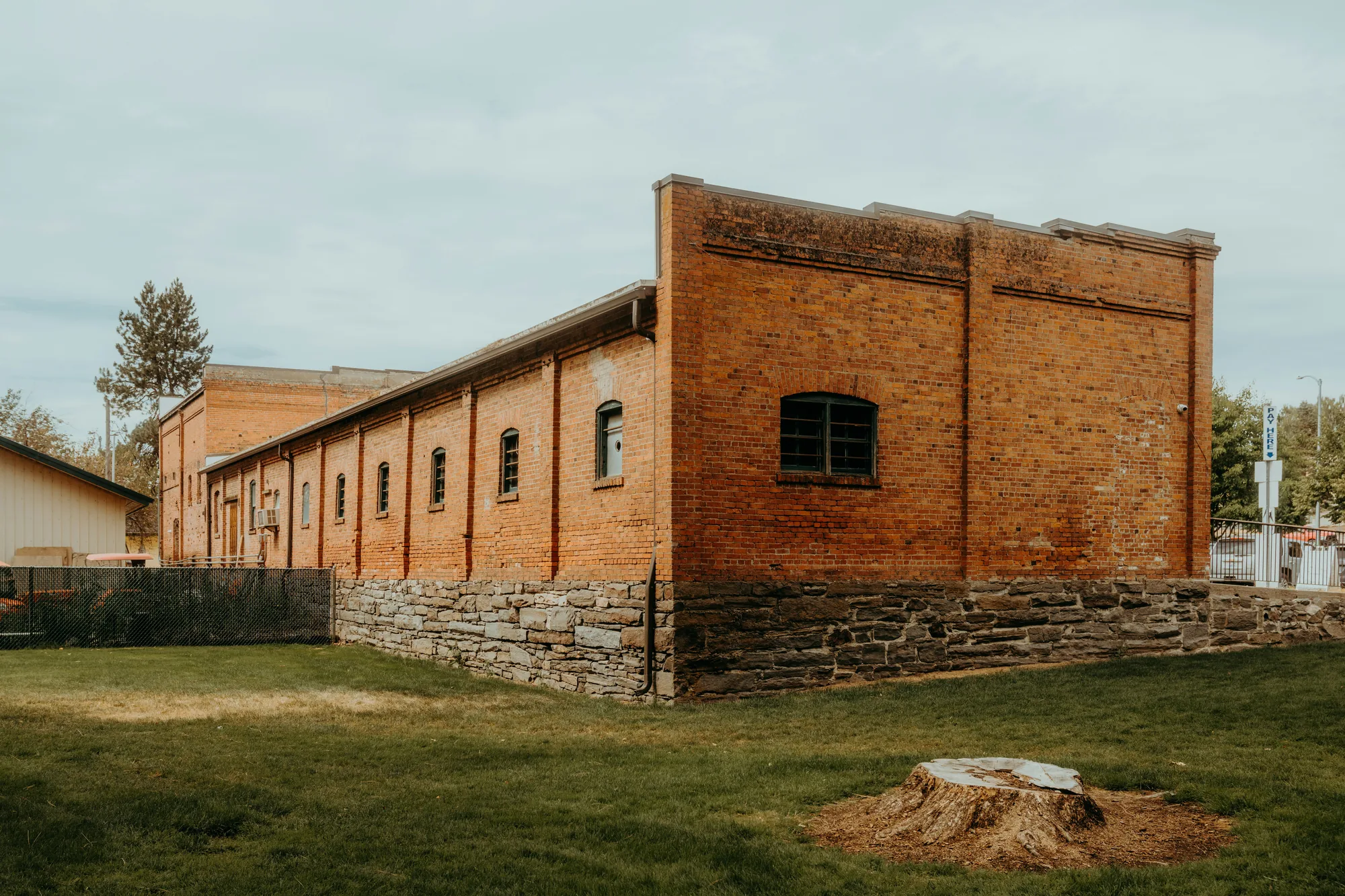

Ready for a local home inspection in Saratoga County?
Send one free request. We review it and route it to a NACHI-certified inspector who serves Saratoga County, who may then contact you with a quote.