
Western New York
Get a Local Home Inspection in Chautauqua County, NY
Compare the NACHI-certified inspectors listed for Chautauqua County, learn what New York requires of them, and request a free quote when you are ready.
- Inspectors listed
- 1
- City pages
- 0
- To request
- Free
Chautauqua County occupies the far southwestern corner of New York State, stretching from the Lake Erie shoreline down through rolling farmland and forested hills to the Pennsylvania border, with Chautauqua Lake carving through the middle of it all. It's a county of real geographic and architectural variety packed into one region: lakefront cottages and converted summer homes around Chautauqua Lake, dense turn-of-the-century neighborhoods in Jamestown, modest mid-century ranches scattered through the townships, and farmhouses that have stood through well over a century of Western New York winters. If you're buying, selling, or simply maintaining a home anywhere in this county, understanding what a qualified home inspector is actually looking for — and why it matters here specifically — makes the difference between a smooth transaction and an expensive surprise discovered after closing.
This guide is built around the realities of Chautauqua County's housing stock, climate, and infrastructure rather than generic inspection advice that could apply anywhere. We currently have 1 NACHI-certified home inspector listed serving this county, based in Ashville, a lakeside hamlet on the North Harmony–Busti town line near Chautauqua Lake. Whether you're closing on a lakefront property, a village house in one of the county's older neighborhoods, or a rural property on well and septic, the sections below walk through what New York State requires of licensed inspectors, what issues tend to show up in this region's housing, and how to think through the inspection process from first offer to closing day.
A note on scope: this page is informational content about the county and the inspection process in general. It does not list individual inspector contact details — if you're ready to connect with the NACHI-certified inspector serving this area, use the request form elsewhere on this page; we review each request and route it to that inspector, who may then contact you directly.
What We Do for Home Buyers and Sellers in Chautauqua County
Our job is the step before the inspection. You tell us what you need, whether that is a pre-purchase home inspection in Chautauqua County, NY, a check before you list, or a commercial property inspection, and we send your request to an inspector who serves Chautauqua County. That inspector may then contact you with a quote and, if you go ahead, schedule the visit with you.
We do not perform inspections, sell repairs, or work for either side of the deal. The directory exists so that finding a qualified home inspector near Chautauqua County takes one form instead of an afternoon of phone calls. Right now 1 NACHI-certified inspector is listed for Chautauqua County on this page.
Why Chautauqua County Homeowners Use Our Directory
Inspection contingencies often run on tight timelines, and the last thing a buyer needs is a week of phone tag. With Inspecverse, one request reaches an inspector who already lists Chautauqua County, which saves the back-and-forth of finding out who actually covers your address.
We keep it honest, too. We show each listed inspector's name and InterNACHI credentials, we never publish personal contact details, and we never charge you to ask for a quote. If you are comparing options for a home inspection in Chautauqua County, NY, this page gives you the local context and the next step in one place.
Directory
Home Inspectors Serving Chautauqua County
1 NACHI-certified inspector
Kevin Melquist
Cobblestone Inspections LLC
Certified Professional Inspector®
Contact details stay private. Send one request and we route it to an inspector who serves Chautauqua County.
Request a QuoteWhat Inspectors Watch for in Chautauqua County
Older housing stock, long heating seasons and rural lots shape inspections in Western New York. Expect attention to heating systems, chimneys, roof wear, attic ventilation, basement moisture and, where present, wells and septic systems.
Farmhouses and older village homes can have a mix of original and updated systems, so tell us the approximate age of the property when you request your local home inspection in Chautauqua County.

From Request to Report: How Your Chautauqua County Inspection Comes Together
Most people come to this page because they need a home inspection near Chautauqua County soon. The process is short: you submit one request, we pass it to an inspector who serves the area, and that inspector contacts you with a quote and a time.
On inspection day, plan for a few hours depending on the size and age of the property. The written report follows, and that report, not a verbal summary, is what you and your agent will rely on for any repair request.
What to Consider Before You Book a Home Inspection in Chautauqua County
- An active New York license. Home inspectors in New York must be licensed by the Department of State under Article 12-B of the Real Property Law. Ask for the license number and look it up before the inspection.
- Liability insurance. New York requires licensed home inspectors to carry general liability insurance of at least $150,000 per occurrence and $500,000 in the aggregate. Ask for the certificate.
- A sample report. A good report is organized, photo-documented and clear about what is a safety issue, what needs repair and what is routine maintenance.
- Scope and add-ons. Radon, well water, septic and wood-destroying insect checks are often separate services. Mold assessment in New York requires a separate Mold Assessor license.
- Timing. Line up your home inspection in Chautauqua County, NY early in your contingency window so there is time to bring in a specialist if the inspector recommends one.
What Makes This Directory Different in Western New York
Most inspection directories are national. Ours covers New York State only, Western New York included, and every location page is written around local housing and New York's inspection rules rather than recycled boilerplate.
We also say plainly what we are: a referral directory. We do not claim to license, insure or guarantee inspectors. New York's Department of State licenses home inspectors under Article 12-B of the Real Property Law, and this page shows you how to confirm a license yourself before you book a local home inspection in Chautauqua County.
Need a home inspection near Chautauqua County?
Residential or commercial. Free to request, no obligation.
Inspection Services Available in Chautauqua County
Inspectors who serve Chautauqua County offer different mixes of services, so tell us what you need in your request. Commonly requested services include:
- Pre-purchase home inspection for buyers under contract.
- Pre-listing inspection for sellers who want no surprises.
- New construction and phase inspections before drywall or before closing.
- Radon testing, commonly run for at least 48 hours.
- Well water and septic evaluations for properties off municipal systems.
- Wood-destroying insect (WDI) reports when a lender or buyer asks for one.
- Commercial property inspections for offices, retail and multi-family buildings.
Not every inspector offers every service; the one you are routed to will confirm what is included in your quote.
After the Inspection: Using Your Report in Chautauqua County
Your report will usually separate safety concerns, items needing repair and routine maintenance. Read the summary first, then the details and photos, and call the inspector with questions.
From there, buyers typically talk with their agent and attorney about repair requests or credits, and bring in a licensed contractor or specialist for anything the inspector flagged for further evaluation. Keep the report; it doubles as a maintenance checklist for your first years in the home.
Six Smart Questions Before You Hire Near Chautauqua County
Ask for the license number, a sample report and proof of insurance. Ask how long the inspection will take and when the report will arrive. Ask what is not included, especially radon, well, septic, sewer lines and mold, and how they handle items that need a specialist.
Finally, ask about local experience. Older housing, private wells and harsh winters all show up in Western New York, and an inspector who knows Chautauqua County will know where to look.
Home Inspection Near Chautauqua County: Communities We Cover
This page is your starting point for a home inspection near Chautauqua County anywhere in Chautauqua County, NY. If your town is not named, send a request with your address and we will check which listed inspectors serve it.
Chautauqua County is part of the Western New York region, so you will also find links to nearby counties at the bottom of this page if your property sits close to a county line.
For Sellers: Fewer Surprises When You List in Chautauqua County
Deals often wobble after the buyer's inspection. Getting your own inspection first gives you the report before anyone else sees it, so a roof, electrical or drainage issue does not become a last-minute price cut.
If you are getting ready to sell, request a free quote for a pre-listing inspection in Chautauqua County and plan repairs before your listing photos go up.
New York Home Inspection Rules Chautauqua County Buyers Should Know
New York is one of the states that licenses home inspectors. Under Article 12-B of the Real Property Law, anyone performing a home inspection for pay must hold a license from the Department of State. Licensed inspectors must also carry general liability insurance of at least $150,000 per occurrence and $500,000 in the aggregate.
Licensing does not cover every specialty. Mold assessment needs a separate New York Mold Assessor license, and some tests, such as lab water analysis, are handled by others. Before your home inspection in Chautauqua County, NY, ask for the license number and confirm it with the Department of State.
Local guide
The Chautauqua County Home Inspection Guide
Housing, climate, systems and New York rules that shape a home inspection in Chautauqua County, written for buyers and sellers.
A Snapshot of Chautauqua County's Housing Landscape
Chautauqua County is New York's westernmost county, bordered by Lake Erie to the north, Pennsylvania to the south, and Cattaraugus County to the east. It contains two cities — Jamestown and Dunkirk — along with 27 towns and 14 villages, spread across a landscape that ranges from flat Lake Erie shoreline (with roughly 50 miles of lake frontage) to the rolling, forested terrain inland, including the Chautauqua Ridge, known locally for catching some of the heaviest lake-effect snow totals in the region.
Settlement in the county traces back to the Holland Land Company purchase of 1801, and that long settlement history is still visible in the housing stock today: a meaningful share of homes across the county's cities, villages, and lakeside hamlets predate 1978, which matters for reasons we'll cover throughout this guide — electrical systems, lead-based paint, plumbing materials, and more all trace back to the era a home was built or last substantially renovated.
Jamestown and Dunkirk: The County's Urban Core
Jamestown, the county seat and larger of the two cities, grew rapidly through the late 1800s and early 1900s as a manufacturing center, and its residential neighborhoods — Lakeview Avenue among the best documented — reflect that growth, with most homes built between the 1850s and 1950s and a concentration from 1891 to 1930 tied to the streetcar era. Dunkirk, on the Lake Erie shoreline, has its own mix of older city housing alongside newer infill and waterfront development. Both cities have denser, older housing stock than the county's rural towns, which shifts the inspection priorities toward things like aging electrical service, older heating plants, and multi-generational plumbing updates rather than well and septic concerns.
Rural Towns, Lakeside Hamlets, and Villages
Outside the two cities, Chautauqua County's housing is a patchwork of farmhouses, mid-century ranches, newer construction, and lakeside communities built up around Chautauqua Lake — places like Mayville, Bemus Point, Lakewood, Maple Springs, and Ashville, several of which began as seasonal or cottage communities before becoming more established year-round neighborhoods. These areas tend to combine a wider range of building eras on tighter geography than the cities do, so it's common to find a 1920s cottage, a 1970s raised ranch, and a newly built home within the same short stretch of lakeshore road.
Common Home Styles and Building Eras Found Across the County
Because Chautauqua County's housing stock spans well over 150 years of construction, inspectors here routinely move between very different building types in a single week. Knowing roughly what era and style your home (or the home you're considering) falls into gives you a head start on understanding what an inspector is likely to focus on.
Victorian, Queen Anne, and Second Empire (Pre-1900)
Jamestown in particular has a notable concentration of grand late-19th-century homes — Queen Anne, Second Empire with mansard roofs, and other high-Victorian styles — built during the city's manufacturing boom. These homes often feature original wood framing, plaster walls, and decorative detailing that's expensive to replicate today, but they also tend to carry original or multiple-generations-old electrical and plumbing systems that need careful evaluation, along with roof and masonry chimney conditions that reflect over a century of weather exposure.
Colonial Revival and Farmhouse Revival (Early 1900s)
As Jamestown's streetcar suburbs expanded in the early 20th century, Colonial Revival and Farmhouse Revival styles became common, often built with higher-quality millwork than later tract housing. In rural parts of the county, genuine working farmhouses from this era and earlier are still common, frequently expanded or modified over multiple generations — which means an inspector may encounter several different construction eras layered within a single structure.
Mid-Century Ranches and Raised Ranches (1950s-1970s)
Like much of upstate New York, Chautauqua County saw a wave of ranch and raised-ranch construction in the postwar decades, particularly in the towns surrounding Jamestown and in newer lakeside development. These homes are generally more straightforward to inspect than older Victorian-era housing, but raised ranches in particular can have specific foundation, moisture, and grading considerations worth a close look given the region's hilly terrain and snow load.
Cottages and Seasonal-to-Year-Round Conversions Near Chautauqua Lake
A distinctive feature of this county's housing is the number of homes around Chautauqua Lake that started life as seasonal cottages and were later converted — sometimes informally, over decades — into year-round residences. These conversions deserve particular attention for insulation adequacy, foundation type (many were built on piers or shallow footings never designed for a heated, occupied winter home), and whether electrical and heating upgrades were done to a standard appropriate for full-time, cold-climate living.
Why Pre-1978 Housing Stock Matters for Lead and Asbestos
Given the age of so much of Chautauqua County's housing — particularly in Jamestown, Dunkirk, and many of the county's older villages — pre-1978 construction is common enough that lead-based paint and asbestos-containing materials deserve serious attention rather than an afterthought.
Federal rules restricting lead-based residential paint took effect in 1978, meaning any home built before that year may have layers of lead paint beneath newer coats, particularly on trim, windows, and doors where friction and wear create dust over time. Similarly, homes and renovations from roughly the mid-20th century commonly used asbestos in materials like pipe insulation, floor tile, and some roofing or siding products. None of this means an older home is unsafe to live in as-is — intact, well-maintained materials are generally not considered an urgent hazard — but it does mean that renovation work, especially anything disturbing old paint, flooring, or insulation, should be planned with these possibilities in mind.
What a Standard Inspection Does (and Doesn't) Cover
A general home inspection typically notes visible evidence suggestive of lead paint or asbestos-containing materials, but it is not the same as a certified lead risk assessment or an asbestos survey, which require specialized testing and, in the case of lead work on pre-1978 homes, contractors following specific federal renovation, repair, and painting practices. If you're concerned about either issue in a specific home — especially if you're planning renovations or have young children — ask your inspector whether they recommend a specialist test rather than relying on a visual inspection alone.
Radon: What Buyers in Chautauqua County Should Actually Know
Radon is a naturally occurring, invisible gas that can seep into homes from the ground, and New York State has well-documented radon concerns in multiple counties, with research tying higher indoor readings to areas sitting on highly permeable, gravelly soils left behind by the retreat of glaciers during the Wisconsinan glaciation — a geologic pattern found across parts of western New York. Chautauqua County's glacially shaped terrain places it within that broader regional picture, which is worth taking seriously, but it's important to be precise about what that does and doesn't tell you about any specific home.
Radon levels are notoriously local: two homes a few hundred feet apart, built in different eras or on different soil conditions, can show meaningfully different readings. That means a county-wide or even town-wide generalization isn't a substitute for an actual test of the specific property you're buying or already own. What we can say responsibly is that radon is a documented, real consideration in this part of New York, and testing is inexpensive relative to the value of the information it gives you.
When Radon Testing Makes the Most Sense
Radon testing is particularly worth adding for homes with full or partial basements, homes built on slab foundations in direct soil contact, and any home where you plan to spend significant time in below-grade living space. It's a quick add-on to most inspections and typically involves leaving a testing device in the lowest livable level for a short monitoring period.
What to Do If a Test Comes Back Elevated
An elevated radon reading is common and very manageable — it is not a reason to walk away from an otherwise good home. Mitigation systems, which typically use a vent pipe and fan to redirect soil gas away from the living space, are a well-established, relatively routine fix that a qualified radon mitigation contractor can install, and many buyers negotiate this cost into their purchase agreement rather than treating it as a dealbreaker.
Well Water and Septic Systems: A Major Consideration in Rural Chautauqua County
Outside of Jamestown, Dunkirk, and the more built-up village centers, a substantial portion of Chautauqua County relies on private wells and on-site septic systems (often called OWTS, or on-site wastewater treatment systems) rather than municipal water and sewer. This is especially true in many of the county's rural towns, where extending public water infrastructure has been a recurring topic of local discussion precisely because of the cost involved in reaching more sparsely populated areas.
Chautauqua County's Health Department regulates private wells and septic systems under the county's Sanitary Code, and permits are required for new on-site wastewater systems. If you're buying a rural property, this isn't a minor checkbox — well and septic condition can represent one of the largest unplanned expenses a buyer encounters if problems surface after closing.
What a Well Inspection Typically Covers
A dedicated well inspection or water test generally looks at flow rate and recovery (whether the well can keep up with household demand), along with water quality testing for bacteria and common contaminants. This is usually a separate service from a general home inspection, arranged either through your inspector's referral network or directly with a certified water-testing lab.
What a Septic Evaluation Typically Covers
A septic evaluation generally involves locating the tank and leach field, checking for signs of system failure (surfacing effluent, slow drains, unusual odors), and sometimes pumping and visually inspecting the tank's condition. Given the expense of septic system replacement, many real estate contracts for rural Chautauqua County properties include a specific septic inspection contingency separate from the general home inspection contingency.
Towns Where This Comes Up Most Often
Discussion around extending municipal water has specifically involved towns like North Harmony and Ellery, which is a useful signal: if you're looking at a property in one of the county's more rural towns, it's worth asking directly — rather than assuming — whether the specific address is on municipal service or a private well, since this can vary block by block in townships without full build-out.
Heating Systems and Winter Climate Considerations
Chautauqua County's winters are long and genuinely severe by national standards, with the Chautauqua Ridge area regularly cited as a lake-effect snowbelt hotspot and conditions that can shift dramatically over just a few miles between the lakeshore and higher inland terrain. That climate reality shapes what a sound heating system looks like here and how seriously inspectors treat heating-related findings compared to warmer regions of the country.
Heating System Age and Type by Housing Era
In the county's older homes — particularly pre-1950s construction in Jamestown and the rural townships — it's common to find heating systems that have been replaced or upgraded more than once over the home's life, sometimes resulting in a mix of newer equipment connected to older distribution (ductwork, radiators, or baseboard piping) that was never fully modernized. Mid-century ranches more often have a single, more straightforward forced-air or hot-water system, though its age still matters given typical furnace and boiler lifespans.
Chimneys, Venting, and Older Combustion Systems
Older oil and gas furnaces, along with masonry chimneys serving decades-old heating equipment, deserve particular attention in a region where heating systems run hard for a large portion of the year. Inspectors typically look closely at venting adequacy, chimney condition, and any signs that a system has been undersized or improperly matched to the home during a past partial renovation.
Foundations and Basements Common to the Region
Foundation types across Chautauqua County vary with building era and location, from full basements common in the county's older city housing to crawlspaces and slab construction more typical of newer or lakeside building, plus the pier-and-shallow-footing foundations found under many older cottage conversions near Chautauqua Lake.
Basement Moisture and Drainage
Given the region's clay-heavy soils in certain areas combined with heavy seasonal precipitation and spring snowmelt, basement moisture and drainage issues are a recurring theme inspectors watch for, particularly in older homes where exterior grading, gutters, and foundation drainage may not have been updated to match current best practices.
Frost Heave and Foundation Movement
New York's freeze-thaw cycles put real stress on foundations over time, and homes with shallow or older footings — again, a particular concern in converted lakeside cottages — can show cracking or settlement linked to frost heave. This is a normal thing for an inspector to document and explain in context rather than something that should automatically alarm a buyer, since minor, stable cracking is common in homes of a certain age.
Electrical Systems: What Inspectors Look for Across Different Home Eras
Electrical findings in Chautauqua County inspections track closely with the home's construction and renovation history. Many of the county's pre-1960s homes were originally wired to standards that predate modern electrical code, and whether — and how well — that wiring has been updated over the decades is often one of the most consequential findings in an inspection report.
Knob-and-Tube and Early Wiring Remnants
In the county's oldest housing stock, particularly in Jamestown's Victorian and early-20th-century neighborhoods, it's not unusual for an inspector to find remnants of original early wiring methods still present in some capacity, even where most of a home has since been rewired. Identifying where older wiring remains active versus abandoned is a key part of a thorough electrical evaluation.
Panel Capacity and Grounding
Older homes across the county, especially those that have added modern appliances, HVAC equipment, or electric heating over the years without a full electrical system upgrade, sometimes have service panels that are undersized or lack modern grounding for the home's current electrical load. This is one of the more common and more important findings inspectors flag, since it has real safety implications.
Plumbing: Materials and Ages Found in Chautauqua County Homes
Like electrical systems, plumbing in this county's older housing often reflects multiple generations of partial updates rather than a single consistent system, which inspectors need to trace carefully rather than assume is uniform throughout a home.
Supply Line Materials
Homes built or plumbed before modern copper and plastic piping became standard may still have galvanized steel supply lines in some sections, which are prone to internal corrosion and reduced water pressure over time, or in some older construction, lead supply lines, particularly common in homes dating to the early-to-mid 20th century and before in many parts of the Northeast. A visual inspection can identify likely pipe material, though confirming lead specifically sometimes requires further testing.
Drain Lines and Sewer Laterals
Older cast iron drain piping, common in homes from the early-to-mid 20th century, can develop internal corrosion and reduced flow capacity after many decades of service, and in homes connected to municipal sewer in Jamestown or Dunkirk, the underground sewer lateral connecting the home to the street main is a component general inspections often cannot fully evaluate without a specialized camera inspection — worth asking about for older city properties.
Roofing Considerations for a Heavy-Snow Region
Roofing in Chautauqua County has to handle a genuinely demanding snow load across much of the county, particularly in the higher-elevation areas near the Chautauqua Ridge, which means roof condition and age carry extra weight in an inspection here compared to milder climates.
Ice Damming and Ventilation
Ice damming — where melting snow refreezes at a roof's edge and backs water up under shingles — is a recurring cold-climate issue that inspectors watch for, particularly on older homes with inadequate attic insulation or ventilation. Signs of past ice damming, interior staining near eaves, or inadequate soffit/ridge ventilation are common findings worth understanding fully before closing.
Roof Age Relative to Material and Exposure
Asphalt shingle roofs have a typical service life that's shortened by heavy, repeated snow load and freeze-thaw cycling, so an inspector's estimate of remaining roof life in this county often runs more conservative than it might in a milder region — worth factoring into your budget planning rather than treating as an overly cautious estimate.
Flood Zones and Water Exposure Near Lake Erie and Chautauqua Lake
With roughly 50 miles of Lake Erie shoreline plus the entire Chautauqua Lake shoreline running through the middle of the county, water exposure is a real consideration for a meaningful share of the county's housing — though it varies enormously depending on exact location, elevation, and distance from the water.
Checking Flood Zone Status Before You Buy
Rather than assuming flood risk based on general proximity to water, buyers considering a lakefront or near-shore property in Chautauqua County should check the specific parcel's FEMA flood zone designation, which is publicly available and varies address by address even along the same stretch of shoreline. This affects not just inspection priorities but also insurance requirements and cost.
Moisture and Erosion Considerations for Waterfront Property
Homes directly on Lake Erie or Chautauqua Lake frontage face additional considerations around shoreline erosion, foundation exposure to wave action or seasonal water level changes, and moisture intrusion that an inspector familiar with waterfront property in this region will specifically watch for beyond a standard inland home inspection.

A Closer Look: Ashville and the Chautauqua Lake Shoreline Communities
Ashville sits right on the town line between North Harmony and Busti, near the junction of state Routes 474 and 394, on the shore of Chautauqua Lake. It's a genuinely small hamlet with deep roots in the lake's development as a seasonal and recreational destination, and it shares a lot of its housing character with the string of other lakeside communities ringing Chautauqua Lake — Mayville, Dewittville, Point Chautauqua, Maple Springs, Bemus Point, and Lakewood among them.
What makes this stretch of the county distinctive for inspection purposes is the concentration of homes that began as seasonal cottages, some dating back many decades, later converted to year-round use with varying degrees of thoroughness. A buyer looking at a property in or near Ashville should pay particular attention to foundation type (pier foundations and shallow footings are common in older cottage construction), insulation adequacy for full-time winter occupancy, and whether septic and well systems — since this area, like much of the lakeshore outside the larger villages, is not uniformly on municipal service — were sized and maintained appropriately, since lakeside soil and water table conditions can complicate septic system performance.
Why Lakefront Cottage Conversions Deserve Extra Scrutiny
A cottage built in the 1940s-1960s for seasonal summer use was never engineered to the same standard as a year-round home — thinner wall assemblies, minimal or no insulation, simpler foundations, and plumbing that may have been designed to be drained and shut off for winter rather than run continuously. When these homes are later converted to full-time residences, the quality of that conversion varies enormously from one property to the next, which is exactly the kind of thing a thorough, locally experienced inspector is trained to evaluate property by property rather than assume based on the home's general age or location.
What a Buyer's Home Inspection Actually Covers
A standard buyer's home inspection in New York follows a general scope: a visual, non-invasive evaluation of the home's major systems and components, documented in a written report, typically delivered within a day or two of the inspection.
Core Systems Reviewed
This generally includes the roof, exterior, foundation and structure, electrical system, plumbing system, heating and cooling equipment, insulation and ventilation, interior components, and any attached or visible components like decks and garages. The inspector documents both defects and simply notable conditions worth understanding, not just problems.
Common Add-On Services
Beyond the core inspection, buyers in Chautauqua County frequently add radon testing, well water testing, septic evaluation (for properties not on municipal service), and wood-destroying insect/organism inspections, particularly for older homes or properties with significant landscaping close to the foundation.
What a Seller's Pre-Listing Inspection Can Offer
Sellers in Chautauqua County increasingly choose to get a pre-listing inspection before putting a home on the market, particularly for older housing stock where undisclosed issues could otherwise surface during a buyer's inspection and complicate negotiations late in the process.
Benefits of Inspecting Before You List
A pre-listing inspection gives a seller time to address or budget for issues on their own schedule, present the home with documented transparency that can build buyer confidence, and avoid the situation where a buyer's inspector finds something significant and negotiations stall close to a planned closing date — an outcome that's particularly costly in a region where winter weather can complicate scheduling repairs or re-inspections.
New York State Licensing Requirements for Home Inspectors
Home inspectors practicing in New York State, including anywhere in Chautauqua County, are licensed under Article 12-B of the Real Property Law and regulated by the New York State Department of State's Division of Licensing Services. This licensing framework exists specifically to set a consistent baseline of competency and conduct for anyone performing paid home inspections in the state.
Education and Experience Pathways
New York generally requires either completion of an approved pre-licensing course of at least 140 hours (which includes a substantial block of supervised, hands-on field inspections) or documentation of a significant number of supervised inspections completed under the oversight of a licensed inspector, engineer, or architect. Either path is followed by a required qualifying examination before a license is issued.
Continuing Education and Renewal
Licensed home inspectors in New York must complete continuing education to maintain and renew their license, which keeps practicing inspectors current on evolving building science, materials, and best practices rather than relying solely on knowledge from when they were first licensed.
NACHI Certification as an Additional Standard
Beyond state licensing, many New York inspectors, including the inspector listed for this county, hold certification through InterNACHI (the International Association of Certified Home Inspectors), a professional body with its own standards of practice, continuing education requirements, and code of ethics. NACHI certification isn't a substitute for state licensing — it's layered on top of it — but it's a useful additional signal when you're comparing inspectors, since it reflects an ongoing commitment to professional standards beyond the state minimum.
How to Choose the Right Home Inspector in Chautauqua County
Given how much Chautauqua County's housing varies — from Jamestown's Victorian-era neighborhoods to rural well-and-septic properties to lakeside cottage conversions — the right inspector for your situation is one with genuine familiarity with the specific type of property you're buying, not just a general license.
Questions Worth Asking Before You Book
Consider asking how much experience the inspector has with homes of your property's specific era and construction type, whether they personally perform (or coordinate) add-on services like radon, well, and septic testing or refer those out, what their typical report turnaround time looks like, and whether they encourage you to attend the inspection and ask questions directly.
Reading Reviews and Verifying Credentials
Confirm both New York State licensure (verifiable through the Department of State) and any additional certifications like NACHI directly rather than taking them on faith, and look for reviews or references that speak to communication quality and thoroughness, not just a general star rating — the written report and how clearly the inspector explains findings matter more to most buyers after the fact than almost anything else.
Typical Home Inspection Costs in Chautauqua County
As a general estimate rather than a quote, standard single-family home inspections across New York State commonly fall in the $300 to $650 range as of 2025-2026, with the final price shaped mainly by the home's square footage, age, and complexity, along with any add-on services bundled in.
In a county like Chautauqua, where home sizes and ages vary enormously — from compact mid-century ranches to large, multi-story Victorian homes in Jamestown — expect some real spread within that range. Add-on services like radon testing, well water testing, and septic evaluation are typically priced separately and can meaningfully affect the total cost, particularly for rural properties where several add-ons may be worth bundling into a single visit.
Factors That Move the Price Up or Down
Larger square footage, additional structures (detached garages, outbuildings, boat houses common near the lake), older or more complex systems, and the number of add-on tests all tend to push cost upward, while smaller, newer, more straightforward homes typically land toward the lower end of the general range.
Why the Cheapest Inspector Isn't Always the Best Value
Given how much a thorough inspection can save you in avoided surprises — especially for the kind of multi-generational, multi-system homes common throughout this county — many buyers find that the difference between a bargain inspection and a thorough one is small relative to the total transaction cost, but potentially significant relative to what an inspection might catch.
The Inspection's Role in Your Closing Timeline
In a typical New York real estate purchase, the home inspection happens after an offer is accepted and a contract is signed with an inspection contingency, giving you a defined window to complete the inspection and any negotiation that follows before that contingency period closes.
Building in Time for Add-On Testing
If you're adding well, septic, or radon testing — common for Chautauqua County's rural and lakeside properties — build in extra time, since some of these tests take longer to complete and return results than a same-day general inspection. Radon tests in particular typically require a multi-day monitoring period rather than a same-visit result.
Winter Weather and Scheduling Considerations
Given the county's genuinely severe winter weather, particularly lake-effect snow events that can affect travel and scheduling on short notice, it's worth building some flexibility into your inspection and closing timeline if you're transacting between late fall and early spring, both for the inspection itself and for any follow-up specialist visits it generates.
After the Inspection: Negotiating Findings and Next Steps
Once you have your inspection report, the real work is interpreting it correctly and deciding how to use it, whether that means proceeding as-is, requesting repairs, negotiating a price adjustment, or in rarer cases, walking away from the deal.
Distinguishing Safety Issues from Normal Wear
A good inspection report distinguishes between genuine safety or structural concerns and the kind of cosmetic wear or minor, expected aging that's simply part of owning a home of a certain era — understanding that distinction (and asking your inspector to walk you through it if the report doesn't make it obvious) helps you negotiate from an informed position rather than reacting to every line item with equal alarm.
Getting Contractor Estimates for Major Findings
For any significant finding — a roof nearing the end of its life, an electrical panel needing replacement, a septic system showing signs of failure — it's worth getting an actual contractor estimate before finalizing negotiations, since inspection reports describe condition and risk but don't typically price out the fix with the precision a specialist's bid will.
Maintaining Your Home Between Inspections
Whether you've just closed on a home in Chautauqua County or have owned one for years, periodic self-checks and occasional professional re-inspection help you stay ahead of the kind of slow-developing issues — roof wear, foundation moisture, aging heating equipment — that are far cheaper to address early than after a system fails outright.
Seasonal Checks Worth Doing Yourself
Given this region's winter severity, a seasonal routine of checking attic insulation and ventilation before winter, inspecting for ice-dam evidence each spring, testing sump pumps and basement drainage ahead of spring snowmelt, and having heating equipment serviced annually goes a long way toward catching small issues before they become expensive ones.
When to Call in a Professional Again
If you notice new cracking, water staining, unusual odors (particularly relevant if you're on a septic system), or a heating system that seems to be struggling to keep up, it's worth bringing in a licensed inspector or relevant specialist for a targeted look rather than waiting for a routine sale-driven inspection to eventually catch it.
Final Thoughts for Buyers and Owners in Chautauqua County
Chautauqua County's combination of historic urban housing, rural well-and-septic properties, and lakeside cottage communities means there's no single generic inspection checklist that fully fits every home here — the right approach genuinely depends on where in the county a specific property sits and what era it was built in. A locally knowledgeable, properly licensed, NACHI-certified inspector who understands these distinctions is one of the best investments you can make in a transaction of this size, and the handful of hours an inspection takes is small relative to the years you'll likely spend living with the results of what it finds (or misses).
If you're ready to move forward, use the lead form on this page to connect with the NACHI-certified home inspector serving Chautauqua County, and come prepared with the specific address, approximate age, and water/sewer situation of the property so they can give you the most relevant guidance for your exact situation.
Home Inspection in Chautauqua County: FAQ
How do I get a home inspection near Chautauqua County, NY?
Send a free request through Inspecverse with your property address, property type and timing. We review it and route it to a NACHI-certified inspector who serves Chautauqua County, who may then contact you with a quote. Right now 1 NACHI-certified inspector is listed for Chautauqua County on this page.
Does Inspecverse perform the inspection itself?
No. Inspecverse is a referral directory. The licensed home inspector you hire performs the inspection and writes the report. We do not license, insure or guarantee inspectors, so always confirm the inspector holds an active New York home inspector license before the inspection.
How much does a home inspection cost in Chautauqua County, NY?
As a general estimate for 2025-2026, a standard single-family home inspection in New York typically runs in the $300 to $650 range, with the final number depending on square footage, age, and whether you add services like radon testing, well/septic evaluation, or a wood-destroying insect inspection. In Chautauqua County, homes on the smaller or more modest end of the market (common in many of the county's towns and villages) often land toward the lower part of that range, while larger lakefront or historic properties in places like Bemus Point or Mayville can run higher once add-on testing is included. Always treat any number you see online as a starting point for a conversation, not a quote — get an itemized estimate directly from the inspector once they know the home's size, age, and systems.
Is radon testing necessary for a home in Chautauqua County?
It's worth strongly considering. New York State has documented radon concerns in numerous counties, and research into statewide indoor radon patterns has linked higher readings to areas with permeable, gravelly soils left behind by glacial retreat — a geologic pattern present across parts of western New York, including Chautauqua County. Radon levels can vary significantly from one property to the next even on the same street, because they depend on a specific home's foundation, soil contact, and ventilation, not just its general location. Rather than relying on a county-wide average, the only way to know a specific home's level is a test, and many buyers choose to add radon testing to their inspection, especially for homes with basements or slab-on-grade construction in frequent contact with soil gas.
Do I need a separate well and septic inspection if I'm buying a rural property in Chautauqua County?
If the property isn't connected to municipal water and sewer, yes, this is one of the most important add-ons to consider. A substantial share of Chautauqua County, especially outside Jamestown and Dunkirk and away from village centers, relies on private wells and on-site septic (OWTS) systems rather than public infrastructure. A general home inspection typically does not include a full well-flow test, water potability analysis, or a septic tank/leach field evaluation — these usually require a separate specialist or an add-on arranged through your inspector or a local water-testing lab. Given that well and septic repairs or replacements can be a significant unplanned expense, many buyers in the county's rural towns treat this as a non-negotiable step rather than an optional extra.
What does New York State require for someone to be a licensed home inspector?
Home inspectors in New York are licensed by the NYS Department of State's Division of Licensing Services under Article 12-B of the Real Property Law. To qualify, a candidate generally needs to complete an approved pre-licensing course of at least 140 hours (which includes a block of supervised, field-based inspections) or document a substantial number of supervised inspections completed under a licensed inspector, engineer, or architect, and then pass a qualifying written examination. Licensed inspectors are also required to complete continuing education to renew their license. Beyond state licensing, many inspectors also hold a professional credential such as NACHI (InterNACHI) certification, which layers on its own standards of practice, continuing education, and code of ethics — worth asking about when you're comparing inspectors in the county.
What are the most common issues inspectors find in older Chautauqua County homes?
It depends heavily on the home's era, but recurring themes in housing built before the 1970s-80s across this part of New York include outdated or partially-updated electrical systems (knob-and-tube remnants, undersized panels, non-grounded circuits), aging or mixed-era plumbing (galvanized or lead supply lines in older sections, sometimes alongside newer copper or PEX from a partial renovation), roof and chimney wear consistent with decades of harsh lake-effect winters, foundation and basement moisture issues tied to the region's clay-heavy or poorly-draining soils in certain areas, and heating systems that have been upgraded piecemeal over multiple ownership changes rather than replaced as a unit. None of this means an older home is a bad buy — it's simply what a thorough inspection in a county with a lot of pre-1978 housing stock is designed to surface, so you can plan rather than be surprised.
How long does a typical home inspection take, and when should it happen during a purchase?
For an average single-family home, plan for roughly two to four hours on site, with larger, older, or more complex properties (multiple additions, outbuildings, a well and septic system, a detached garage) taking longer. Timing-wise, the inspection is typically scheduled shortly after your purchase offer is accepted and your contract includes an inspection contingency, giving you a defined window — often one to two weeks depending on how the contract is written — to complete the inspection and negotiate any findings before that contingency expires. In a county where closing timelines can be affected by winter weather, well/septic retesting, or scheduling a specialist for radon or water testing, it's worth asking your inspector and agent early how those add-ons might affect your overall timeline so you're not caught short close to a closing date.
Can a home inspection fall through if the house doesn't pass?
A home inspection isn't a pass/fail test — it's a detailed, documented look at the condition of the home's systems and components so you understand what you're buying. There's no official outcome where a home "fails"; instead, the inspector gives you a report of findings, and what happens next is a negotiation between you and the seller (or a decision to walk away, if your contract allows it). Serious findings — a failing roof, significant structural movement, an unsafe electrical panel, or a septic system in poor condition — can certainly lead a buyer to renegotiate price, request repairs, or exit the deal if the contingency allows it, but the inspection itself is informational. That's exactly why it matters to read the full report rather than just the summary page.
Should I be at the home during the inspection?
Most inspectors welcome it, and it's generally a good idea if your schedule allows. Walking through with the inspector, especially toward the end when they review findings, lets you ask questions in context — why a certain crack matters, how urgent a repair really is, where the shutoffs are — in a way that a written report alone doesn't always convey. If you can't attend in person, ask ahead of time whether the inspector offers a phone or video walkthrough of key findings, and make sure you receive the full written report with photos rather than only a summary, so you can review everything carefully before your contingency deadline.
Home Inspection in Nearby Areas
Helpful Home Inspection Guides
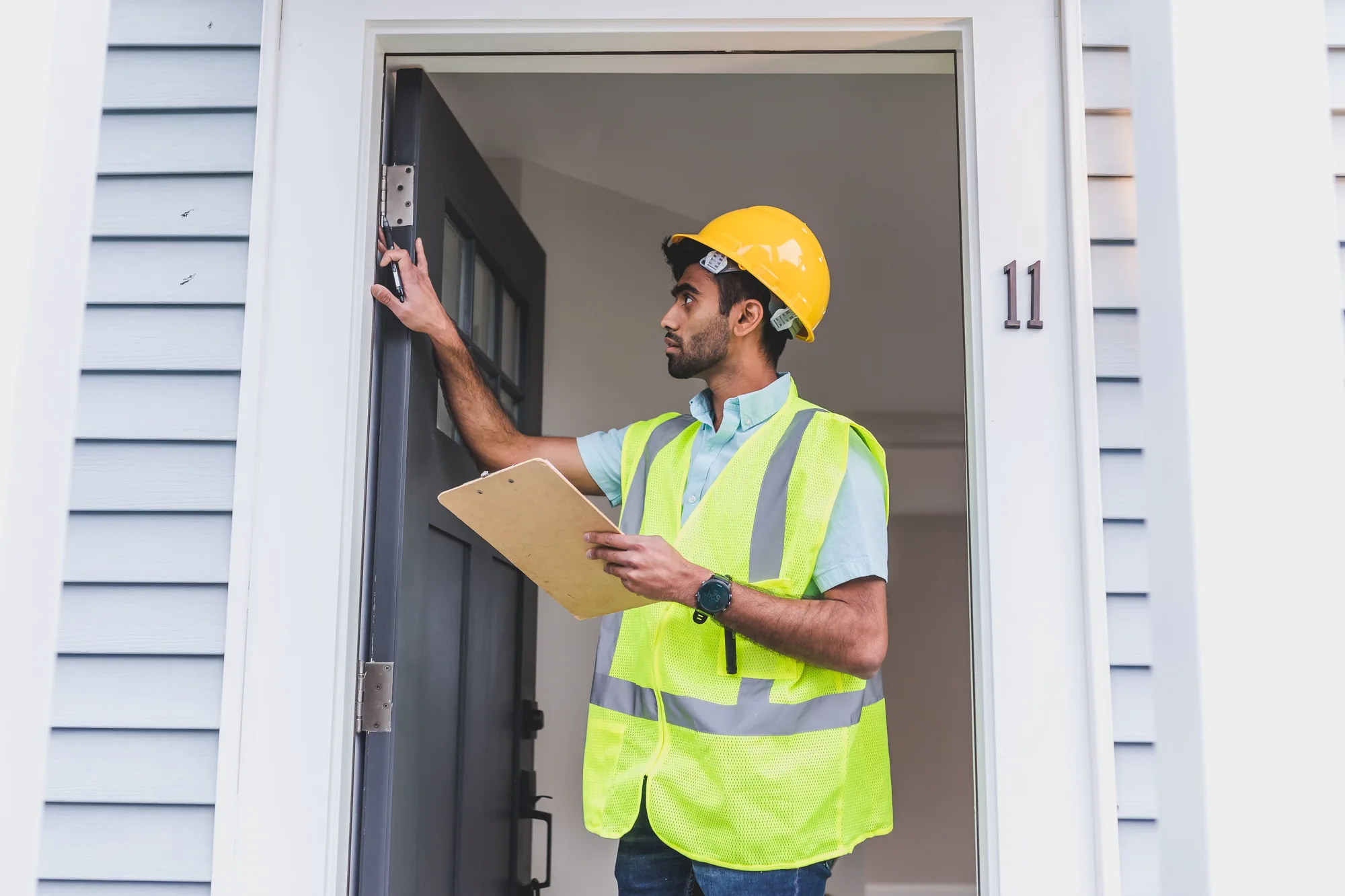


Ready for a local home inspection in Chautauqua County?
Send one free request. We review it and route it to a NACHI-certified inspector who serves Chautauqua County, who may then contact you with a quote.