
Long Island · Suffolk County
Home Inspection Near Holbrook, NY
One short form connects buyers, sellers and owners in Holbrook with a NACHI-certified inspector who lists the area. It is free and there is no obligation. Whether you searched for Home Inspection Holbrook or simply need a qualified inspector near you, you are in the right place.
- Inspectors listed
- 3
- County
- Suffolk
- To request
- Free
Holbrook sits in the heart of Suffolk County, straddling the Town of Islip and the Town of Brookhaven on Long Island, and its housing stock tells the story of one of the region's defining postwar suburban communities. If you're buying or selling a home here, whether it's a classic Cape Cod on a quiet side street near the Sachem school district or a split-level closer to the Sunrise Highway corridor, a thorough, locally informed home inspection is one of the most important steps between an accepted offer and a confident closing.
This guide covers what a home inspection in Holbrook actually involves: the kinds of homes you'll find here and what their age and construction typically mean for an inspection, the inspection types that matter most in this part of Suffolk County, how New York State licensing works, realistic cost expectations, and how to choose the right inspector for your specific property. Holbrook currently has NACHI-certified inspectors serving the area directly, giving local buyers and sellers a meaningful pool of qualified professionals to choose from rather than relying on inspectors who primarily cover other parts of the Island.
This page is informational and intended to help you understand the inspection process and make a well-informed decision. It does not list individual inspector contact details directly; use the directory's lead form to connect with inspectors listed as serving Holbrook.
What We Do Across Holbrook
Think of Inspecverse as the front desk for inspections in Long Island. Every request for a local home inspection in Holbrook comes to us first, gets checked for the details an inspector needs, and is passed to a NACHI-certified professional who has listed Holbrook as an area they serve.
You stay in control the whole time: requesting a quote is free, there is no obligation to hire, and you decide which inspector to work with. Right now 3 NACHI-certified inspectors are listed for Holbrook on this page.
Inside a Standard Holbrook Home Inspection
A typical local home inspection in Holbrook follows the house from the ground up: the foundation and basement, the structure and exterior, the roof, then the mechanical systems (plumbing, electrical, heating and cooling) and finally the interior, attic and insulation.
The inspection is visual and limited to what is readily accessible. If the inspector sees something that needs a closer look, such as a chimney liner, a sewer line or a structural crack, the report will usually recommend a specialist rather than guess.
Directory
Home Inspectors Serving Holbrook
3 NACHI-certified inspectors
Anthony Carbonaro
Certified Professional Inspector®
Leon Jaworowski
Alliance Inspections, Inc.
Certified Professional Inspector®
Christopher Chimeri
Country Home Resources Inc.
Certified Professional Inspector®
Contact details stay private. Send one request and we route it to an inspector who serves Holbrook.
Request a QuoteWhy Choose Inspecverse for a Home Inspection in Holbrook?
Buyers and owners in Holbrook, NY have plenty of ways to find an inspector. Here is why many start with us:
- Local by design. Requests for Holbrook go to inspectors who list this area, not to a national call center.
- One form, both tracks. Residential and commercial requests use the same short form, and you only answer the questions that apply to your property.
- Credentials up front. Inspectors on this page are shown by name and InterNACHI credential, so you can see who serves Holbrook before you ask for a quote.
- Free, no obligation. Submitting a request costs nothing and does not commit you to hiring anyone.
- Plain-English New York guidance. We explain how New York licensing works so you can check any inspector yourself.
Ready when you are: request a free quote.

Local Factors for Inspections in Holbrook
Long Island homes bring a few recurring topics. Many properties outside sewer districts rely on cesspools or septic systems, oil heat is still common in older houses, and homes near the shore can face flood and wind exposure. A thorough home inspection in Holbrook, NY will note what is visible, and the inspector may recommend a septic or tank specialist for anything buried.
If the home has an oil tank, especially an older or buried one, ask about it early; it is a common negotiation point on Long Island.
What to Consider When Choosing an Inspector Near Holbrook
Price matters, but it should not be the only thing you compare. Before you hire a home inspector near Holbrook, ask for their New York license number and confirm it with the Department of State, and ask for proof of the general liability insurance New York requires ($150,000 per occurrence, $500,000 aggregate).
Then look at how they work: How long will the inspection take on a property like yours? Can you attend? When will the written report arrive, and does it include photos? If you need radon testing, ask how long the test runs; short-term radon tests commonly run at least 48 hours. If a lender requires a wood-destroying insect report, check whether the inspector provides one, since that requirement depends on the loan and location.
How It Works: Your Home Inspection in Holbrook in Four Steps
- Tell us about the property. Residential or commercial, the address in Holbrook, the size and your timing.
- We review and route it. Your request goes to a NACHI-certified inspector who lists Holbrook.
- Get your quote. The inspector follows up with pricing and available dates.
- Inspect and receive the report. You attend if you can, then use the written report to make your decision.
It takes a couple of minutes to request a free quote.
Need a home inspection near Holbrook?
Residential or commercial. Free to request, no obligation.
Home, Commercial and Specialty Inspections Near Holbrook
Beyond a standard home inspection in Holbrook, NY, buyers and owners here often ask about radon testing, well water quality, septic systems, sewer camera scopes and thermal imaging. Many NACHI-certified inspectors offer some of these themselves and refer others out.
Mold is a special case in New York: mold assessment requires a separate Mold Assessor license, so ask about it specifically if you have a concern. Commercial owners can request a commercial property inspection in Holbrook through the same form.
What Makes This Directory Different in Long Island
Most inspection directories are national. Ours covers New York State only, Long Island included, and every location page is written around local housing and New York's inspection rules rather than recycled boilerplate.
We also say plainly what we are: a referral directory. We do not claim to license, insure or guarantee inspectors. New York's Department of State licenses home inspectors under Article 12-B of the Real Property Law, and this page shows you how to confirm a license yourself before you book a local home inspection in Holbrook.
Serving Holbrook and the Rest of Suffolk County
This page focuses on Holbrook, but your request does not stop at the city line. Nearby, we also cover Commack, Huntington Station and Smithtown and the rest of Suffolk County. If you are buying just outside town, a home inspection near Holbrook is still one form away.
For county-wide information, including more inspectors and the county guide, see our Suffolk County page linked below.
What Happens After Your Holbrook Home Inspection
The written report is the deliverable that matters. Use it to decide whether to proceed, renegotiate or ask for repairs, and to get contractor quotes for bigger items before your contingency window closes.
If the inspector recommends a specialist, such as a structural engineer, roofer or septic contractor, schedule that quickly. Time is usually the tightest constraint after a home inspection in Holbrook, NY.
Local guide
The Holbrook Home Inspection Guide
Housing, climate, systems and New York rules that shape a home inspection in Holbrook, written for buyers and sellers.
Understanding Holbrook's Housing Stock and Architectural Character
Holbrook is, in many ways, a textbook example of mid-20th-century Long Island suburban development. The hamlet grew rapidly during the postwar housing boom, when builders transformed what had been largely farmland and scrub pine barrens into tract neighborhoods of modest, efficient single-family homes aimed at returning veterans and growing young families. That development wave, concentrated from roughly the 1950s through the 1970s, still defines the bulk of Holbrook's housing stock today, which matters directly for what a home inspector is likely to encounter.
Because so much of the hamlet was built within a relatively compact timeframe, Holbrook's homes share a lot of structural and mechanical DNA: similar foundation types, similar framing methods, and similar-vintage plumbing and electrical systems that were considered standard at the time but have since been superseded by modern code requirements. This uniformity is useful for buyers because it means patterns are predictable. An inspector who regularly works in Holbrook and similar Suffolk County hamlets develops a strong sense of what tends to age well here and what tends to need attention around certain decade marks.
Cape Cods, Ranches, and Split-Levels: The Core Housing Types
The three dominant home styles in Holbrook are the Cape Cod, the ranch, and the split-level, each reflecting different builder approaches to affordable postwar housing. Cape Cods typically offer a compact footprint with a steep roofline and often an unfinished or partially finished upper half-story, which inspectors pay close attention to for insulation, ventilation, and headroom issues. Ranches spread living space across a single story, which simplifies some inspection points but can mean larger roof spans and longer runs of plumbing and ductwork to evaluate. Split-levels, popular through the 1960s and 1970s, stagger living spaces across offset floor levels, creating more transition points, more roof planes, and sometimes more complex drainage and grading considerations around the foundation.
What Original Construction Details Commonly Mean for Inspections
Homes built during Holbrook's primary development era often retain original or near-original systems in whole or in part, even after decades of ownership turnover. It's common for inspectors to find electrical panels that have been partially updated but still contain older wiring types or outdated breaker configurations, heating systems that have been converted from oil to gas or supplemented with newer equipment without a full system overhaul, and plumbing that mixes original galvanized or early copper piping with more recent replacement sections. None of this is unusual or necessarily alarming for a home of this age; it's simply the kind of mixed-vintage condition a careful inspection is designed to document clearly so buyers can plan accordingly.
Neighborhood Character Within Holbrook
While Holbrook doesn't carry the kind of sharply distinct, decades-branded neighborhood identities you'd find in a dense urban borough, it does have real internal variation worth understanding before you focus a home search or commission an inspection. The hamlet's layout, shaped by its position between two different towns and by the major roads that cut through it, creates pockets with somewhat different housing ages, lot sizes, and proximity to commercial development.
Areas closer to the Sunrise Highway and Sunrise Service Road corridor tend to sit nearer commercial and light-industrial uses, which can mean different considerations around noise, drainage, and lot setbacks. Residential sections set back from the main corridors, particularly those built out in Holbrook's core development waves, tend to feature the classic tract-style street grids with more uniform lot sizes and home spacing. Buyers should walk or drive the specific block before relying too heavily on hamlet-wide generalizations, since block-to-block differences in grading, tree canopy, and drainage can meaningfully affect what an inspector finds around a foundation.
Proximity to Suffolk County Community College and Institutional Development
Holbrook is home to the Ammerman Campus of Suffolk County Community College, a significant institutional presence that shapes land use and some traffic patterns in its surrounding sections. Homes near larger institutional campuses sometimes see different rental or multi-family use patterns nearby, which buyers evaluating a long-term residential purchase may want to factor into their overall due diligence, separate from the physical home inspection itself.
Mixed Residential and Commercial Corridors
Like many Suffolk County hamlets that grew up around state highways, Holbrook has sections where residential streets back directly onto commercial frontage along routes such as Portion Road or sections near the Sunrise Highway corridor. Homes in these transition areas sometimes warrant extra attention to exterior noise mitigation, fencing and buffer conditions, and drainage patterns affected by adjacent paved commercial lots, all of which a thorough exterior inspection should document.
The Town of Islip and Town of Brookhaven Split
An unusual feature of Holbrook worth understanding is that the hamlet is divided between two separate towns, the Town of Islip and the Town of Brookhaven, each with its own building department, permit history, and local code enforcement practices.
This matters practically for buyers because permit records, code compliance history, and even some inspection-adjacent municipal data need to be checked against the correct town depending on exactly where a given property sits, rather than assuming a single town hall covers all of Holbrook.
Why This Affects Permit Research
Before relying on permit history for an addition or renovation, confirm which town's building department actually has jurisdiction over the specific address, since contacting the wrong town's records office will understandably turn up nothing and could create a false impression that work was never permitted.
What Home Inspections Commonly Find in Holbrook
Based on the predictable patterns tied to Holbrook's development era and housing types, a handful of inspection findings recur often enough that buyers should go in expecting to discuss at least one or two of them, rather than treating any single finding as a red flag unique to the specific house.
This doesn't mean every home has serious problems. Most findings in a hamlet like Holbrook are maintenance and upgrade items typical of any 50-to-70-year-old suburban home, documented so a buyer can budget and prioritize rather than being surprised after closing.
Roofing Age and Remaining Service Life
Asphalt shingle roofs on homes of this era are frequently on their second or third roofing generation, and inspectors routinely flag roofs approaching or past typical service life, along with flashing details around chimneys and roof-to-wall transitions common in split-level designs.
Electrical System Updates and Original Wiring
It's common to find electrical panels and circuits that have been partially modernized over the decades without a complete rewire, meaning inspectors often note a mix of updated and original wiring, outdated panel types, or insufficient capacity for modern appliance loads.
Foundation, Basement, and Crawlspace Moisture
Given Long Island's water table and the age of foundation waterproofing methods used when these homes were built, basement and crawlspace moisture, minor settling cracks, and sump pump presence or absence are frequent discussion points in Holbrook inspection reports.
Heating System Age and Fuel Conversions
Many homes have gone through at least one heating system replacement or fuel-type conversion since original construction, and inspectors commonly evaluate the current system's apparent age, maintenance history, and whether ductwork or baseboard distribution has kept pace with equipment changes.
Radon Testing Considerations for Holbrook Properties
Radon is a naturally occurring radioactive gas that can seep into homes through foundation cracks and gaps, and its presence varies based on local soil and bedrock conditions rather than following town or hamlet boundaries precisely. Suffolk County, like much of the broader region, includes areas where radon levels can be elevated in some homes and low in others nearby, which is exactly why a property-specific test matters more than relying on general assumptions about the area.
Why Finished and Occupied Basements Raise the Stakes
Homes where the basement is finished and used as regular living space, rather than left as unfinished storage, generally warrant closer attention to radon testing, since occupants spend meaningfully more time in the space where radon concentration is typically highest.
How Radon Testing Fits Into the Inspection Timeline
Standard radon testing protocols commonly require a continuous closed-house period of at least 48 hours, depending on the device and protocol used, which means it needs to be scheduled with enough lead time before your inspection contingency deadline rather than added as an afterthought.
Mold and Moisture Inspections in Holbrook Homes
Given the age of Holbrook's housing stock and Long Island's humid summers, moisture intrusion and mold-conducive conditions are a realistic consideration, particularly in basements, crawlspaces, and around older bathroom exhaust systems that may not vent as effectively as current code requires.
Visual Mold Assessment Versus Lab Sampling
Most general home inspections include a visual assessment for signs of moisture damage and visible mold-like growth, but confirming actual mold species and spore counts requires separate air or surface sampling sent to a lab, which is typically offered as an add-on service rather than part of the baseline inspection. Performing that formal assessment requires a separate, state-issued Mold Assessor license in New York, distinct from a standard home inspector's license.
Common Moisture Entry Points in Older Split-Levels and Ranches
Grading that slopes toward the foundation, aging gutter and downspout systems, and crawlspace ventilation that hasn't been updated are among the most common moisture entry points inspectors flag in Holbrook's older ranch and split-level homes.
Well and Septic System Considerations
Water and sewage infrastructure in Holbrook reflects the broader Suffolk County pattern, where most developed residential areas connect to public water service while sanitary waste handling varies more by individual parcel and construction era.
The large majority of Holbrook properties receive water through the Suffolk County Water Authority rather than relying on private wells, which simplifies that portion of due diligence for most buyers. Septic systems and cesspools, however, remain common on older residential parcels throughout this part of Suffolk County, meaning buyers should not assume a property is sewered simply because it's in a developed hamlet.
Confirming Whether a Specific Property Has Septic or Sewer Service
Because sewer and septic status varies parcel by parcel rather than following clean hamlet-wide lines, buyers should ask the seller directly, check available municipal records, and have any septic or cesspool system specifically inspected rather than assuming based on the neighborhood's general reputation.
What a Septic Inspection Involves When Applicable
When a property has a septic system or cesspool, a dedicated inspection typically involves locating and accessing the tank, assessing solids buildup, checking for signs of drainfield failure, and confirming the system's apparent capacity relative to the home's bedroom count, performed by a specialist separate from the general home inspector in most cases.
Wood-Destroying Insect (WDI) and Termite Inspections
Suffolk County's climate and the prevalence of wood-frame construction make wood-destroying insects, particularly subterranean termites and carpenter ants, a routine consideration for any Holbrook home purchase, not an exotic risk limited to certain properties.
Most lenders financing a purchase in this area require a separate WDI inspection report as a closing condition, performed by a licensed pest control professional rather than the general home inspector, though many inspection companies coordinate scheduling for both visits.
Why Crawlspaces and Basement Sill Plates Are Priority Check Points
Wood-destroying insects are most often found at the wood-to-soil or wood-to-concrete interface, making basement sill plates, crawlspace framing, and exterior wood trim close to grade the priority areas any thorough WDI inspection will examine closely in a Holbrook home.
What a Clean WDI Report Does and Doesn't Guarantee
A clean wood-destroying insect report confirms no current visible infestation or damage was found at the time of inspection; it is a point-in-time assessment rather than a warranty against future activity, which is worth understanding clearly before closing.
New Construction and Renovation Inspections in Holbrook
While the majority of Holbrook's housing stock dates to the postwar era, the hamlet does see ongoing infill construction, teardown-rebuilds, and significant additions or renovations on older lots, each of which calls for a somewhat different inspection approach than a standard resale.
Phased Inspections During New Construction
Buyers purchasing new construction or a major renovation benefit from scheduling inspections at key phases, such as pre-drywall, rather than waiting until the home is fully finished, since several structural and mechanical elements become difficult or impossible to verify once walls are closed up.
Permit and Code Compliance Checks for Additions
Additions and major renovations on older Holbrook homes should be checked against municipal permit records to confirm the work was properly permitted and inspected by the local building department, since unpermitted work can create complications for financing, insurance, or future resale.
New York State Home Inspector Licensing Explained
New York State requires individuals who perform home inspections for compensation to hold a license issued by the New York Department of State's Division of Licensing Services. This licensing framework sets baseline education, experience, and examination requirements intended to establish a minimum standard of competency across the state, including here in Suffolk County.
How State Licensing Differs From Third-Party Certifications
State licensure is the legal requirement to practice in New York, while certifications from organizations such as InterNACHI represent additional, voluntary training and adherence to a specific standards-of-practice and continuing education framework. Many well-regarded inspectors hold both, and it's reasonable for buyers to ask about each separately when evaluating an inspector.
Verifying an Inspector's Credentials Before Hiring
Before booking, buyers can ask an inspector directly for their New York State license number and any relevant certification IDs, which can then be checked against the respective licensing or certifying body's public records, a simple step that adds meaningful peace of mind.
How to Choose a Home Inspector in Holbrook
Selecting the right inspector for a Holbrook property means balancing general qualifications with the kind of local familiarity that makes a real difference for homes of this specific era and construction type.
Holbrook has a working pool of NACHI-certified inspectors serving the hamlet directly, which means buyers aren't limited to inspectors whose primary territory is elsewhere on Long Island. Prioritizing an inspector who regularly works in Holbrook and comparable Suffolk County hamlets, rather than one who occasionally covers the area as part of a much wider territory, tends to produce a more locally calibrated report.
Questions to Ask Before Booking
Useful questions include how many inspections the inspector has completed in Holbrook or immediately comparable hamlets, what liability coverage they carry (New York only requires a certificate of liability coverage on file, not necessarily errors-and-omissions specifically), what their report turnaround time looks like, and whether radon, WDI, or septic inspections are offered directly or coordinated through a trusted partner.
Reading Sample Reports and Reviews
Requesting a sample report before booking is one of the most useful steps a buyer can take, since it reveals how thoroughly an inspector documents findings with photos, clear language, and actionable detail, as opposed to generic checkbox-style reporting.
Matching Inspector Specialties to Your Specific Property
A home with a finished basement, an older oil tank, or a septic system benefits from an inspector who explicitly lists relevant specialty experience, such as mold, thermal imaging, or septic evaluation, rather than assuming every general inspector covers every specialty equally well.
Home Inspection Costs in Holbrook and Suffolk County
Inspection pricing in this part of Suffolk County is driven primarily by home size, age, foundation type, and the specific add-on services selected, rather than by hamlet alone, since Holbrook's housing stock is broadly comparable in scale to many neighboring communities.
Buyers should expect the base home inspection fee to cover the general structural, mechanical, electrical, and plumbing evaluation, with radon testing, WDI inspection, septic evaluation, mold sampling, and thermal imaging typically quoted as separate line items that get added to a final total. In New York, mold assessment requires a separate NYS Department of Labor Mold Assessor license.
Factors That Move the Price Up or Down
Square footage is the biggest driver, followed by the presence of a basement or crawlspace, the home's age and system complexity, and whether multiple specialty add-ons are bundled into a single visit, which sometimes earns a modest package discount compared to booking each service separately.
Getting Comparable Quotes
Because scope varies between inspectors, the most useful comparison isn't the headline price alone but an itemized quote showing exactly what's included, so buyers can compare apples to apples rather than being surprised by add-on costs after booking.

The Buying and Selling Timeline for Holbrook Homes
Understanding where the inspection fits into the broader transaction timeline helps buyers and sellers in Holbrook plan realistically rather than feeling rushed by contingency deadlines.
A typical Long Island residential contract includes an inspection contingency period, often falling within the first one to two weeks after contract signing, during which the buyer arranges and completes the general inspection along with any specialty tests like radon or WDI.
Scheduling the Inspection Within the Contingency Window
Given that radon testing alone commonly requires at least a 48-hour closed-house period, depending on the device and protocol used, and WDI or septic specialists may need separate scheduling, buyers are well served by booking the general inspection as early as possible within their contingency window rather than waiting until the final days.
Negotiating Repairs or Credits After the Report
Once the inspection report is delivered, buyers and sellers typically negotiate over specific findings, whether through direct repairs, a price credit, or a combination, and having a clearly documented report with photos makes this negotiation considerably more efficient for both sides.
Pre-Listing Inspections for Sellers
Sellers in Holbrook increasingly commission their own pre-listing inspection before putting a home on the market, which surfaces issues early enough to address them proactively or price the home accordingly, often reducing surprises and renegotiation later in the process.
Thermal Imaging and Specialty Diagnostic Add-Ons
Infrared thermal imaging has become an increasingly common add-on in Suffolk County home inspections, useful for spotting moisture intrusion, insulation gaps, and certain electrical hot spots that aren't visible to the naked eye during a standard walkthrough.
Where Thermal Imaging Adds the Most Value in Older Homes
In homes of Holbrook's typical vintage, thermal imaging tends to add the most value around exterior wall insulation gaps, roof leak tracing, and identifying moisture patterns behind finished basement walls that a purely visual inspection can't fully assess.
Chimney, Fireplace, and Oil Tank Inspections
Many Holbrook homes from the Cape Cod and ranch era were originally built with a masonry chimney and, in a large share of cases, an oil-fired heating system, both of which carry their own age-related inspection considerations distinct from the main structural and mechanical review.
Chimneys on homes of this vintage can develop liner deterioration, mortar joint erosion, or flashing issues at the roofline over the decades, while oil tanks, whether still in use, converted to gas with the old tank abandoned in place, or already removed, each raise different documentation and environmental questions a buyer should resolve before closing.
Underground Versus Above-Ground Oil Tank History
Homes with a history of underground oil storage tanks warrant particular attention, since a tank that was improperly abandoned or that leaked before removal can create environmental liability; buyers should ask for any available tank removal or abandonment documentation and consider a specialized tank sweep if the history is unclear.
Chimney Liner and Masonry Condition
A visual chimney inspection as part of the general home inspection can identify obvious masonry deterioration or flashing problems, but a dedicated chimney-specific inspection, sometimes involving a camera scope of the flue liner, is advisable before relying on an older fireplace or chimney-vented heating appliance regularly.
Flood Zone and Drainage Awareness for Suffolk County Buyers
While Holbrook sits inland relative to Long Island's immediate coastline, Suffolk County as a whole includes a range of flood zone designations, and local drainage conditions tied to the area's sandy, high-water-table soil can matter for basement and crawlspace performance regardless of formal flood zone status.
Buyers should check the property's FEMA flood zone designation directly rather than assuming inland location automatically means no flood risk, since zone boundaries are drawn by specific elevation and drainage modeling rather than general geography, and should pay attention to how the inspector describes grading and surface water management around the foundation.
Checking FEMA Flood Maps Before You Buy
FEMA flood zone maps are publicly available and should be checked for any specific Holbrook address under consideration, since flood zone status can affect insurance requirements and costs even for properties that have never experienced flooding directly.
Surface Drainage and Grading Around the Foundation
Beyond formal flood zones, an inspector's notes on surface grading, gutter discharge points, and any evidence of water pooling near the foundation give a practical, property-specific picture of drainage performance that complements the broader flood zone data.
Working With Your Real Estate Agent and Attorney on Inspection Results
In New York, real estate transactions typically involve an attorney review period in addition to agent representation, and inspection findings often get folded into that broader negotiation process rather than handled by the inspector or agent alone.
A good local agent who regularly works Holbrook transactions can help set realistic expectations about which findings are typical for the hamlet's housing stock versus which are genuinely unusual, while your attorney handles the formal contract language around any resulting credits, repairs, or contingency extensions.
How Attorney Review Interacts With the Inspection Period
Because New York deals typically run attorney review and inspection contingencies on overlapping or sequential timelines, coordinating closely with your attorney about how inspection findings will be formally addressed in the contract helps avoid confusion about deadlines.
Preparing Your Home for an Inspection
Whether you're the buyer arranging access or the seller preparing to host an inspection, a few simple steps help the day go smoothly and give the inspector full access to evaluate every system properly.
Ensuring Full Access to Key Systems
Clearing access to the electrical panel, water heater, furnace or boiler, attic hatch, and crawlspace entry ahead of time prevents delays and ensures the inspector can fully evaluate every major system during the scheduled visit.
What Sellers Should Disclose in Advance
Sellers benefit from disclosing known issues, past water intrusion, prior pest treatment, or septic maintenance history upfront, since a transparent approach tends to build buyer trust and can reduce the odds of an inspection-triggered renegotiation derailing the deal.
Reading and Understanding Your Inspection Report
A well-written Holbrook inspection report should translate technical findings into clear, prioritized guidance that helps you make real decisions, not just a long list of every minor observation with no sense of relative urgency.
Distinguishing Safety Issues From Maintenance Items
Good reports clearly separate immediate safety concerns, such as active electrical hazards or structural instability, from routine maintenance items that are normal for a home of this age and don't require urgent action before closing.
Using the Report for Future Home Maintenance Planning
Beyond the immediate transaction, a thorough inspection report doubles as a practical maintenance roadmap for the first several years of ownership, flagging systems approaching the end of their service life well before they become emergencies.
Insurance and Financing Considerations Tied to Inspection Findings
Certain inspection findings can directly affect homeowners insurance eligibility or mortgage underwriting in ways buyers should anticipate rather than discover at the last minute.
Older Oil Tanks and Insurance Underwriting
Homes with older underground or aging above-ground oil tanks sometimes face insurance underwriting scrutiny or requests for tank testing and documentation, which is worth raising with your insurance agent early if the inspection identifies an older tank.
How WDI and Septic Findings Can Affect Closing Timelines
Significant wood-destroying insect damage or a failing septic system can trigger lender-required repairs before closing, so flagging these findings to your loan officer promptly helps avoid last-minute timeline surprises.
Common Process Questions Local Buyers Ask Before Hiring an Inspector
Beyond pricing and credentials, buyers evaluating Holbrook properties often have process-oriented questions about what the inspection day itself will actually involve.
How Long Does a Typical Inspection Take?
For a typical single-family Cape Cod, ranch, or split-level in Holbrook, a general home inspection commonly takes a few hours depending on square footage, with specialty add-ons like radon monitoring running separately in the background over the required testing period.
Should I Get a Second Opinion on Major Findings?
For significant findings, such as suspected structural issues or major system failures, it's reasonable to bring in a specialized contractor for a focused second opinion before finalizing repair negotiations, since a general inspector's role is to identify concerns, not necessarily to provide the final word on repair scope and cost.
Why Local Knowledge Matters for Holbrook Inspections
An inspector's familiarity with Holbrook specifically, and with comparable Suffolk County hamlets built in the same era, translates into sharper judgment calls throughout the inspection, from recognizing which foundation cracks are typical settling versus which warrant deeper concern, to understanding how local grading and water table conditions tend to show up in basements.
This directory connects Holbrook buyers and sellers with NACHI-certified inspectors who serve the hamlet directly, rather than leaving you to guess whether an inspector's experience actually translates to this specific community's housing stock.
Getting Connected With a Holbrook-Area Inspector
To get connected with a qualified inspector listed as serving Holbrook, use the lead form on this page rather than searching for contact information elsewhere; a member of the directory team will help connect you based on your specific property and timeline needs.
Home Inspection in Holbrook: FAQ
How do I get a home inspection near Holbrook, NY?
Send a free request through Inspecverse with your property address, property type and timing. We review it and route it to a NACHI-certified inspector who serves Holbrook, who may then contact you with a quote. Right now 3 NACHI-certified inspectors are listed for Holbrook on this page.
Does Inspecverse perform the inspection itself?
No. Inspecverse is a referral directory. The licensed home inspector you hire performs the inspection and writes the report. We do not license, insure or guarantee inspectors, so always confirm the inspector holds an active New York home inspector license before the inspection.
How much does a home inspection cost in Holbrook, NY?
For a typical single-family Cape Cod, ranch, or split-level in Holbrook, a standard full home inspection generally falls in the range most Long Island homeowners budget for a mid-sized single-family resale, with cost influenced mainly by square footage, age, and whether the home has a basement or crawlspace. Add-on services such as radon testing, a wood-destroying insect (termite) inspection, or sewer-line camera scoping are typically quoted separately and added to the base price. Because pricing varies by inspector, scope, and property size, it's best to request an itemized quote before booking rather than relying on a single county-wide average.
Do I need a radon test when buying a house in Holbrook?
Most real estate contracts on Long Island, including in Holbrook, allow the buyer to request a radon test as part of the inspection contingency, and many buyers choose to include one even though it isn't legally mandatory in every transaction. Suffolk County sits in a region where radon levels vary significantly from one property to the next based on soil conditions, foundation type, and basement ventilation, so a prior neighbor's low reading doesn't guarantee yours will be. Given the relatively modest added cost of a radon test, most inspectors and buyer's agents recommend including it, especially for homes with finished or frequently occupied basements.
Is Holbrook on public water and sewer, or do homes have wells and septic systems?
The great majority of residential parcels in Holbrook are connected to public water service through the Suffolk County Water Authority, which is standard across this part of the Town of Islip and Town of Brookhaven. Sanitary waste handling is more mixed: like much of suburban Suffolk County, a meaningful share of Holbrook's housing stock, particularly homes built before more recent code updates, relies on individual septic systems or cesspools rather than municipal sewer lines, while some newer construction and certain commercial corridors may be sewered. Because this varies parcel by parcel, buyers should confirm the specific property's setup directly rather than assuming based on a neighboring home, and should budget for a septic or cesspool inspection when that system is present.
What is the Sachem school district, and does it matter for a home inspection?
Holbrook is served primarily by the Sachem Central School District, one of the largest school districts on Long Island, which is a factor many buyers weigh heavily when choosing where in Suffolk County to purchase. School district itself isn't something a home inspector evaluates, but it does shape buyer demand and timelines: homes in sought-after sections sometimes move faster, which can compress the window buyers have to schedule and complete an inspection. Confirming attendance zones with the district directly, rather than assuming based on municipal boundaries, is worthwhile since district lines don't always track town lines precisely.
How old are most homes in Holbrook, and does that affect what inspectors find?
Holbrook's housing stock is overwhelmingly a product of Long Island's mid-20th-century suburban expansion, with the bulk of homes built from the 1950s through the 1970s as Cape Cods, ranches, and split-levels, alongside pockets of later infill and some updated or expanded properties. Homes from this era commonly show age-related issues such as original or near-original electrical panels, aging oil or converted heating systems, roofs and siding nearing or past typical service life, and basements or crawlspaces that reflect decades of settling and moisture exposure. None of this means a given house is in poor condition, but it does mean buyers should expect a thorough inspection to surface maintenance items that are typical for a 50-to-70-year-old Long Island home rather than signs of neglect specifically.
Do I need a separate termite or wood-destroying insect inspection in Holbrook?
Yes, and in practice most Long Island mortgage lenders and many purchase contracts require a wood-destroying insect (WDI) inspection as a condition of closing, separate from the general home inspection. Suffolk County's climate and the prevalence of wood-frame construction, along with moisture-prone crawlspaces and basements common in Holbrook's older housing stock, make termites and carpenter ants a routine finding rather than a rare one. This inspection is typically performed by a licensed pest control professional rather than the general home inspector, though many inspection companies coordinate both visits for convenience.
What's the difference between a home inspector and a NY-licensed home inspector?
New York State requires home inspectors who perform inspections for compensation to hold a license issued by the New York Department of State, which involves meeting education and experience requirements and passing a state exam. Beyond state licensure, many inspectors also pursue third-party certifications, such as those offered by InterNACHI, which involve additional training, continuing education, and adherence to a standards-of-practice and code of ethics. When vetting an inspector in Holbrook, it's reasonable to confirm both that they hold current NY State licensure and to ask what additional certifications or specialty training they bring, particularly for services like mold, radon, or infrared inspections that go beyond the general home inspection standard.
Can I attend my own home inspection in Holbrook?
Yes, and most inspectors actively encourage it. Walking through the home alongside your inspector lets you see issues firsthand, ask questions about severity and likely repair cost, and get a practical sense of maintenance items you'll want to track after closing, in a way that a written report alone doesn't fully convey. For a typical single-family home in Holbrook, plan to set aside a few hours to attend the full inspection and the closing walkthrough discussion afterward.
Home Inspection in Nearby Areas
Helpful Home Inspection Guides

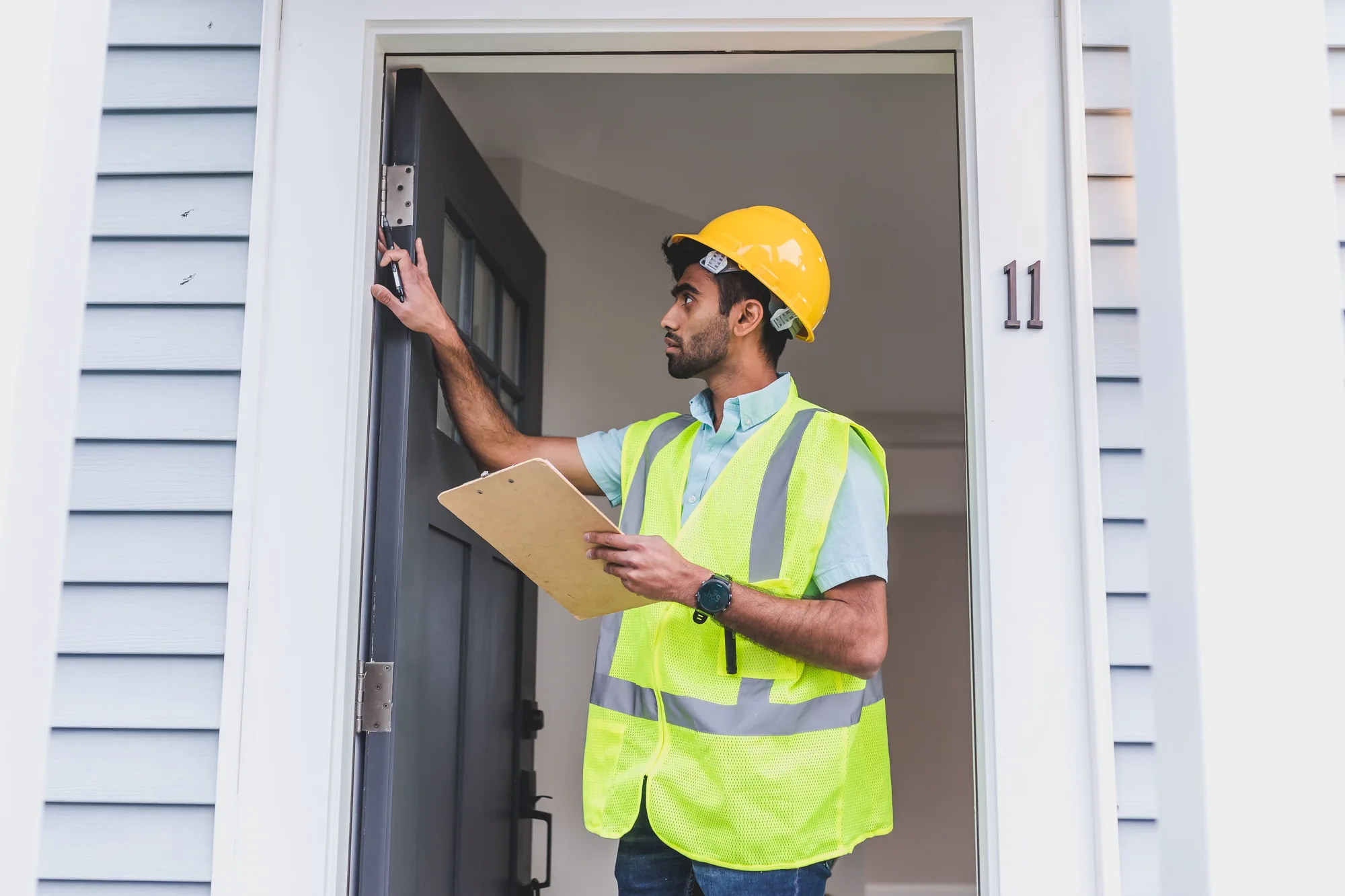

Ready for a local home inspection in Holbrook?
Send one free request. We review it and route it to a NACHI-certified inspector who serves Holbrook, who may then contact you with a quote.