
Mohawk Valley · Oneida County
Home Inspection in Utica, New York
Compare the NACHI-certified inspectors listed for Utica, learn what New York requires of them, and request a free quote when you are ready.
- Inspectors listed
- 3
- County
- Oneida
- To request
- Free
Utica sits at the heart of the Mohawk Valley, a city built on nearly two centuries of industrial history, and that history is written directly into its housing stock. Whether you're buying a turn-of-the-century two-family on the east side, a Rutger Park-era single-family with original woodwork, or a mid-century ranch out toward the city's edges, the home you're inspecting was almost certainly built under very different codes, materials, and expectations than anything going up today. That's exactly why a professional, locally informed home inspection matters so much here, and why finding the right inspector for your specific property type and neighborhood is worth getting right.
This page is a resource, not a listing. You won't find individual inspector names, phone numbers, or company profiles below. What you will find is a genuinely useful breakdown of Utica's housing character, the inspection issues that show up again and again in this market, how New York licenses and regulates home inspectors, what a fair price looks like, and how to think through choosing the right inspector for your transaction. Three NACHI-certified home inspectors are listed as serving Utica directly, which is exactly the kind of local density that earns Utica its own dedicated page rather than being folded into the wider Oneida County overview, where smaller surrounding towns are grouped together.
If you're ready to get connected with a local, NACHI-certified inspector, use the lead form elsewhere on this site. Everything below is here to help you understand what you're walking into first.
What We Do for Home Buyers and Sellers in Utica
Our job is the step before the inspection. You tell us what you need, whether that is a pre-purchase home inspection in Utica, NY, a check before you list, or a commercial property inspection, and we send your request to an inspector who serves Utica. That inspector may then contact you with a quote and, if you go ahead, schedule the visit with you.
We do not perform inspections, sell repairs, or work for either side of the deal. The directory exists so that finding a qualified home inspector near Utica takes one form instead of an afternoon of phone calls. Right now 3 NACHI-certified inspectors are listed for Utica on this page.
What Makes Us Better Than a Generic "Home Inspector Near Me" Search
A generic search for a home inspector near Utica returns ads, national lead sites and inspectors who may be an hour away. Inspecverse is built only for New York and organized county by county and city by city, so the inspectors listed for Utica are the ones who say they serve it.
- New York only. Every page, including this one, is written around New York housing and New York inspection rules.
- Local pages, real detail. The guide below covers housing, climate and systems that matter in Utica specifically.
- Residential and commercial. One directory for a starter home, a rental building or a storefront.
- Straight talk. We explain what to check yourself instead of promising outcomes we cannot control.
Directory
Home Inspectors Serving Utica
3 NACHI-certified inspectors
Joshua Amodio
Priceless Inspections LLC
Certified Professional Inspector®
Steven Pardi
The Inspection Guys
Certified Professional Inspector®
Michael LeFever
The Inspection Guys
Certified Professional Inspector®
Contact details stay private. Send one request and we route it to an inspector who serves Utica.
Request a QuoteWhy Utica Homeowners Use Our Directory
Inspection contingencies often run on tight timelines, and the last thing a buyer needs is a week of phone tag. With Inspecverse, one request reaches an inspector who already lists Utica, which saves the back-and-forth of finding out who actually covers your address.
We keep it honest, too. We show each listed inspector's name and InterNACHI credentials, we never publish personal contact details, and we never charge you to ask for a quote. If you are comparing options for a home inspection in Utica, NY, this page gives you the local context and the next step in one place.
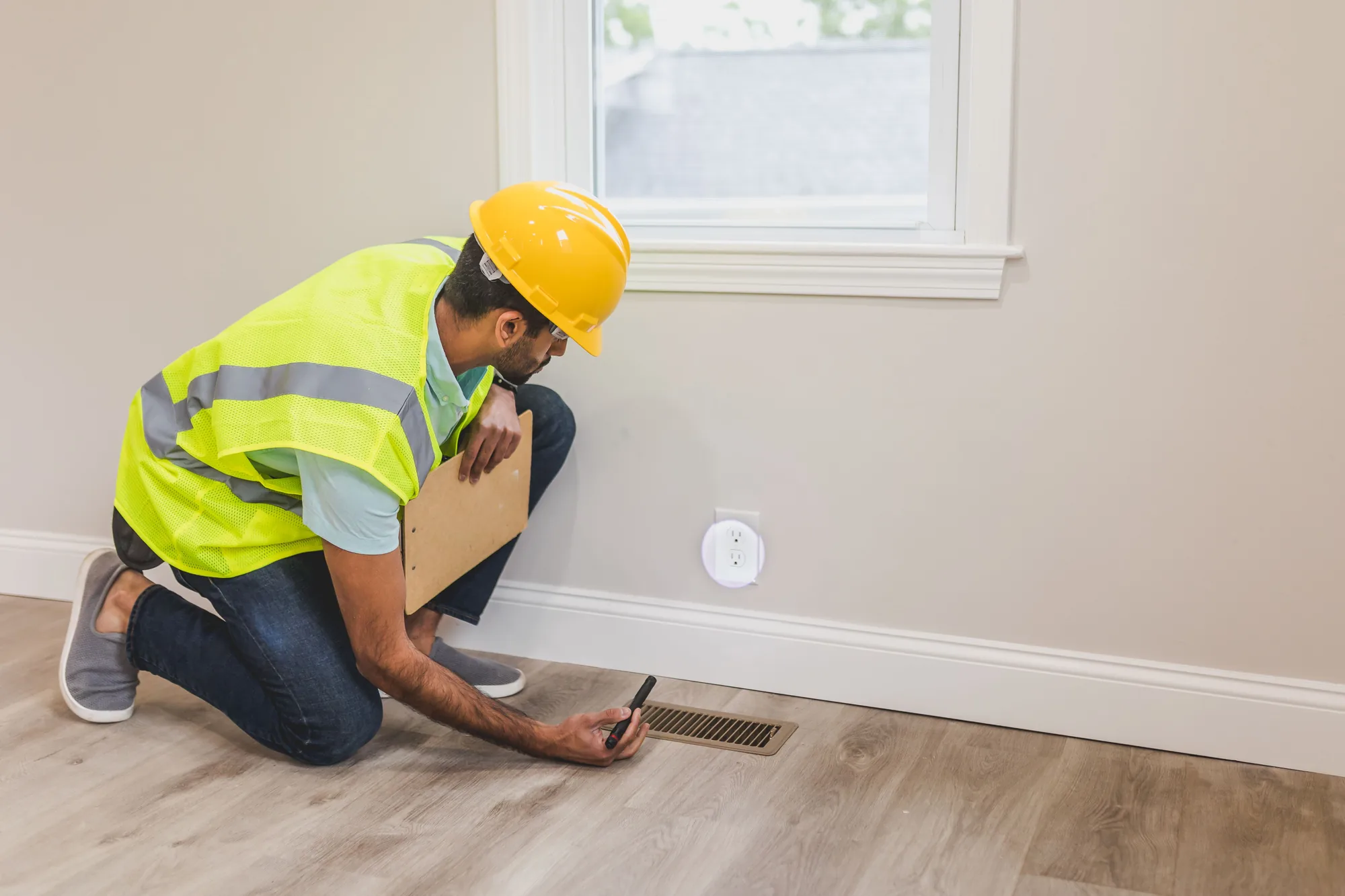
What a Home Inspection in Utica Covers
Under New York's home inspection law, a home inspection is a visual, non-invasive examination of a home's readily accessible systems and components. In practice, a standard home inspection in Utica, NY looks at:
- Structure: foundation, framing, basement or crawlspace.
- Exterior and roof: roof covering, flashing, gutters, siding, grading and drainage.
- Plumbing: supply and drain lines, fixtures and the water heater.
- Electrical: service panel, branch wiring, outlets and safety devices.
- Heating and cooling: furnace or boiler, distribution and visible ductwork.
- Interior, attic and insulation: walls, ceilings, floors, windows, doors and ventilation.
Inspectors do not open walls or move the seller's belongings, so anything hidden or inaccessible is outside the scope.
What Affects the Cost of a Home Inspection in Utica
We do not publish prices because they depend on the property and the inspector. The main factors are:
- Size and age of the home; older and larger homes take longer.
- Property type: single-family, condo, multi-family or commercial.
- Foundation and access: crawlspaces and large attics add time.
- Add-ons: radon, well water, septic, sewer scope and WDI reports.
The fastest way to get a real number is to request a free quote with your property details.
What to Consider Before You Book a Home Inspection in Utica
- An active New York license. Home inspectors in New York must be licensed by the Department of State under Article 12-B of the Real Property Law. Ask for the license number and look it up before the inspection.
- Liability insurance. New York requires licensed home inspectors to carry general liability insurance of at least $150,000 per occurrence and $500,000 in the aggregate. Ask for the certificate.
- A sample report. A good report is organized, photo-documented and clear about what is a safety issue, what needs repair and what is routine maintenance.
- Scope and add-ons. Radon, well water, septic and wood-destroying insect checks are often separate services. Mold assessment in New York requires a separate Mold Assessor license.
- Timing. Line up your home inspection in Utica, NY early in your contingency window so there is time to bring in a specialist if the inspector recommends one.
Need a home inspection near Utica?
Residential or commercial. Free to request, no obligation.
New York Home Inspection Rules Utica Buyers Should Know
New York is one of the states that licenses home inspectors. Under Article 12-B of the Real Property Law, anyone performing a home inspection for pay must hold a license from the Department of State. Licensed inspectors must also carry general liability insurance of at least $150,000 per occurrence and $500,000 in the aggregate.
Licensing does not cover every specialty. Mold assessment needs a separate New York Mold Assessor license, and some tests, such as lab water analysis, are handled by others. Before your home inspection in Utica, NY, ask for the license number and confirm it with the Department of State.
Local Factors for Inspections in Utica
Mohawk Valley winters are hard on houses. Heavy snow and repeated freeze-thaw cycles put stress on roofs, gutters, chimneys and foundations, and ice dams can push water under shingles. A careful home inspection in Utica, NY looks at roof condition, attic insulation and ventilation, and signs of water entry in the basement.
Outside cities and villages, private wells and septic systems are common, and many homes are decades or even a century old. Well water testing, septic evaluation and radon testing are all worth asking about.
Home Inspection Near Utica: Where Our Inspectors Work
Looking for a home inspection near Utica? Utica sits in Oneida County, part of the Mohawk Valley region. Requests from the surrounding towns in Oneida County are welcome too.
Send your request with the property address and we will route it to an inspector who covers that exact location. Right now 3 NACHI-certified inspectors are listed for Utica on this page.
How to Prepare for Inspection Day in Utica
- Make sure the inspector can reach the electrical panel, furnace or boiler, water heater, attic hatch and crawlspace.
- Confirm utilities are on and pilot lights are lit.
- Leave keys for sheds, garages and gates.
- Plan to attend the last part of the inspection so the inspector can walk you through the findings.
- Bring your questions, and a notebook for anything you want to follow up on.
Good preparation lets your local home inspection in Utica cover everything it should in one visit.
Inspections for Commercial and Investment Property Near Utica
Investors and business owners in Utica use the same simple form. Pick commercial, describe the property, and note any lender or due-diligence deadline.
Commercial scopes vary much more than residential ones, so expect the inspector to confirm exactly what is included, and whether specialists such as roofers or engineers are needed, before quoting.
Local guide
The Utica Home Inspection Guide
Housing, climate, systems and New York rules that shape a home inspection in Utica, written for buyers and sellers.
Understanding Utica's Housing Stock and Architectural Character
Utica's housing is, above almost anything else, old. The city's major growth era ran from roughly the mid-1800s through the first few decades of the 1900s, when textile mills, machinery manufacturing, and the Erie Canal corridor drew a large, dense population into the city in a relatively short window. That growth pattern left Utica with a housing stock that's heavily weighted toward homes built well before the Second World War, which is a sharply different starting point than a Sun Belt suburb built in the last twenty years, and it changes almost everything about what an inspection needs to focus on.
Because so much of the city filled in before cars were the default and before zoning separated housing types the way it does today, you'll find single-family homes, two-families, and three-family "multi's" sitting on the same blocks in many parts of the city. This mixed-density, walkable pattern is typical of older industrial Northeast cities, and it means an inspector working in Utica needs to be comfortable evaluating multi-unit systems (separate furnaces, separate electrical services, shared roofs and foundations) just as often as a straightforward single-family layout.
Common Home Styles You'll Encounter
Expect a mix of late Victorian and early 20th-century styles: American foursquares, colonial revivals, Queen Anne-influenced homes with original porches and millwork, and no shortage of simple, sturdy worker's cottages and duplexes built quickly to house the mill and factory workforce of that era. Further out toward the city's edges and into neighboring towns like New Hartford, you'll start seeing more mid-century ranch and split-level construction from the postwar suburban expansion.
What "Old" Actually Means for an Inspection
A home built in the early 1900s has typically been through multiple rounds of renovation, some done well and permitted, some done quickly and not. That layered history is exactly what a thorough inspection is trying to surface: knob-and-tube remnants behind a modern panel, a roof that's been re-covered three times without ever being torn off, or a foundation that's settled unevenly over a century of freeze-thaw cycles. None of this means the home is a bad buy; it means the inspection needs to be thorough enough to tell you what you're actually taking on.
Housing Age by Era: What Changes Decade to Decade
Because Utica's housing stock spans well over a century of construction practices, the decade a home was built in tells you a surprising amount about what to expect before an inspector ever sets foot inside.
Treat these as general patterns rather than guarantees. Plenty of older homes have been fully rewired and replumbed, and plenty of newer homes have had cheap, poorly executed additions. The build era is a starting hypothesis for the inspector, not a conclusion.
Pre-1920s Construction
The oldest segment of Utica's housing stock often includes balloon framing, original masonry foundations (sometimes stone or rubble rather than poured concrete), and wiring and plumbing systems that have typically been replaced at least once, though not always completely. These homes reward an inspector who knows exactly where to look for remnants of outdated systems hiding behind newer finishes.
1920s Through 1950s Construction
This era produced a huge share of Utica's foursquares, colonial revivals, and worker housing, generally with more standardized framing and early electrical systems that, by today's standards, are frequently undersized for modern appliance and device loads. Plumbing from this era may still include older pipe materials in parts of the system.
Postwar and Later Construction
Homes from the postwar period onward, concentrated more toward the city's outer edges and surrounding towns, generally reflect more modern framing, electrical, and plumbing standards, though homes from the middle of this range can still show age-related wear in roofing, mechanical systems, and finishes that are now many decades old themselves.
Utica's Neighborhoods: What Varies Block to Block
Utica is compact enough that you can drive across most of it in fifteen minutes, but its neighborhoods still carry real, distinct identities shaped by who settled there and when. That matters for inspections because housing age, construction quality, and renovation history can shift noticeably from one neighborhood to the next, even within a few blocks.
Rutger Park and the Historic Core
The Rutger Park area is known locally for its concentration of larger, architecturally significant homes from Utica's wealthiest industrial era, many of them now subdivided or operating as professional offices alongside private residences. Inspections here often need to account for original slate roofing, old masonry, ornate but aging woodwork, and systems that have been updated piecemeal over many decades rather than all at once.
East Utica
East Utica developed historically as one of the city's dense residential and commercial neighborhoods, filled with closely spaced single and multi-family homes built for the working population of that era. Expect tight lot lines, shared walls or very close setbacks in places, and the kind of older plumbing and electrical systems common to housing from that build period.
West Utica and Cornhill
West Utica and the Cornhill area include some of the city's older residential blocks, with a strong presence of two- and three-family homes that were often built or converted specifically as rental and multi-generational housing. If you're looking at an investment property or a multi-unit purchase in Utica, this is the kind of housing type you'll most often encounter, and it comes with inspection considerations specific to multiple units under one roof.
North Utica and South Utica
North and South Utica tend to include a somewhat later mix of housing, with more homes reflecting early-to-mid 20th-century construction and, in pockets, postwar single-family development. These areas often show a slightly different maintenance profile than the oldest core neighborhoods, simply because the housing stock itself is, on average, a little younger.
What Home Inspections in Utica Commonly Find
Every home is different, but across a housing stock this age, certain findings come up again and again. Knowing what's common helps you set realistic expectations going into an inspection and avoid being blindsided, or alternatively, avoid treating a routine finding on an old home like a dealbreaker when it's actually just normal for the area.
Roofing and Gutters
Roof age and condition are consistently one of the top findings on older Utica homes. Multiple roofing layers, worn flashing around chimneys and dormers, and gutters that have pulled away or clogged from decades of tree cover near older streets are all common. Given the region's real winter snow load, roof condition deserves particularly close attention.
Electrical Systems
Homes from Utica's main building era frequently have electrical systems that have been updated in stages rather than fully replaced. It's common to find older wiring types still present in parts of the home, undersized or outdated panels, and amateur additions from past owners, especially in multi-family conversions where separate circuits were added over the years to serve new units or appliances.
Plumbing
Older supply and drain lines, galvanized or other legacy pipe materials in portions of the system, and aging water heaters are frequent findings. In multi-unit buildings, inspectors also need to confirm how the plumbing is actually zoned between units, since older multi-family conversions don't always have clean, fully separated systems.
Foundations, Basements, and Moisture
Given the age of the housing stock and the regional freeze-thaw climate, basement moisture, minor foundation settling, and grading or drainage issues around the home's perimeter are extremely common findings. Most are manageable maintenance items rather than structural emergencies, but they need to be identified and priced into negotiations, not discovered after closing.
Deferred Maintenance in Multi-Family Conversions
Because so much of Utica's housing includes two- and three-family homes, inspectors regularly encounter buildings where one unit has been well maintained while another has been neglected, or where a conversion from single- to multi-family was done without full permits. This is less about any one system failing and more about verifying the building functions safely and consistently across every unit.
New York State Home Inspector Licensing: What It Means for You
New York State requires home inspectors to be licensed through the Department of State. In practical terms, this means a licensed inspector has completed state-approved training, passed a licensing exam, and carries required insurance, which gives buyers a baseline level of assurance that isn't present in states without licensing requirements. It's a meaningful consumer protection, and it's worth confirming as a first step, not an afterthought.
Licensing vs. Certification
State licensure is the legal minimum requirement to practice as a home inspector in New York. NACHI certification sits on top of that: it's a professional credential from the International Association of Certified Home Inspectors that generally reflects additional training, continuing education, and adherence to a documented standard of practice. Working with a NACHI-certified inspector who is also properly licensed in New York gives you both the legal baseline and an added layer of professional accountability.
Why This Matters More on Older Homes
On a brand-new home, licensing requirements matter, but the inspection itself is relatively straightforward. On a home built in 1910 with a renovation history spanning a century, the inspector's actual experience and training become far more important, because identifying what's original, what's been modified, and what's aging out requires more judgment than a checklist alone can provide.
What a Standard Home Inspection Actually Covers
It helps to walk in with a clear idea of what a general home inspection is designed to evaluate, and just as importantly, what it's not designed to do, so you know when a specialized add-on inspection is genuinely needed.
Core Systems Reviewed in Every Inspection
A standard inspection generally covers the roof, exterior, foundation and structure, attic and insulation, electrical system, plumbing system, heating and cooling equipment, and interior components like windows, doors, and visible signs of water intrusion. The inspector is evaluating condition and function at the time of inspection, not predicting exactly how long something will last.
What a General Inspection Does Not Include
A general home inspection is visual and non-invasive: inspectors don't cut into walls, move furniture or stored belongings, or test for issues like radon, mold, or wood-destroying insects unless those are specifically added to the scope. This is exactly why add-on inspections exist, and why it's worth asking directly what is and isn't included before the inspection day.
How to Choose a Home Inspector in Utica
Picking an inspector isn't just about finding someone licensed and available on your timeline. In a market like Utica, where housing age and multi-family conversions are so common, the right inspector should have real, specific comfort with exactly that kind of housing stock.
Ask About Experience With Older and Multi-Family Homes
If you're buying a two- or three-family home, ask directly whether the inspector regularly inspects multi-unit properties and how they approach verifying separate systems between units. An inspector whose experience is mostly newer single-family suburban homes may not probe the same way on a century-old multi-family conversion.
Confirm Credentials and Insurance
Verify the inspector holds a current New York State home inspector license and ask to see proof of their certificate of liability coverage — the state requirement is a certificate of liability coverage on file, not necessarily errors-and-omissions coverage specifically. A NACHI certification is a strong additional signal, but it should be paired with confirmed state licensure, not substituted for it.
Review a Sample Report
Ask to see a sample inspection report before you hire anyone. A strong report is detailed, well-organized, includes clear photos, and explains findings in plain language rather than vague checkboxes. This is one of the fastest ways to tell a thorough inspector from a rushed one.
Understand What's Included Before You Book
Confirm upfront whether radon, mold, sewer-line, well, septic, or wood-destroying insect inspections are included or priced separately, and whether there's a square footage or outbuilding limit built into the base price. Getting this in writing before the inspection day prevents surprise charges and makes it easier to compare quotes apples-to-apples.
What a Home Inspection in Utica Typically Costs
Pricing varies based on the home's size, age, number of units, and which add-on services you choose, so treat any number as a starting point for your own quotes rather than a fixed rate. In general, a standard single-family home inspection represents the base cost, with larger homes, older homes requiring more time, and multi-family properties typically costing more due to the added time needed to inspect multiple separate systems.
Base Inspection Pricing
Most buyers in the Utica area should budget a few hundred dollars for a standard, single-family home inspection. Larger square footage, additional structures like detached garages, and older homes that simply take longer to thoroughly assess will generally push that number up.
Add-On Services and Their Costs
Radon testing, mold assessments, sewer-line camera inspections, well and septic evaluations, and wood-destroying insect (termite) inspections are typically priced as add-ons rather than included in a base inspection. Each adds a relatively modest amount to the total, and given how common several of these issues are in the local housing stock, they're frequently worth the additional cost rather than skipping them to save money upfront. In New York, mold assessment requires a separate NYS Department of Labor Mold Assessor license.
Multi-Family Pricing Considerations
Because two- and three-family homes are such a common property type here, expect multi-family inspections to cost meaningfully more than a comparable single-family home, since the inspector is effectively evaluating multiple sets of mechanical, electrical, and plumbing systems under one roof.
The Buying and Selling Timeline, and Where the Inspection Fits
Understanding where the home inspection falls in the broader transaction timeline helps you plan realistically and avoid unnecessary stress, especially in a competitive offer situation.
After an Accepted Offer
In most New York transactions, the home inspection takes place after an offer is accepted but before the deal becomes fully binding, typically within an inspection contingency period defined in the purchase contract. This gives buyers a defined window, often a matter of days, to schedule and complete the inspection and decide how to proceed based on the results.
Scheduling Realistically
Because NACHI-certified inspectors serving Utica directly are a relatively small, specialized group, it's worth scheduling as soon as your offer is accepted rather than waiting. Popular inspectors can book up within a contingency window, especially during active buying seasons in spring and early summer.
Using the Inspection Report in Negotiation
A thorough report gives you leverage, whether that means requesting repairs, negotiating a price adjustment, or asking for a credit at closing. On older Utica homes, it's common for some findings to be negotiated rather than treated as walk-away issues, since a certain amount of age-related wear is simply baked into this housing stock.
Pre-Listing Inspections for Sellers
Sellers in Utica increasingly use pre-listing inspections to identify issues before a buyer's inspector does, which allows time to make repairs, adjust pricing expectations, or simply be prepared to answer questions confidently during negotiations. On an older home, a pre-listing inspection can meaningfully reduce the chance of last-minute surprises derailing a deal.
Radon Testing in the Utica Area
Radon is a naturally occurring, invisible, odorless gas that can seep into homes from underlying soil and rock, and it's a genuine health consideration independent of how a home looks or performs. Much of upstate and central New York, including the broader Mohawk Valley region, is generally understood to have meaningful radon potential tied to regional bedrock geology, which makes testing a sensible precaution rather than an optional extra in this part of the state.
Why Basement Age Matters for Radon
Older basements, especially those with dirt floors, exposed stone or rubble foundations, or cracked slabs, can offer more pathways for radon to enter than a modern, fully sealed poured-concrete basement. Given how many Utica homes have older basement construction, this is one of the more practically relevant local testing considerations.
How Radon Testing Fits Into the Inspection
Radon testing is typically offered as an add-on alongside a standard inspection, often using a short-term test device left in the home for a defined period. It's a relatively low-cost addition relative to the overall transaction, and it gives you concrete data rather than a guess.
Mold and Moisture Concerns
Mold growth is almost always a symptom of an underlying moisture problem, and in a housing stock this old, moisture sources are common: aging roofing, imperfect grading, older basement waterproofing, and plumbing leaks that have gone unnoticed for a while.
Where Mold Commonly Shows Up
Basements, crawl spaces, areas around older plumbing fixtures, and spots with poor ventilation (like older bathrooms without exhaust fans) are the most common locations. A visual inspection can identify visible growth and moisture staining, while a formal mold assessment, if warranted, goes further with sampling and lab analysis—and requires the provider to hold a separate, state-issued Mold Assessor license in New York, distinct from a standard home inspector's license.
When to Consider a Dedicated Mold Assessment
If a general inspection turns up visible mold, musty odors, or signs of chronic moisture, it's worth bringing in a dedicated mold assessment rather than guessing at the scope of the problem. This is especially relevant in older multi-family conversions where one unit's moisture issue can be invisible from another.

Well and Septic Considerations for the Utica Area
Within the city of Utica itself, the overwhelming majority of properties are connected to municipal water and sewer service, which makes sense given Utica's history as a dense, built-up industrial city rather than a rural township. Well and septic systems become genuinely relevant mainly at the city's outer edges and in surrounding, more rural parts of Oneida County.
When You Actually Need This Inspection
If a property you're considering in or near Utica isn't connected to municipal water and sewer, a well and septic inspection should be treated as essential, not optional. These systems aren't visible from a standard walkthrough and have their own failure modes entirely separate from the rest of the home.
What a Well and Septic Inspection Covers
A well inspection typically evaluates water flow, pressure, and water quality through testing, while a septic inspection assesses the tank and drainage field for signs of failure, backup, or inadequate capacity for the home's needs. Both are specialized evaluations usually performed as add-ons or by a specialist alongside the general home inspection.
Wood-Destroying Insect Inspections
Termite and other wood-destroying insect inspections are a standard add-on in much of New York, and they carry particular relevance in a region with a housing stock this old, where decades of moisture exposure, aging wood framing, and past infestations (treated or not) are all realistic possibilities.
What This Inspection Looks For
A wood-destroying insect inspection looks for current activity, past damage, and conditions conducive to infestation, such as wood-to-soil contact, excess moisture, and deteriorated wood trim or structural members. It's a distinct inspection from the general home inspection, and some loan programs require it for certain properties, so it's worth confirming with your lender whether yours is one rather than assuming the requirement is universal.
Why It's Worth Doing on Older Homes
Given the age of framing and siding materials common in Utica's older housing stock, a wood-destroying insect inspection provides a layer of assurance that a general visual inspection alone can't fully replace, particularly around foundations, sill plates, and areas with historical moisture exposure.
New Construction Inspections in and Around Utica
While Utica itself is defined mostly by older housing, new construction does happen, both as infill in the city and in the surrounding towns and newer subdivisions. A new home is not automatically a home without issues, and an independent inspection remains genuinely valuable even on brand-new construction.
Why New Construction Still Needs an Independent Inspection
Builder-grade construction can still include installation errors, code compliance gaps, or finishing shortcuts that a municipal inspection doesn't always catch in detail. An independent inspector works for you, not the builder, which is a meaningfully different incentive structure.
Pre-Drywall and Final Walkthrough Inspections
For new construction, it's worth considering an inspection at the pre-drywall stage, when framing, wiring, and plumbing rough-ins are still visible, in addition to a final walkthrough inspection before closing. Catching an issue before it's sealed behind drywall is far cheaper to fix than discovering it afterward.
Seasonal Considerations for Inspections in Utica
Central New York's real winters and humid summers both affect what an inspection can observe and what issues tend to surface at different times of year.
Winter Inspections
Snow cover can obscure roof conditions, grading, and exterior drainage features, making a thorough winter inspection somewhat more dependent on the inspector's experience reading subtler clues, like ice damming patterns or interior signs of roof leaks. It doesn't make winter inspections unreliable, but it's worth asking how an inspector adapts their process seasonally.
Spring and Summer Inspections
Spring inspections often reveal the aftermath of winter moisture and freeze-thaw stress clearly, from basement water staining to foundation movement, which can actually make spring one of the more informative times to inspect an older home. Summer humidity, meanwhile, can make certain moisture and mold issues more detectable.
Multi-Family and Investment Property Inspections
Given how common two- and three-family homes are throughout Utica, investment buyers and owner-occupant buyers purchasing multi-unit properties both need an inspection approach suited specifically to that property type.
Verifying Separate Utilities and Systems
Confirming that each unit has its own properly functioning electrical service, heating, and, ideally, plumbing shutoffs is essential in a multi-family property, since older conversions don't always have clean separation between units.
Evaluating Deferred Maintenance Across Units
Investment properties, in particular, sometimes show uneven maintenance between an owner-occupied unit and tenant-occupied units. A thorough inspection should assess every unit individually rather than assuming consistency across the building.
Red Flags Worth Asking About Before You Close
Beyond the inspection report itself, a few practical questions and observations can help you gauge how seriously to weigh certain findings before you get to the closing table.
Questions Worth Asking the Seller or Listing Agent
Ask directly about the age of the roof, whether any major systems have been replaced and when, whether the property has ever had water in the basement, and whether any unpermitted work (including a conversion to or from multi-family use) has been done. Straightforward answers, or a notable reluctance to give them, both tell you something useful.
When a Finding Warrants a Specialist, Not Just a Repair Estimate
Some inspection findings, like significant structural movement, extensive active moisture, or signs of a failed septic system, are worth a follow-up opinion from a specialist (a structural engineer, a mold remediation contractor, a septic company) rather than a generic repair quote. It costs more upfront but can save you from underestimating a serious issue.
Common Questions About the Inspection Process in Utica
A few practical questions come up repeatedly from buyers and sellers navigating their first inspection in this market.
Can I Attend the Inspection?
Yes, and it's strongly recommended. Walking through the home with the inspector, especially on an older property, gives you context for the written report that's hard to fully absorb from photos and text alone.
How Long Does an Inspection Take?
A typical single-family home inspection takes a few hours, with multi-family properties and larger or older homes generally taking longer given the added systems and square footage involved.
Why Local Experience Matters More Than National Chains
A national inspection franchise can certainly complete a competent inspection, but an inspector with genuine, sustained experience in Utica's specific housing stock brings pattern recognition that's hard to replicate from a generic training program. They've seen how homes in this exact area age, what local builders of certain eras tended to do well or cut corners on, and which neighborhoods tend to carry which kinds of issues.
Local Knowledge as a Practical Advantage
An inspector who regularly works in Utica will recognize, almost immediately, the typical renovation patterns of a Cornhill two-family versus a Rutger Park single-family versus a postwar ranch near the city's edge. That pattern recognition translates directly into a faster, more accurate, more useful inspection for you.
Getting Connected With a Qualified Utica Inspector
Three NACHI-certified home inspectors are listed as serving Utica directly, reflecting genuine local listing density that distinguishes Utica from smaller surrounding Oneida County towns still grouped under the county-wide page. Rather than listing individual contact details here, this site connects buyers and sellers with a local inspector who serves your area through a simple lead form.
What Happens After You Submit the Form
Submitting the lead form on this site allows a qualified, NACHI-certified inspector serving the Utica area to follow up with you directly, so you can discuss your specific property, timeline, and which add-on services make sense before booking.
Home Inspection in Utica: FAQ
How do I get a home inspection near Utica, NY?
Send a free request through Inspecverse with your property address, property type and timing. We review it and route it to a NACHI-certified inspector who serves Utica, who may then contact you with a quote. Right now 3 NACHI-certified inspectors are listed for Utica on this page.
Does Inspecverse perform the inspection itself?
No. Inspecverse is a referral directory. The licensed home inspector you hire performs the inspection and writes the report. We do not license, insure or guarantee inspectors, so always confirm the inspector holds an active New York home inspector license before the inspection.
How many NACHI-certified home inspectors serve Utica directly?
Three NACHI-certified home inspectors are based in or list Utica as a direct service area, which is why Utica has its own dedicated page rather than being folded into the broader Oneida County listing. Smaller surrounding towns in the county, like Vernon, Sauquoit, and Westernville, don't yet have enough local listing density to warrant standalone pages and are covered on the Oneida County page instead.
Does this page list individual inspector names, phone numbers, or contact details?
No. This page is informational content designed to help you understand the inspection process, local housing considerations, and how to evaluate inspectors in the Utica area. To reach a local NACHI-listed inspector, use the request form on this site; we review each request and route it to an inspector who serves Utica, who may then contact you.
Are Utica home inspectors licensed by New York State?
Yes. New York State requires home inspectors to be licensed through the Department of State, which involves completing approved coursework, passing a state exam, and carrying a current certificate of liability coverage on file with the state. NACHI certification is a separate, additional credential on top of state licensure, and it generally signals ongoing training and adherence to a formal standard of practice beyond the state minimum.
How much does a home inspection cost in Utica?
Costs vary by home size, age, and the scope of inspection, but buyers in the Utica area typically budget a few hundred dollars for a standard single-family inspection, with multi-family properties, larger older homes, and add-on services like radon or sewer-line testing increasing the total. Getting a few quotes and understanding exactly what's included (square footage limits, outbuildings, re-inspection policy) is the best way to compare pricing fairly.
Do Utica homes commonly have private wells or septic systems?
Within the city of Utica itself, most properties are connected to municipal water and sewer, since Utica developed as a dense industrial city rather than a rural township. Private wells and septic systems become more relevant the further out you go, in surrounding Oneida County towns and more rural parcels at the city's edges, where a well and septic inspection is worth budgeting for if the property isn't tied into city utilities.
What do home inspections in Utica commonly find?
Given the age of Utica's housing stock, common findings include aging roofing and gutters, outdated or amateur electrical modifications, older plumbing materials, basement or foundation moisture related to grading and drainage, and signs of long-term deferred maintenance in multi-family conversions. None of these are necessarily deal-breakers, but they're exactly why a thorough inspection on an older home matters so much here.
Should I get a radon test with my Utica home inspection?
It's generally a good idea. Much of upstate and central New York, including the broader Mohawk Valley region, is understood to have elevated radon potential tied to regional bedrock geology, and radon is odorless and invisible without testing. Many inspectors offer it as an add-on alongside the standard visual inspection, and it's a relatively small additional cost for meaningful peace of mind, especially on homes with older or unfinished basements.
Is a sewer line or chimney inspection worth it for an older Utica home?
Often, yes, particularly on homes built well before modern plumbing and heating standards became common. Older clay or cast-iron sewer laterals can develop cracks, root intrusion, or bellies over many decades, and older masonry chimneys may have deteriorated liners or mortar that aren't visible from a standard walk-through. These are specialized add-ons beyond a general home inspection, and on a pre-war Utica property they're frequently worth the extra cost.
Home Inspection in Nearby Areas
Helpful Home Inspection Guides


Ready for a local home inspection in Utica?
Send one free request. We review it and route it to a NACHI-certified inspector who serves Utica, who may then contact you with a quote.