
North Country
Home Inspection in Jefferson County, New York
Tell us about the property and we will route your request to a NACHI-certified inspector who serves Jefferson County. Free to request, no obligation, residential or commercial.
- Inspectors listed
- 6
- City pages
- 0
- To request
- Free
Jefferson County sits in New York's North Country, anchored by the city of Watertown and stretching from the shores of Lake Ontario in the west to the edge of the Adirondack foothills in the east. It's a county shaped by a mix of small-city neighborhoods, farm country, lakeside and riverfront communities, and the steady economic presence of Fort Drum just to the northeast — a combination that produces a genuinely varied housing stock, from early-1900s homes near downtown Watertown to raised ranches and newer construction built to serve military families and the broader regional workforce.
If you're buying, selling, or simply maintaining a home anywhere in Jefferson County, a professional home inspection is one of the most useful tools available for understanding what you're actually dealing with before money changes hands or a problem becomes an emergency. This guide walks through what matters most for homes in this specific part of New York: the kinds of construction you'll encounter, the systems most likely to need attention given the area's age and climate, what New York State actually requires of the inspectors who do this work, and how to think about choosing one. Jefferson County's directory listings include NACHI-certified inspectors based in Watertown, Adams, Mannsville, and Belleville — giving buyers and sellers across the county reasonable access to qualified, certified inspection services without having to look outside the area.
This page is informational. It's designed to help you understand the inspection process and the realistic issues worth watching for in Jefferson County homes — it is not a substitute for an actual inspection report on your specific property, and nothing here should be read as a guarantee about any individual home's condition.
What We Do: Connecting Jefferson County Property Owners With Local Inspectors
Inspecverse is a New York inspection directory and referral service. When you need a local home inspection in Jefferson County, you fill out one short request with the property type, address and timing, and we review it and route it to a NACHI-certified inspector who lists Jefferson County in their service area. The inspector, not Inspecverse, performs the inspection and writes the report.
That keeps the first step simple for buyers, sellers and owners in Jefferson County, NY: no cold-calling a list of strangers, no guessing who actually drives to your street, and no cost to submit a request. Right now 6 NACHI-certified inspectors are listed for Jefferson County on this page.
- Residential: single-family houses, condos, co-ops, townhomes and small multi-family buildings.
- Commercial: offices, retail, mixed-use, light industrial and investment property.
- Add-on testing you can ask about: radon, well water, septic and wood-destroying insects.
Inside a Standard Jefferson County Home Inspection
A typical local home inspection in Jefferson County follows the house from the ground up: the foundation and basement, the structure and exterior, the roof, then the mechanical systems (plumbing, electrical, heating and cooling) and finally the interior, attic and insulation.
The inspection is visual and limited to what is readily accessible. If the inspector sees something that needs a closer look, such as a chimney liner, a sewer line or a structural crack, the report will usually recommend a specialist rather than guess.
Directory
Home Inspectors Serving Jefferson County
6 NACHI-certified inspectors
William Stowell
1 Good Home Inspection
Certified Professional Inspector®
Anthony Alicea
Student Account
Certified Professional Inspector®
Brian Jagger
A1 Home Inspections LLC
Certified Professional Inspector®
James McNitt
Blue House Home Inspection
Certified Professional Inspector®
Gregory Stickel
First Class Home Inspections
Certified Professional Inspector®
Scott Ruttan
PRO-SPEC Home Inspection Service, LLC
Certified Professional Inspector®
Contact details stay private. Send one request and we route it to an inspector who serves Jefferson County.
Request a QuoteWhy Choose Inspecverse for a Home Inspection in Jefferson County?
Buyers and owners in Jefferson County, NY have plenty of ways to find an inspector. Here is why many start with us:
- Local by design. Requests for Jefferson County go to inspectors who list this area, not to a national call center.
- One form, both tracks. Residential and commercial requests use the same short form, and you only answer the questions that apply to your property.
- Credentials up front. Inspectors on this page are shown by name and InterNACHI credential, so you can see who serves Jefferson County before you ask for a quote.
- Free, no obligation. Submitting a request costs nothing and does not commit you to hiring anyone.
- Plain-English New York guidance. We explain how New York licensing works so you can check any inspector yourself.
Ready when you are: request a free quote.
What Inspectors Watch for in Jefferson County
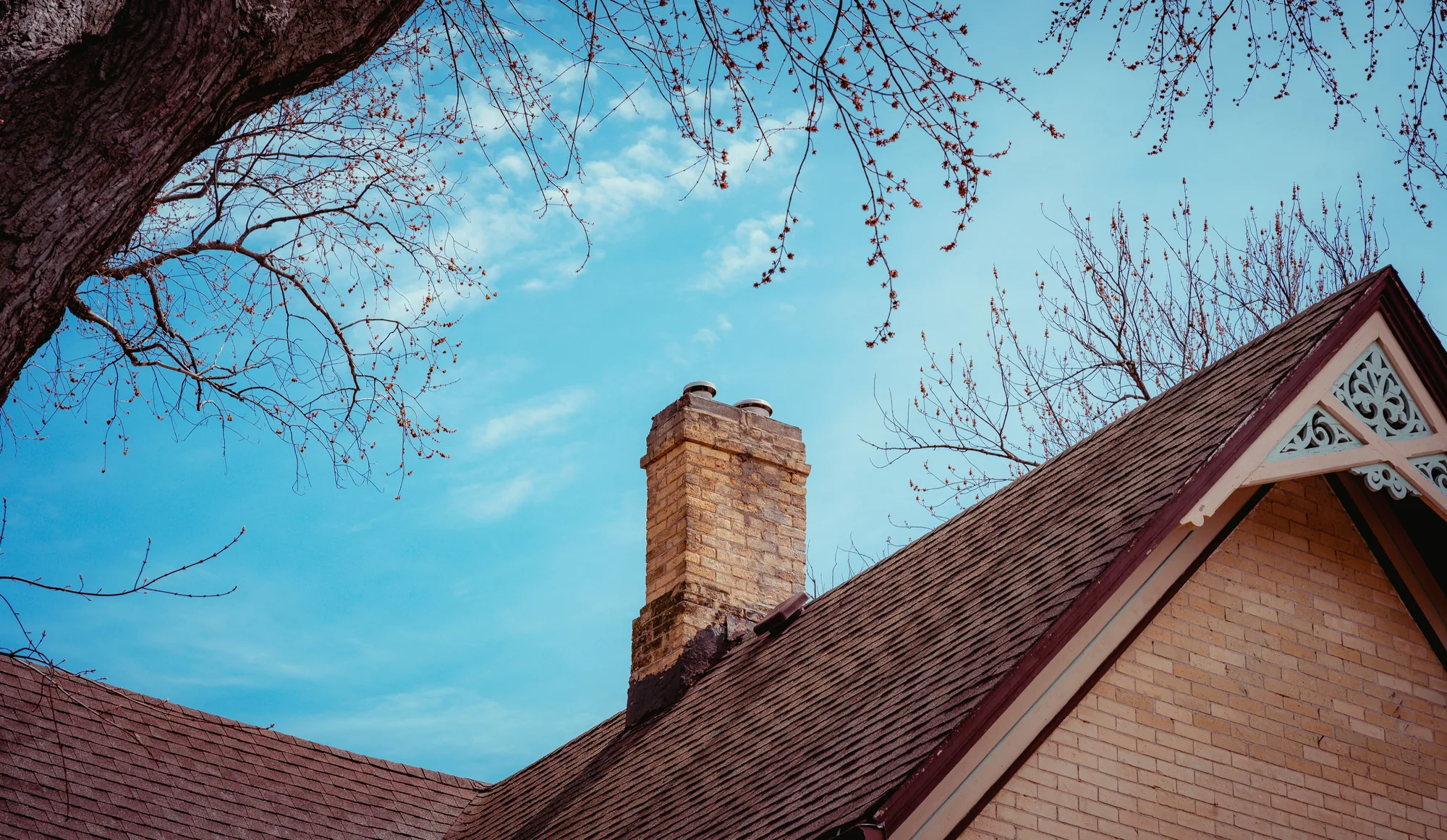
Older housing stock, long heating seasons and rural lots shape inspections in North Country. Expect attention to heating systems, chimneys, roof wear, attic ventilation, basement moisture and, where present, wells and septic systems.
Farmhouses and older village homes can have a mix of original and updated systems, so tell us the approximate age of the property when you request your local home inspection in Jefferson County.
What to Consider Before You Book a Home Inspection in Jefferson County
- An active New York license. Home inspectors in New York must be licensed by the Department of State under Article 12-B of the Real Property Law. Ask for the license number and look it up before the inspection.
- Liability insurance. New York requires licensed home inspectors to carry general liability insurance of at least $150,000 per occurrence and $500,000 in the aggregate. Ask for the certificate.
- A sample report. A good report is organized, photo-documented and clear about what is a safety issue, what needs repair and what is routine maintenance.
- Scope and add-ons. Radon, well water, septic and wood-destroying insect checks are often separate services. Mold assessment in New York requires a separate Mold Assessor license.
- Timing. Line up your home inspection in Jefferson County, NY early in your contingency window so there is time to bring in a specialist if the inspector recommends one.
How It Works: Your Home Inspection in Jefferson County in Four Steps
- Tell us about the property. Residential or commercial, the address in Jefferson County, the size and your timing.
- We review and route it. Your request goes to a NACHI-certified inspector who lists Jefferson County.
- Get your quote. The inspector follows up with pricing and available dates.
- Inspect and receive the report. You attend if you can, then use the written report to make your decision.
It takes a couple of minutes to request a free quote.
Need a home inspection near Jefferson County?
Residential or commercial. Free to request, no obligation.
Inspection Services Available in Jefferson County
Inspectors who serve Jefferson County offer different mixes of services, so tell us what you need in your request. Commonly requested services include:
- Pre-purchase home inspection for buyers under contract.
- Pre-listing inspection for sellers who want no surprises.
- New construction and phase inspections before drywall or before closing.
- Radon testing, commonly run for at least 48 hours.
- Well water and septic evaluations for properties off municipal systems.
- Wood-destroying insect (WDI) reports when a lender or buyer asks for one.
- Commercial property inspections for offices, retail and multi-family buildings.
Not every inspector offers every service; the one you are routed to will confirm what is included in your quote.
What Makes This Directory Different in North Country
Most inspection directories are national. Ours covers New York State only, North Country included, and every location page is written around local housing and New York's inspection rules rather than recycled boilerplate.
We also say plainly what we are: a referral directory. We do not claim to license, insure or guarantee inspectors. New York's Department of State licenses home inspectors under Article 12-B of the Real Property Law, and this page shows you how to confirm a license yourself before you book a local home inspection in Jefferson County.
Home Inspection Near Jefferson County: Communities We Cover
This page is your starting point for a home inspection near Jefferson County anywhere in Jefferson County, NY. If your town is not named, send a request with your address and we will check which listed inspectors serve it.
Jefferson County is part of the North Country region, so you will also find links to nearby counties at the bottom of this page if your property sits close to a county line.
What Happens After Your Jefferson County Home Inspection
The written report is the deliverable that matters. Use it to decide whether to proceed, renegotiate or ask for repairs, and to get contractor quotes for bigger items before your contingency window closes.
If the inspector recommends a specialist, such as a structural engineer, roofer or septic contractor, schedule that quickly. Time is usually the tightest constraint after a home inspection in Jefferson County, NY.
Local guide
The Jefferson County Home Inspection Guide
Housing, climate, systems and New York rules that shape a home inspection in Jefferson County, written for buyers and sellers.
Understanding Jefferson County's Housing Stock and Building Eras
Jefferson County's housing didn't develop all at once, and that matters for inspection purposes because different eras of construction come with genuinely different sets of likely issues. The city of Watertown has a core of homes dating back to the late 1800s and early 1900s, built in the dense, walkable neighborhood pattern typical of small industrial cities of that era. Moving outward into the towns and villages — places like Adams, Mannsville, and Belleville — you'll find a broader mix: farmhouses that predate the incorporated villages around them, mid-20th-century homes built during the postwar growth period, and a meaningful amount of newer construction tied to the long-term presence of Fort Drum, which has supported steady housing demand in the surrounding towns for decades.
Because of this spread, a one-size-fits-all approach to "what to expect" doesn't really work here. A pre-1940 home near downtown Watertown and a 1990s ranch outside Adams are going to have almost entirely different inspection profiles, even though they're both in the same county. A good local inspector should be able to speak knowledgeably about both without treating either as an afterthought.
Pre-War and Early 20th Century Homes
Homes built before roughly the 1940s, concentrated in and around Watertown's older neighborhoods, were constructed under building standards and material practices that predate most of what's considered "modern" residential construction today. These homes often have original or heavily modified electrical systems, plumbing that has gone through multiple generations of partial upgrades, and framing and insulation approaches that reflect the practical knowledge of their era rather than current energy codes. None of that makes them bad houses — many are structurally very sound — but it does mean an inspector needs to look carefully at what's been updated over the decades versus what's original, since a home's age on paper doesn't always match the age of its actual working systems.
Mid-Century and Postwar Construction
The decades following World War II brought a wave of more standardized construction to towns throughout the county, often simpler ranch and cape-style homes built efficiently for a growing population. These homes generally have more straightforward floor plans and systems than their older counterparts, but by now they're also old enough that original mechanical systems — furnaces, water heaters, electrical panels — have typically been replaced at least once, and sometimes more than once, which is worth confirming rather than assuming.
Newer Construction Tied to Regional Growth
Housing built from the 1990s onward in towns near Fort Drum and along Watertown's growth corridors tends to follow more recent building codes and more standardized mechanical and electrical practices. These homes generally present fewer of the "era-specific" concerns that affect older housing, though newer construction brings its own inspection priorities — confirming proper installation and workmanship, checking that systems were sized correctly for the home, and verifying that any additions or modifications were done to code.
Common Building Types You'll Find in Jefferson County
Unlike counties built around a single dominant housing type, Jefferson County's building stock reflects its mix of small-city, village, and rural settlement patterns. Knowing which type you're looking at — and what tends to come with it — helps set realistic expectations going into an inspection.
Farmhouses and Rural Vernacular Homes
Given the county's agricultural history, farmhouses and other rural vernacular homes are common outside the city of Watertown, particularly around towns like Adams, Mannsville, and Belleville. These homes often have additions built over multiple generations, which can mean inconsistent framing, transitions between old and newer foundation sections, and mechanical systems that were extended piecemeal rather than designed as a whole. An inspector working in this area needs to be comfortable tracing how a home actually grew over time, not just evaluating it as a single, uniform structure.
Raised Ranch and Split-Level Homes
Raised ranch and split-level designs are well represented throughout the county's mid-to-late-20th-century neighborhoods. These layouts put more living space at or near grade while still incorporating a basement or lower level, which makes foundation drainage and grading especially relevant — water management around a raised ranch's lower level is a common focus area during inspection.
Colonial and Traditional Two-Story Homes
Colonial-style and other traditional two-story homes appear across the county's villages and residential neighborhoods, often built in waves during periods of local growth. These homes generally have straightforward attic and basement access for inspection purposes, which tends to make it easier to get a clear look at roof framing, insulation, and foundation condition compared to some other layouts.
Well and Septic Systems: A Major Consideration Outside Watertown
One of the most important practical differences between properties in the city of Watertown and properties in the surrounding towns is water and wastewater infrastructure. Watertown itself is served by municipal water and sewer service, which simplifies this part of the inspection considerably — the city handles the infrastructure, and a buyer mainly needs to confirm the home's connection and plumbing condition. Once you move into the towns and villages, though — Adams, Mannsville, Belleville, and most of the rural parts of the county — private wells and septic systems become the norm rather than the exception.
This distinction should directly shape how you approach an inspection. A standard home inspection typically evaluates visible plumbing and fixtures but does not automatically include water quality testing or a full septic system evaluation — those are generally separate services that need to be specifically arranged, often with the same inspector or a specialist they can recommend. For any property on a well or septic system in this county, treating those add-on services as optional extras rather than a core part of due diligence is one of the more common and costly mistakes buyers make.
What a Well Inspection Typically Covers
A well evaluation generally looks at the well's apparent age and condition, the pump system's function, and water quality through laboratory testing for common concerns like bacteria and, depending on the lab panel chosen, various mineral or chemical parameters. Flow rate and recovery time — essentially, how well the well keeps up with household demand — are also commonly assessed, since a well that technically produces water but recovers slowly can create real day-to-day problems for a household.
What a Septic Inspection Typically Covers
A septic evaluation typically includes locating the tank and leach field, assessing the tank's apparent condition, and in many cases a dye test or pumping to check for proper function and signs of failure. Septic systems in older rural homes throughout the county may be original systems that have simply never caused a visible problem, which is exactly why a proactive evaluation matters — septic failures tend to be expensive and are not always obvious until they become serious.
Older Homes, Lead Paint, and Asbestos: What Pre-1978 Construction Means
A meaningful share of Jefferson County's housing stock, particularly in Watertown's older neighborhoods and in long-established villages like Adams and Mannsville, predates 1978 — the year the federal government banned lead-based residential paint. This is a nationwide marker, not a Jefferson County-specific statistic, but it's directly relevant here given how much of the county's housing was built well before that date. Homes from this era may also contain asbestos in certain older building materials, such as some insulation types, flooring, and pipe wrapping common in mid-20th-century construction.
A standard visual home inspection is not a certified lead or asbestos assessment, and inspectors generally don't claim it is. What a good inspector can do is flag conditions that raise the likelihood of these materials being present — deteriorating paint, older pipe insulation, certain flooring types — so you know when a specialized test might be worth arranging, particularly if you have young children, are planning renovation work that would disturb old materials, or simply want peace of mind before closing.
Why This Matters More for Renovation Than for Simply Living In a Home
Lead paint and asbestos-containing materials that are intact and undisturbed are generally considered a lower day-to-day risk than materials that are deteriorating or about to be disturbed by renovation work. This is particularly relevant if you're buying an older home in Watertown or one of the county's established villages with plans to renovate — that's precisely the point where testing before you start tearing into walls, flooring, or old pipe insulation becomes most worthwhile.
Electrical and Plumbing Systems: What to Expect by Home Age
Because Jefferson County's housing spans well over a century of construction practices, electrical and plumbing systems vary enormously from one property to the next, even within the same neighborhood. Older homes in Watertown and in the county's established villages were often built with electrical systems and panel capacities designed for a household's needs decades ago — far less demanding than a modern home with central air, multiple major appliances, and widespread electronics. Many such homes have been partially or fully upgraded over the years, but the extent and quality of those upgrades vary enormously from house to house, which is exactly why a hands-on evaluation matters more than assumptions based on a home's age alone.
Plumbing tells a similar story. Older piping materials once common in residential construction have generally been phased out over time in favor of modern materials, but partial replacements are common, meaning a single home might have more than one type of pipe material depending on which section was last worked on. An inspector should be able to identify what's present and flag anything that suggests outdated materials, inconsistent workmanship, or signs of past problems like corrosion or previous leaks.
Electrical Panel and Capacity Considerations
Older electrical panels, including some styles that are no longer considered current best practice, still turn up in homes throughout the county's older neighborhoods. An inspector will typically note the panel's apparent age, type, and capacity, along with whether the home's wiring and outlets appear to have kept pace with the panel or whether there's a mismatch worth asking a licensed electrician about further.
Plumbing Material and Age Red Flags
Signs that plumbing may need closer attention include visible corrosion, inconsistent pipe materials between sections of the same home, low water pressure that can't be explained by simple fixture issues, and any evidence of past water damage near pipe runs. None of these are necessarily deal-breakers, but they're the kind of detail a thorough inspection should surface so you can plan and budget accordingly.
Heating Systems and HVAC Considerations for North Country Winters
Jefferson County's location in New York's North Country means winters here are a serious, sustained consideration — heating system reliability isn't a minor comfort issue, it's central to a home being livable through several months of the year. Given the range of home ages across the county, heating systems vary widely: older homes may still rely on systems that have been retrofitted or partially modernized over the decades, while newer construction near Fort Drum and in more recently developed areas tends to have more standardized, modern heating equipment.
Because heating failures in this climate carry real consequences — frozen pipes, property damage, and genuine safety concerns — a thorough evaluation of the heating system's apparent age, maintenance history, and basic function is one of the higher-priority items in any Jefferson County home inspection, arguably more so than in milder parts of the state.
Furnace and Boiler Age and Maintenance Signs
An inspector will typically note the apparent age of the heating equipment, look for signs of regular maintenance versus neglect, and flag anything that suggests the system is near the end of its typical service life. Given how hard these systems work during a North Country winter, maintenance history matters as much as raw age — a well-maintained older system can sometimes outperform a neglected newer one.
Chimney and Venting Considerations in Older Homes
Many older homes in the county's established neighborhoods have chimneys that were originally built for different heating equipment than what's currently installed, sometimes decades apart. An inspector should check that venting is appropriate for the current equipment and flag any signs of deterioration in masonry chimneys, which take on real stress from the area's freeze-thaw cycles.
Foundations and Basements: Regional Patterns Worth Knowing
Foundation types across Jefferson County generally track with the era of construction. Older homes in Watertown and the county's established villages often have stone or early poured concrete foundations, reflecting materials and methods common to their construction period, while homes built from roughly the mid-20th century onward are more likely to have standard poured concrete or block foundations consistent with practices used broadly across upstate New York during those decades.
The region's climate adds a layer of consideration regardless of foundation type: frost heave, caused by the freeze-thaw cycle common to North Country winters, can affect foundations over time, and proper drainage and grading around a home becomes especially important for preventing water intrusion into basements and lower levels, which is a frequent focus area for inspectors working anywhere in this part of the state.
Signs of Foundation Movement Inspectors Look For
Common indicators include cracking in foundation walls (with distinctions made between minor settling cracks and more significant structural ones), doors or windows that have become difficult to open or close due to frame shifting, and visible separation where foundation walls meet other structural elements. An inspector trained to work in this climate understands that some degree of minor cracking is extremely common in older masonry and doesn't automatically signal a serious problem — context and pattern matter more than the mere presence of a crack.
Basement Moisture and Drainage
Given the region's snow accumulation and spring thaw patterns, basement moisture is one of the more commonly flagged issues in Jefferson County inspections. Inspectors typically look at grading around the foundation, gutter and downspout function, sump pump presence and operation where applicable, and any visible staining or efflorescence (the white, powdery mineral deposits sometimes left behind by water movement through masonry) that suggests a history of water intrusion.
Roofing Considerations for the North Country Climate
Roofing in Jefferson County has to contend with a genuinely demanding climate — significant snow load, ice buildup, and repeated freeze-thaw cycling that puts more stress on roofing materials and systems than milder regions of the state experience. This makes roof condition, ventilation, and ice-management features a meaningful focus area for inspectors working anywhere in this county, whether the home is a century-old farmhouse or a newer build near Fort Drum.
Because roofing has a finite service life that varies by material, and because storm or ice damage isn't always visible from the ground, a thorough inspection typically includes a close look from the attic side as well as the exterior, checking for signs of past leaks, adequate ventilation, and installation quality in addition to the roofing material's general condition.
Ice Dams and Attic Ventilation
Ice dams — ridges of ice that form at roof edges and can force water back under shingles — are a recognized concern in North Country climates like Jefferson County's. Proper attic insulation and ventilation play a significant role in reducing this risk, which is why inspectors in this region tend to pay close attention to attic conditions as part of evaluating overall roof health, not just the shingles themselves.
Flood and Water Exposure Considerations Near Lake Ontario and Local Waterways
Jefferson County's western edge runs along Lake Ontario, and the county includes several rivers and smaller waterways, including the area around the Black River that flows through Watertown. For any property near these water features, understanding flood risk is a genuinely important part of due diligence — not a generic checklist item, but a real consideration shaped by the specific location of the home relative to the water.
Flood risk and designated flood zones are determined through official FEMA flood maps rather than general regional reputation, and they can vary significantly even between properties that seem similarly situated. If you're considering a property near Lake Ontario, the Black River, or another local waterway, checking the specific parcel's flood zone status and asking directly about any history of flooding or water intrusion is a more reliable approach than relying on assumptions about the broader area.
Why Proximity to Water Isn't the Whole Picture
Two homes a short distance apart near the same body of water can sit in very different flood zone designations depending on elevation, drainage patterns, and other site-specific factors. This is why a specific flood zone lookup for the actual parcel matters far more than a general sense of "this area is near the lake" — the designation is determined property by property, not neighborhood by neighborhood.
Radon: A Documented but Variable Concern Across New York
Radon is a naturally occurring radioactive gas that comes from the breakdown of elements in soil and rock, and it's a documented concern in various parts of New York State, with levels that can vary meaningfully based on local geology — sometimes even between neighboring properties. Rather than asserting a specific radon risk level for Jefferson County specifically, which would require more granular, property-level data than is responsibly available in a general guide like this one, the more useful and accurate takeaway is that radon potential is genuinely variable across New York and worth checking directly rather than assuming based on regional reputation alone.
The good news is that testing for radon is straightforward, relatively inexpensive, and gives you an actual answer for your specific property rather than a regional guess. Most home inspectors either offer radon testing as an add-on service or can point you toward a qualified tester, and because the test typically takes just a few days, it's easy to incorporate into a standard home-buying timeline without causing significant delay.
How Radon Testing Actually Works
Standard radon testing involves placing a test device in the lowest livable level of the home for a short period — commonly at least 48 hours, depending on the device and protocol used — after which it's sent to a lab or read on-site depending on the device type. Because radon levels can fluctuate with weather, ventilation, and even the season, the result is a snapshot rather than a permanent, unchanging number — which is one more reason to treat a current, property-specific test as more meaningful than any general regional assumption.
The Buyer's Home Inspection Process, Step by Step
For buyers, the home inspection typically happens after an offer has been accepted but before closing, usually within a window specified in the purchase contract. Understanding the general flow helps you plan around it rather than being caught off guard by the timeline.
The process generally starts with scheduling the inspection as soon as possible after your offer is accepted, since inspector availability can affect how quickly you're able to move toward closing. The inspection itself typically takes a few hours depending on the home's size and condition, followed by a written report — usually delivered within a day or two — that documents findings, often with photos. From there, buyers typically have a defined window under their contract to review the report and decide how to proceed, whether that means moving forward as-is, requesting repairs or a credit, or in some cases exercising a contingency to exit the deal.
Scheduling and Access
Timely scheduling matters because most purchase contracts include a defined inspection period, and missing that window can affect your contractual rights. Confirming that the inspector will have full access to the property — including any outbuildings, the well and septic system if applicable, and all areas of the home — before the appointment helps avoid a wasted trip or an incomplete inspection.
Reviewing the Report and Next Steps
A good inspection report should be detailed enough that you understand not just what was found, but roughly how significant each item is. From there, next steps typically involve discussing findings with your real estate agent and, where appropriate, your attorney, to determine what's worth raising with the seller versus what falls into normal, expected maintenance for a home of that age and type.
What Sellers Should Know About Pre-Listing Inspections
While most inspections in Jefferson County happen on the buyer's side, a growing number of sellers choose to get a pre-listing inspection done before putting a home on the market. The logic is straightforward: knowing about significant issues ahead of time lets you decide whether to address them before listing, price the home accordingly, or simply be prepared to discuss them candidly with potential buyers rather than being surprised mid-transaction.
A pre-listing inspection can be particularly useful for older homes in Watertown's established neighborhoods or long-held family properties in the county's rural areas, where a home may not have had a professional system-by-system review in many years. Surfacing issues on your own terms, before a buyer's inspector finds them during a time-sensitive negotiation, generally gives sellers more control over how those issues get addressed.
How a Pre-Listing Inspection Can Smooth the Sale Process
Sellers who get ahead of known issues — whether that means making repairs, adjusting price expectations, or simply having documentation ready — often find their transactions move more smoothly, with fewer last-minute renegotiations after a buyer's own inspection turns up the same issues later in the process.

New York State Licensing Requirements for Home Inspectors
New York State requires home inspectors to be licensed through the Department of State's Division of Licensing Services. This licensing framework exists specifically to establish baseline standards for the profession statewide, covering requirements like completing approved pre-licensing education, passing a qualifying exam, and maintaining the license through the state's renewal process.
This state licensing requirement is separate from, and in addition to, any private professional certifications an inspector may hold, such as certification through NACHI (the International Association of Certified Home Inspectors). When you're evaluating an inspector in Jefferson County, confirming active New York State licensure is the baseline, non-negotiable check — additional certifications like NACHI membership are a meaningful added signal of ongoing training and professional standards, but they don't substitute for state licensure.
What NACHI Certification Adds Beyond State Licensing
NACHI maintains its own continuing education requirements, standards of practice, and code of ethics for its certified members, operating as a professional trade association rather than a government licensing body. For a buyer or seller in Jefferson County, working with a NACHI-certified inspector who also holds active New York State licensure offers a reasonable combination: the state-mandated baseline plus an additional layer of professional standards and training commitment.
How to Verify an Inspector's Credentials
Before hiring anyone, it's reasonable to ask directly for their New York State license information and, if relevant, their NACHI certification details, and to independently verify both rather than relying solely on what's listed on a website or business card. A legitimate inspector should have no hesitation providing this information and should expect to be asked.
How to Choose the Right Home Inspector in Jefferson County
With homes in this county ranging from century-old farmhouses to newer construction near Fort Drum, choosing an inspector with genuine familiarity across that range matters more here than it might in a county with a more uniform housing stock. An inspector who's spent their career primarily on new construction in one town may be less prepared for the quirks of a well-and-septic farmhouse in another part of the county, and vice versa.
Beyond credentials, practical questions worth asking include how long the inspector has worked in Jefferson County specifically, whether they regularly handle well and septic evaluations (relevant for the large share of the county outside Watertown that relies on these systems), what's included in their base inspection fee versus offered as an add-on, and how quickly you can expect to receive the written report after the inspection is complete.
Questions Worth Asking Before You Book
Useful questions include: Are you currently licensed by New York State, and can you provide your license number? Do you regularly inspect homes with private wells and septic systems? What's your typical turnaround time for the written report? Can I attend the inspection, and if so, is there a point partway through where it makes sense for me to arrive? Clear, direct answers to these questions tell you a lot about how an inspector operates before you've committed to hiring them.
Why Local Familiarity Matters in a County This Varied
An inspector who regularly works across Watertown, Adams, Mannsville, Belleville, and the county's other towns and villages develops a practical sense of what's typical for each area's housing stock — which is genuinely useful context when distinguishing a normal, expected condition for a home of a certain age and location from something that actually warrants concern.
Home Inspections in Watertown: What Buyers Should Know
As the county seat and largest city, Watertown has the most inspector presence in the county, including two NACHI-certified inspectors based directly in the city. Watertown's housing stock skews older on average than much of the surrounding county, with established neighborhoods built around the city's historic downtown core, which means inspections here more frequently involve the kinds of considerations that come with early-20th-century construction — aging electrical and plumbing systems, older foundation types, and the accumulated effects of multiple past renovations.
On the practical side, Watertown's municipal water and sewer service simplifies one part of the inspection that's a major consideration elsewhere in the county: there's generally no well or septic system to evaluate for most city properties, which can make the overall inspection process somewhat more straightforward even when the home itself is older and more complex structurally.
Home Inspections in Adams: What to Expect
Adams, located south of Watertown, has a NACHI-certified inspector based in the town and offers a window into the kind of established village housing common throughout the county's smaller communities. Homes here often mix older village-core construction with surrounding rural properties, meaning an inspector working in Adams needs to be comfortable with both relatively traditional in-town homes and more spread-out rural properties on wells and septic systems.
Because Adams sits outside Watertown's municipal service area, well and septic evaluation is a relevant consideration for most properties in and around the town, making it worth confirming upfront with your inspector whether these evaluations are included or need to be arranged separately.
Home Inspections in Mannsville: Local Considerations
Mannsville, a smaller village in the county, has its own NACHI-certified inspector based locally, reflecting the kind of hyper-local presence that smaller Jefferson County communities often have access to. Housing in and around Mannsville tends to reflect the county's broader rural and small-village character, with farmhouses and modest village homes more common than larger-scale developments.
For buyers looking at property in or near Mannsville, well and septic systems are the norm rather than the exception, and the relatively small size of the local housing market means an inspector with specific experience in the immediate area can offer genuinely useful context about what's typical for homes of a given age and type in that specific community.
Home Inspections in Belleville: What Buyers and Sellers Should Know
Belleville, a small community in Jefferson County, also has a NACHI-certified inspector based locally. Like much of the county outside Watertown, properties in and around Belleville commonly rely on private wells and septic systems, and the area's housing reflects the broader rural and small-village pattern found throughout much of Jefferson County.
Given Belleville's smaller size and more rural surroundings, buyers should be prepared for the possibility of older systems — wells, septic, and heating equipment alike — that may not have been upgraded as frequently as in more actively developing parts of the county, making a thorough, systems-focused inspection particularly valuable here.
Typical Home Inspection Costs in Jefferson County
Home inspection pricing varies based on several factors: the size and age of the home, whether it has a well and septic system requiring separate evaluation, and whether you're adding services like radon testing. As a general 2025-2026 estimate for this region of New York, a standard single-family home inspection commonly falls somewhere in the range of roughly $350 to $600, with well and septic evaluations, radon testing, and other add-ons typically priced separately on top of that base figure.
These numbers are general framing meant to help with rough budgeting, not a quote for any specific property or inspector. Actual pricing depends on your particular home's characteristics and the inspector you choose, so it's worth getting a specific, written estimate before booking rather than relying on general ranges like these.
Factors That Can Increase Inspection Cost
Larger square footage, older homes with more complex systems to evaluate, detached outbuildings or additional structures, and add-on services like well water testing, septic evaluation, or radon testing all tend to push the total cost above a basic inspection fee. Rural properties in towns like Adams, Mannsville, and Belleville are more likely to need some combination of these add-ons given the prevalence of well and septic systems outside Watertown.
How Home Inspections Fit Into Your Closing Timeline
In a typical home purchase, the inspection happens relatively early in the post-offer period, generally governed by a specific inspection contingency window written into the purchase contract. Scheduling promptly after your offer is accepted, and being flexible about inspector availability, helps keep your transaction on track toward closing without unnecessary delay.
If the inspection reveals issues that require negotiation — repair requests, a credit, or in some cases a contingency-based exit — that negotiation itself takes time, which is one more reason not to delay scheduling the inspection longer than necessary. Given New York's broader closing process, which commonly involves attorney review and other steps beyond just the inspection, an early and well-managed inspection helps prevent it from becoming the bottleneck in an already multi-step timeline.
Why Scheduling Early Matters
Inspector availability, especially for a specialist well or septic evaluation, can sometimes take longer to arrange than a standard inspection slot. Starting the scheduling process as soon as your offer is accepted, rather than waiting until partway through your contingency period, gives you more room to handle any follow-up testing or re-inspection that findings might require.
Common Red Flags Found During Jefferson County Home Inspections
While every home is different, certain patterns show up often enough across this county's housing stock to be worth knowing about in advance, simply so they don't come as a surprise during your own inspection.
These patterns tend to track closely with the factors already discussed throughout this guide — home age, water and wastewater infrastructure, and the demands of a North Country climate — rather than being random or unpredictable.
Water-Related Issues in Basements and Lower Levels
Given the region's snow load and spring thaw patterns, basement moisture and drainage issues are among the more frequently flagged items in inspections across the county, particularly in homes with grading or gutter issues that allow water to collect near the foundation.
Aging Systems in Older Village and City Homes
In Watertown's older neighborhoods and the established cores of villages like Adams and Mannsville, inspectors commonly flag electrical and plumbing systems that show a patchwork of past partial upgrades rather than a single, consistent, modern system throughout the home.
Well and Septic Systems Approaching the End of Typical Service Life
In rural areas throughout the county, well and septic systems that have never caused an obvious problem but are old enough to warrant closer evaluation are a recurring theme, especially in long-held properties that haven't changed hands in many years.
Maintenance Tips for Jefferson County Homeowners Between Inspections
A home inspection is a snapshot in time, not an ongoing maintenance plan, which means the years between inspections matter just as much for keeping a home in good condition. Given this region's demanding winters, a few maintenance priorities stand out as particularly worthwhile for homeowners throughout the county.
Staying ahead of routine maintenance, rather than waiting for a problem to become obvious, tends to pay off most clearly in exactly the areas this guide has already flagged as common concern points for local homes: roofing and attic ventilation, foundation drainage, and heating system upkeep.
Seasonal Heating System Maintenance
Given how heavily North Country homes rely on their heating systems for a large part of the year, regular professional maintenance — rather than waiting for a failure during the coldest months — is one of the more cost-effective things a homeowner here can do.
Gutter and Drainage Upkeep
Keeping gutters clear and ensuring grading directs water away from the foundation helps prevent the basement moisture issues that are among the most commonly flagged problems in this region's homes, and it's a relatively low-cost maintenance task compared to addressing water damage after the fact.
Well and Septic System Monitoring for Rural Properties
For homeowners on private wells and septic systems throughout most of the county outside Watertown, periodic water testing and septic pumping on a reasonable schedule helps catch developing problems before they become expensive emergencies, rather than only discovering issues when something stops working.
Home Inspection in Jefferson County: FAQ
How do I get a home inspection near Jefferson County, NY?
Send a free request through Inspecverse with your property address, property type and timing. We review it and route it to a NACHI-certified inspector who serves Jefferson County, who may then contact you with a quote. Right now 6 NACHI-certified inspectors are listed for Jefferson County on this page.
Does Inspecverse perform the inspection itself?
No. Inspecverse is a referral directory. The licensed home inspector you hire performs the inspection and writes the report. We do not license, insure or guarantee inspectors, so always confirm the inspector holds an active New York home inspector license before the inspection.
How much does a home inspection cost in Jefferson County, NY?
As a general estimate for 2025-2026, a standard single-family home inspection in this part of New York typically falls in the range of roughly $350 to $600, with the final number driven mainly by square footage, age, and whether the home has a well, septic system, or outbuildings that need separate evaluation. A radon test, well-water test, or septic dye test is usually priced as an add-on rather than included in the base fee. These figures are general framing, not a quote — always ask any inspector you're considering for their current, written pricing based on your specific property before booking.
Is a home inspection required by law in New York State?
No. New York does not legally require a buyer to obtain a home inspection before closing. It is a voluntary, buyer-initiated step that is nonetheless considered standard practice almost everywhere in the state, including Jefferson County, because it is usually the only point in the transaction where a neutral third party physically examines the structure, systems, and major components of the home before you're financially committed to it.
Do I need a well and septic inspection in addition to a general home inspection?
If the property relies on a private well and septic system — common across most of Jefferson County outside the city of Watertown — yes, strongly consider it. A standard home inspection generally does not include water-quality testing or a full septic evaluation; those are typically separate services performed by the same inspector or a specialized contractor. Given how central well and septic systems are to rural and exurban properties here, skipping this step on a well/septic home is one of the more common regrets buyers report after closing.
What does a NACHI-certified inspector mean, and why does it matter?
NACHI (the International Association of Certified Home Inspectors) is a professional trade association that maintains its own training, continuing education, and standards-of-practice requirements for its certified members. Hiring a NACHI-certified inspector gives you some added assurance about ongoing education, but it is separate from and in addition to New York State's own licensing requirement — every home inspector practicing in New York must also be licensed by the NYS Department of State's Division of Licensing Services, regardless of any private certifications they hold.
How long does a typical home inspection take in this area?
For an average single-family home in Jefferson County, plan for roughly two to three hours on site, sometimes longer for older farmhouses, homes with additions, or properties with a well, septic system, and detached outbuildings that also need to be checked. Larger or more complex properties, or ones in poor condition, can take longer. Most inspectors deliver a written report, often with photos, within 24 to 48 hours afterward.
Can I attend the inspection, and should I?
Yes, and it's generally a good idea. Most inspectors welcome buyers walking through at some point during the inspection, even if you're not present for the entire thing, because it gives you a chance to see issues firsthand, ask questions about how a system works or how urgent a repair really is, and get a feel for the home's maintenance needs that a written report alone doesn't always convey as clearly.
What happens if the inspection finds problems with the home?
Finding issues doesn't automatically end the deal — in a purchase transaction, the inspection report typically becomes the basis for a negotiation. Depending on your contract terms and the stage of the deal, your options generally include asking the seller to make repairs before closing, negotiating a credit or price reduction, or, if the contract includes an inspection contingency and the problems are serious enough, walking away from the deal. What's realistic depends heavily on your specific purchase contract, so this is also a good moment to loop in your real estate attorney, which New York transactions commonly involve.
Should I get a radon test done as part of my inspection?
It's worth asking about. Radon potential varies by local geology and can differ meaningfully even between neighboring areas, and some parts of upstate New York have shown elevated readings in testing done over the years. Rather than assuming your specific property is fine or at risk based on general county-level characterizations, a short-term radon test (commonly offered as an add-on by inspectors or arranged separately) gives you an actual reading for that house, which is far more useful than any regional generalization.
Home Inspection in Nearby Areas
Helpful Home Inspection Guides


Ready for a local home inspection in Jefferson County?
Send one free request. We review it and route it to a NACHI-certified inspector who serves Jefferson County, who may then contact you with a quote.