
Central New York
Local Home Inspectors Serving Cortland County, NY
Compare the NACHI-certified inspectors listed for Cortland County, learn what New York requires of them, and request a free quote when you are ready.
- Inspectors listed
- 2
- City pages
- 0
- To request
- Free
Cortland County sits in the hills of New York's Southern Tier/Central New York border, anchored by the City of Cortland and a ring of smaller towns and villages that range from dense, walkable village centers to working farmland. If you're buying, selling, or simply maintaining a home here, the condition of that home is shaped by this specific geography and history: a county seat incorporated in 1900, a housing stock that spans well over a century of building eras, a river system that has flooded the valley floor more than once, and a mix of municipal infrastructure in the villages alongside private wells and septic systems once you get out into the surrounding towns.
This page is a local resource, not a sales pitch for any one inspector. It's built to help you understand what a home inspection actually covers in Cortland County, what issues tend to show up in homes of different ages and types here, what New York State requires of the people doing these inspections, and what you should budget and plan for in terms of time and cost. If you're looking for a licensed, NACHI-certified inspector to actually do the work, you'll find a directory of local professionals elsewhere on this page -- this section is about giving you the context to work with them well.
Currently, 2 NACHI-certified home inspectors are listed serving Cortland County, both based in and around the City of Cortland, which is by far the county's largest population center and the hub most buyers and sellers in the surrounding towns end up working with.
What We Do Across Cortland County
Think of Inspecverse as the front desk for inspections in Central New York. Every request for a local home inspection in Cortland County comes to us first, gets checked for the details an inspector needs, and is passed to a NACHI-certified professional who has listed Cortland County as an area they serve.
You stay in control the whole time: requesting a quote is free, there is no obligation to hire, and you decide which inspector to work with. Right now 2 NACHI-certified inspectors are listed for Cortland County on this page.
Why Choose Inspecverse for a Home Inspection in Cortland County?
Buyers and owners in Cortland County, NY have plenty of ways to find an inspector. Here is why many start with us:
- Local by design. Requests for Cortland County go to inspectors who list this area, not to a national call center.
- One form, both tracks. Residential and commercial requests use the same short form, and you only answer the questions that apply to your property.
- Credentials up front. Inspectors on this page are shown by name and InterNACHI credential, so you can see who serves Cortland County before you ask for a quote.
- Free, no obligation. Submitting a request costs nothing and does not commit you to hiring anyone.
- Plain-English New York guidance. We explain how New York licensing works so you can check any inspector yourself.
Ready when you are: request a free quote.
Directory
Home Inspectors Serving Cortland County
2 NACHI-certified inspectors
Dan Cleary
Nexus Home Inspections, LLC
Certified Professional Inspector®
Steven Bossard
Basements & Above Home Inspections, LLC
Certified Professional Inspector®
Contact details stay private. Send one request and we route it to an inspector who serves Cortland County.
Request a QuoteWhat Makes Us Better Than a Generic "Home Inspector Near Me" Search
A generic search for a home inspector near Cortland County returns ads, national lead sites and inspectors who may be an hour away. Inspecverse is built only for New York and organized county by county and city by city, so the inspectors listed for Cortland County are the ones who say they serve it.
- New York only. Every page, including this one, is written around New York housing and New York inspection rules.
- Local pages, real detail. The guide below covers housing, climate and systems that matter in Cortland County specifically.
- Residential and commercial. One directory for a starter home, a rental building or a storefront.
- Straight talk. We explain what to check yourself instead of promising outcomes we cannot control.
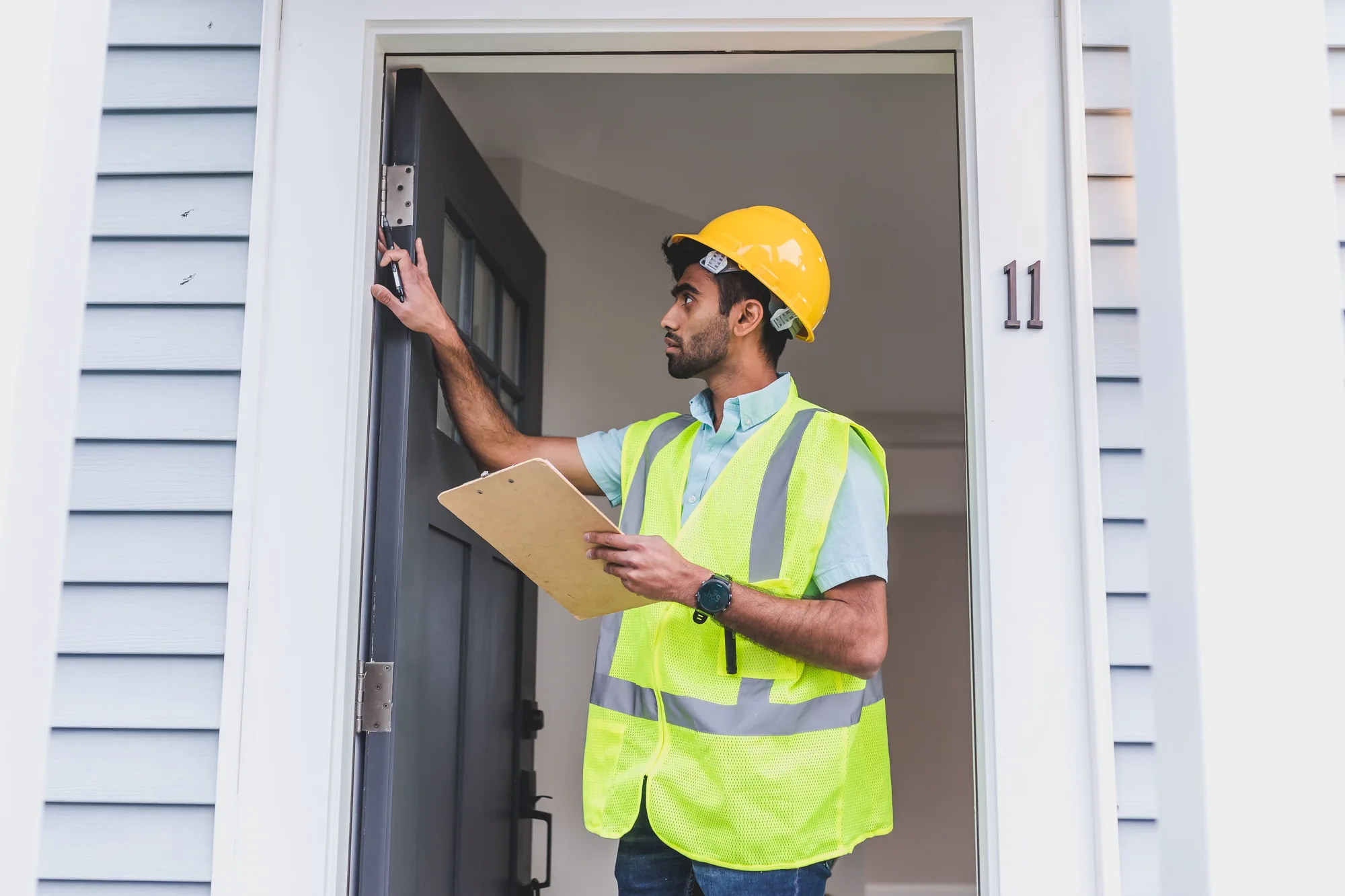
Local Factors for Inspections in Cortland County
Central New York winters are hard on houses. Heavy snow and repeated freeze-thaw cycles put stress on roofs, gutters, chimneys and foundations, and ice dams can push water under shingles. A careful home inspection in Cortland County, NY looks at roof condition, attic insulation and ventilation, and signs of water entry in the basement.
Outside cities and villages, private wells and septic systems are common, and many homes are decades or even a century old. Well water testing, septic evaluation and radon testing are all worth asking about.
Inspection Services Available in Cortland County
Inspectors who serve Cortland County offer different mixes of services, so tell us what you need in your request. Commonly requested services include:
- Pre-purchase home inspection for buyers under contract.
- Pre-listing inspection for sellers who want no surprises.
- New construction and phase inspections before drywall or before closing.
- Radon testing, commonly run for at least 48 hours.
- Well water and septic evaluations for properties off municipal systems.
- Wood-destroying insect (WDI) reports when a lender or buyer asks for one.
- Commercial property inspections for offices, retail and multi-family buildings.
Not every inspector offers every service; the one you are routed to will confirm what is included in your quote.
What to Consider Before You Book a Home Inspection in Cortland County
- An active New York license. Home inspectors in New York must be licensed by the Department of State under Article 12-B of the Real Property Law. Ask for the license number and look it up before the inspection.
- Liability insurance. New York requires licensed home inspectors to carry general liability insurance of at least $150,000 per occurrence and $500,000 in the aggregate. Ask for the certificate.
- A sample report. A good report is organized, photo-documented and clear about what is a safety issue, what needs repair and what is routine maintenance.
- Scope and add-ons. Radon, well water, septic and wood-destroying insect checks are often separate services. Mold assessment in New York requires a separate Mold Assessor license.
- Timing. Line up your home inspection in Cortland County, NY early in your contingency window so there is time to bring in a specialist if the inspector recommends one.
Need a home inspection near Cortland County?
Residential or commercial. Free to request, no obligation.
New York Home Inspection Rules Cortland County Buyers Should Know
New York is one of the states that licenses home inspectors. Under Article 12-B of the Real Property Law, anyone performing a home inspection for pay must hold a license from the Department of State. Licensed inspectors must also carry general liability insurance of at least $150,000 per occurrence and $500,000 in the aggregate.
Licensing does not cover every specialty. Mold assessment needs a separate New York Mold Assessor license, and some tests, such as lab water analysis, are handled by others. Before your home inspection in Cortland County, NY, ask for the license number and confirm it with the Department of State.
How to Prepare for Inspection Day in Cortland County
- Make sure the inspector can reach the electrical panel, furnace or boiler, water heater, attic hatch and crawlspace.
- Confirm utilities are on and pilot lights are lit.
- Leave keys for sheds, garages and gates.
- Plan to attend the last part of the inspection so the inspector can walk you through the findings.
- Bring your questions, and a notebook for anything you want to follow up on.
Good preparation lets your local home inspection in Cortland County cover everything it should in one visit.
Home Inspection Near Cortland County: Communities We Cover
This page is your starting point for a home inspection near Cortland County anywhere in Cortland County, NY. If your town is not named, send a request with your address and we will check which listed inspectors serve it.
Cortland County is part of the Central New York region, so you will also find links to nearby counties at the bottom of this page if your property sits close to a county line.
What Affects the Cost of a Home Inspection in Cortland County
We do not publish prices because they depend on the property and the inspector. The main factors are:
- Size and age of the home; older and larger homes take longer.
- Property type: single-family, condo, multi-family or commercial.
- Foundation and access: crawlspaces and large attics add time.
- Add-ons: radon, well water, septic, sewer scope and WDI reports.
The fastest way to get a real number is to request a free quote with your property details.
Six Smart Questions Before You Hire Near Cortland County
Ask for the license number, a sample report and proof of insurance. Ask how long the inspection will take and when the report will arrive. Ask what is not included, especially radon, well, septic, sewer lines and mold, and how they handle items that need a specialist.
Finally, ask about local experience. Older housing, private wells and harsh winters all show up in Central New York, and an inspector who knows Cortland County will know where to look.
Local guide
The Cortland County Home Inspection Guide
Housing, climate, systems and New York rules that shape a home inspection in Cortland County, written for buyers and sellers.
A Brief History of Housing in Cortland County
Cortland County was formed in 1808 and named for Pierre Van Cortlandt, New York's first lieutenant governor. The City of Cortland has served as the county seat since the county's founding, growing from a village settled in 1791 into an incorporated city by 1900 -- the 41st city chartered in New York State. That long settlement history matters for home inspectors and buyers alike, because it means the county's housing stock isn't a single era or style. It's a layered record of roughly two and a quarter centuries of building, from early 19th-century farmhouses and village homes built when Cortland was still finding its footing, through the industrial and institutional growth that came with the city's incorporation and the arrival of SUNY Cortland, up through mid-20th-century suburban-style construction and more recent infill and rural development.
For a buyer, this layering means two neighboring houses on the same street can have been built eighty or a hundred years apart, with correspondingly different structural systems, electrical generations, and plumbing materials. A thorough inspection has to actually account for a home's specific construction era rather than applying a one-size-fits-all checklist, which is part of why working with an inspector who is genuinely familiar with this region's housing stock is worth the effort to find.
Pre-1900 and Early 20th-Century Village Homes
In and around the City of Cortland and in older village centers like Homer, you'll find a meaningful share of homes built before or around the turn of the 20th century -- typically wood-frame construction, often with fieldstone or brick foundations, balloon framing, and additions tacked on over successive decades. These homes frequently retain real architectural character, but they also tend to carry the most layered maintenance history of any housing segment in the county, which is exactly why a careful inspection matters more here than almost anywhere else.
Mid-Century and Post-War Construction
As the city and surrounding towns grew through the mid-20th century, construction shifted toward more standardized platform framing, poured or block foundations, and the raised ranch and colonial-style layouts that became common across upstate New York during this period. These homes are generally more straightforward to inspect structurally, but they're now old enough that original mechanical systems -- heating, electrical panels, and in some cases plumbing -- are frequently at or past the end of their practical service life.
Newer and Rural-Infill Homes
Newer construction in Cortland County tends to be concentrated in more rural stretches of the towns surrounding the city, often on larger lots, and frequently built to modern energy codes with different foundation and mechanical expectations than older village housing. These homes generally present fewer age-related defects, but rural newer construction brings its own inspection priorities -- private well and septic systems chief among them -- that don't apply the same way to in-town housing on municipal utilities.
Common Building Types You'll Find Across the County
Because Cortland County's housing spans so many eras, inspectors here routinely encounter a wider-than-average range of structural and architectural types within a fairly small geographic area. Understanding which type you're buying helps set realistic expectations for what an inspection is likely to find.
Farmhouses and Converted Rural Homes
Traditional farmhouses are common throughout the county's rural towns, often expanded multiple times with additions, mudrooms, and outbuildings added over generations. Inspectors need to evaluate each addition somewhat independently, since the original structure, a 1960s addition, and a more recent sunroom can each have entirely different foundation types, framing methods, and insulation levels under one roofline.
Raised Ranches and Split-Levels
The raised ranch and split-level, built heavily across upstate New York from the 1950s through the 1970s, is a very common sight in Cortland County's suburban-style neighborhoods. These homes often have a partially below-grade level that was finished as living space, which makes moisture intrusion, grading, and foundation drainage especially important things for an inspector to evaluate carefully.
Colonials and Village-Style Homes
Two-story colonial-style homes are common both as historic village housing and as a repeated form in later 20th-century construction. Depending on vintage, these range from balloon-framed originals with knob-and-tube remnants to modern platform-framed colonials with contemporary systems, so age verification matters more than style alone when assessing what to expect.
Small-Scale Multi-Family and Student Housing
Given the presence of SUNY Cortland, the City of Cortland and some adjacent areas have a notable stock of two- and three-family homes and converted single-family houses used as rental or student housing. These properties often carry deferred maintenance from rental use and may have been informally modified (added bedrooms, basement egress changes, extra kitchens) in ways that deserve particular inspection attention for code compliance and safety.
Regional Concerns: What Makes Cortland County Different
Every New York county has its own mix of environmental and infrastructure factors that shape what a smart inspection focuses on. In Cortland County, several of these are worth understanding before you buy.
Radon Potential
Radon risk varies significantly across New York State depending on local bedrock and soil geology, and parts of Central New York and the Southern Tier -- the broader region Cortland County sits within -- are areas where radon has been a documented concern in many homes. Rather than citing a specific risk level for Cortland County that we can't independently verify, the practical guidance is simple and applies regardless of exact risk tier: the EPA and many New York home inspectors recommend testing every home for radon, since indoor levels depend heavily on individual foundation type, construction, and ventilation rather than location alone. Many local inspectors offer radon testing as an add-on service, and it's a reasonable thing to request on almost any Cortland County home, especially one with a basement that will be used as finished living space.
Lead Paint and Asbestos in Older Homes
Given how much of the county's housing predates 1978 -- when lead-based residential paint was banned nationally -- lead paint is a realistic consideration in many older Cortland County homes, particularly in the City of Cortland's historic neighborhoods and older village housing. Similarly, homes built before the 1980s may contain asbestos-containing materials in older insulation, flooring, or duct wrap. A standard visual home inspection isn't a substitute for specialized lead or asbestos testing, but a good inspector will flag suspect materials and can point you toward specialists if you want a deeper look, which is particularly worth considering if you have young children or are planning renovation work that would disturb old paint or insulation.
Well Water and Septic Systems in Cortland County
Cortland County's mix of a compact city, several villages, and a larger surrounding rural landscape means water and wastewater infrastructure varies a great deal by location. The City of Cortland and villages like Homer generally operate public water systems (Homer's, for instance, draws from groundwater wells feeding village water mains and storage tanks) along with municipal or shared sewer service in the more built-up areas. Once you move into the more rural stretches of the surrounding towns, however, private wells and on-site septic systems become far more common, simply because extending municipal lines to lower-density areas isn't always practical.
What a Well and Septic Inspection Should Cover
If you're buying a home on a well and septic system, budget for a separate water quality test (checking for things like bacteria, nitrates, and in some cases specific regional contaminants a local lab can advise on) and a septic function evaluation, since these are typically not included in a standard home inspection scope. Ask specifically whether your inspector performs these services directly or refers out to a specialist.
Confirming Infrastructure Before You're Under Contract
Because the pattern of municipal versus private infrastructure can change from one property to the next even within the same small village, never assume connection status based on a neighboring home or general reputation. Confirm directly with the seller, the town or village office, or your inspector exactly what a specific parcel is connected to before finalizing your decision.
Flood Exposure Along the Tioughnioga River
The Tioughnioga River, with its East and West Branches converging near the City of Cortland, has a well-documented flood history in this area, serious enough that the Army Corps of Engineers built a flood control project for the city back in the late 1950s. Low-lying areas near the river and its branches -- including sections of the city itself -- have experienced flooding over the decades, including notable high-water events.
What to Ask Your Inspector About Flood History
If you're considering a property anywhere near the Tioughnioga or its tributaries, it's worth checking FEMA flood zone status for that specific parcel and asking your inspector to pay close attention to basement moisture history, sump pump systems, and site grading, in addition to carrying flood insurance if the property warrants it.
Common Defects Found in Cortland County Homes
While every home is different, local inspectors tend to see recurring patterns tied to the county's housing-stock eras. Knowing what's common helps you read an inspection report with better context.
Foundation and Basement Issues in Older Homes
Fieldstone and early block foundations common in the county's older village and farmhouse stock are prone to water infiltration, mortar deterioration, and settling cracks over a century-plus of freeze-thaw cycles typical of upstate New York winters. These aren't automatically disqualifying, but they're exactly the kind of finding that benefits from an inspector who can distinguish cosmetic cracking from a structurally significant issue.
Outdated Electrical Systems
Homes built before mid-century modernization efforts frequently still have remnants of older wiring systems, undersized electrical panels, or a patchwork of upgrades done at different times by different people. Fuse boxes, aluminum branch wiring from certain eras, and insufficient grounding are common findings that an inspector should document clearly, since these often affect insurability as much as safety.
Aging Heating Systems
Given upstate New York's heating-dominated climate, furnace and boiler condition is one of the most consequential things an inspection evaluates here. Older oil and gas furnaces, boilers nearing or past typical service life, and homes still running on less efficient original systems are all common in a county with this much older housing stock, and heating system age and condition should factor directly into your near-term budget planning.
Roof and Moisture Issues from Heavy Snow Load
Cortland County's winters bring substantial snowfall, and roofs that have gone too long between replacements -- or that were poorly ventilated to begin with -- commonly show ice-dam damage, soffit and fascia deterioration, or attic moisture issues by the time they're inspected. This is a recurring theme across older housing in the region and well worth a close look during any inspection, especially on homes with additions where roof lines intersect.
Cortland: The County's Hub for Homebuyers and Inspectors
The City of Cortland is the county's population and economic center, home to SUNY Cortland and most of the county's commercial and institutional infrastructure, and it's also where both NACHI-certified inspectors currently listed for this county are based. If you're buying anywhere in Cortland County, there's a strong chance your inspector will either live in or regularly work throughout Cortland and its immediately surrounding areas, which is a genuine advantage: an inspector who routinely works in a specific city develops real familiarity with its housing stock, its common contractors, and its recurring issues, rather than treating every inspection as a blank slate.
What's Locally Specific About Inspecting Homes in Cortland
Cortland's housing mixes historic in-city neighborhoods near downtown and the SUNY campus with later-era residential streets further out, plus a meaningful rental and student-housing segment tied to the university. An inspection in the city often needs to account for conversion history (single-family to multi-family), rental-related wear, and the age range running from pre-1900 village construction through mid-century and newer infill -- all within city limits. Basement and foundation moisture evaluation also carries extra weight here given the city's position relative to the Tioughnioga River's East and West Branches.
Buying or Selling Near SUNY Cortland: What to Expect
Properties near SUNY Cortland -- whether a family home a few blocks from campus or a property currently used as student rental housing -- come with their own inspection considerations. Fire safety items (smoke detectors, egress windows, means of escape from finished basement space), the condition of systems in a home that's seen years of rental turnover, and any unpermitted modifications made to maximize bedroom count are all things a buyer in this part of the city should ask their inspector to pay particular attention to, beyond the standard inspection checklist.
Homer: A Village with Its Own Water System and Historic Core
The Village of Homer, just north of the City of Cortland, is one of the county's more distinct housing markets, with a historic village green and a notable concentration of older homes reflecting the village's long settlement history. One genuinely useful fact for buyers here: Homer operates its own public water system, drawing from groundwater wells and distributing through village mains and storage tanks, which is a point worth confirming directly if you're buying in or near the village, since not every nearby property is necessarily on that system (the village has, in fact, had to work on connecting a small number of remaining non-connected properties over time). Older homes in Homer's historic core also deserve the same pre-1978 lead paint awareness noted earlier in this guide, given the age of much of the village's housing stock.
McGraw: A Smaller Village with Its Own Infrastructure History
The Village of McGraw, east of the City of Cortland, is a smaller, close-knit community with its own distinct history, including village-specific water and sewer planning carried out separately from the city's own systems. As with the county's other small villages, the practical lesson for a buyer here is the same one that applies county-wide: village boundaries don't automatically mean uniform infrastructure, and a specific property's water and sewer connection status is always worth confirming directly with the village office or current owner rather than assumed from the address alone.
Marathon and the County's Southern Towns
In the southern part of Cortland County, the Village of Marathon and surrounding rural towns represent a noticeably different housing profile than the more urban north around the City of Cortland. This area tends toward lower density, a higher proportion of older farmhouses and rural homesteads, and a greater reliance on private wells and septic systems given the more dispersed settlement pattern. Wastewater infrastructure for the Marathon area has historically been studied and developed on a village-specific basis rather than as part of a larger county-wide sewer district, which is consistent with the general pattern across the county's smaller villages: don't assume because one nearby village has municipal sewer or water that a neighboring property does too -- confirm the specific parcel's infrastructure directly before you're deep into a transaction.
What a Standard Home Inspection in Cortland County Covers
A standard home inspection, wherever you are in the county, generally follows a similar structure, even though the specific findings will vary enormously based on the home's age and type discussed above.
Structural and Exterior Components
This includes the foundation, framing (to the extent visible), roof covering and structure, siding, windows, doors, grading, and drainage around the home's perimeter -- all evaluated for visible signs of damage, deterioration, or improper installation.
Major Systems: Electrical, Plumbing, and HVAC
Inspectors evaluate the electrical panel and visible wiring, plumbing supply and drain lines, water heater, and the heating (and cooling, if present) system's apparent age, condition, and basic function, flagging anything that appears outdated, unsafe, or near the end of its service life.
Interior and Basement/Crawlspace Evaluation
This covers interior finishes to the extent they reveal underlying issues, along with a close look at the basement or crawlspace for moisture intrusion, structural concerns, insulation condition, and any signs of past water damage -- a category that deserves particular attention given this county's foundation types and flood history discussed earlier.

What's Typically Not Included (and Worth Adding)
A standard visual home inspection has a defined scope, and several services relevant to Cortland County properties specifically are usually offered separately rather than bundled in by default.
Radon Testing as an Add-On
As discussed above, radon testing is almost always a separate add-on, typically involving a test canister or continuous monitor left in the home for a set period. Given the regional geology considerations already noted, this is one of the more worthwhile add-ons to request for any Cortland County home with a basement.
Wood-Destroying Insect (WDI) Inspections
Termite and carpenter ant activity, along with wood rot from moisture, is evaluated under a separate WDI inspection in many cases, which some lenders require depending on loan type. This is a reasonable add-on for older homes with wood foundations or a history of moisture issues.
How New York State Regulates Home Inspectors
Home inspectors practicing in Cortland County, like everywhere else in the state, are regulated under New York's home inspection licensing law, administered by the New York State Department of State's Division of Licensing Services. This gives buyers a meaningful layer of consumer protection that isn't present in every state.
Licensing Pathways and Requirements
New York State requires licensed home inspectors to meet specific education and experience standards before they can practice. The Department of State recognizes two main pathways to licensure: completing a DOS-approved training course of at least 140 hours (which must include a substantial number of unpaid field-based inspection hours under supervision), or alternatively documenting a minimum number of supervised home inspections performed under a licensed inspector. Either pathway also requires passing a qualifying examination -- either the National Home Inspector Exam or New York's own state exam -- along with meeting basic eligibility requirements like a high school education and a background free of disqualifying criminal history.
Continuing Education and Renewal
New York State requires licensed home inspectors to complete a set number of hours of approved continuing education during each license renewal period in order to keep their license active, which is meant to help ensure that practicing inspectors stay current on building science, safety standards, and best practices rather than relying solely on initial training from years or decades earlier.
What NACHI Certification Adds
Beyond the state license required to legally practice, NACHI (the International Association of Certified Home Inspectors) certification represents an inspector's additional investment in training, continuing education, and adherence to a professional standards and ethics framework. All inspectors listed in this directory for Cortland County hold NACHI certification in addition to their required New York State license, which is a reasonable signal of an inspector's ongoing professional engagement with the field.
How to Choose a Home Inspector in Cortland County
With a limited number of inspectors listed as serving this county, choosing well matters -- but the fundamentals of a good choice don't change based on how many options you have.
Verify the NY State License
Before hiring anyone, confirm their home inspector license is active and in good standing with the New York State Department of State. This is a quick check that protects you from the rare case of someone practicing without proper credentials.
Ask About Local Experience
Given how much Cortland County's housing stock varies by era and location, ask directly how much experience a prospective inspector has with the specific type of home you're buying -- a pre-1900 village house, a rural property on well and septic, a raised ranch, or a city multi-family conversion each call for somewhat different expertise.
Confirm What's Included Before You Book
As covered above, radon, well/septic, and WDI testing are commonly separate from the base inspection fee. Get a clear, itemized understanding of exactly what's covered and what costs extra before the inspection day, so there are no surprises in either scope or final cost.
Request a Sample Report
A thorough, well-organized, clearly written report with good photo documentation is worth more to you after the fact than the inspection itself in some ways, since it's the document you'll actually use to negotiate or plan repairs. Most reputable inspectors will share a sample report on request.
Typical Home Inspection Costs in Cortland County
As a general planning estimate for 2025-2026, standard single-family home inspections in Cortland County commonly fall somewhere in the range of roughly $350 to $600, with the exact figure depending on square footage, age, foundation type, and whether any add-on services are bundled in. Smaller, newer homes on municipal utilities tend toward the lower end of that range, while larger, older homes -- or rural properties requiring well and septic add-ons -- often land higher. These numbers are general estimates meant for budgeting purposes only, not quotes, and you should always request current pricing directly from an inspector for your specific property.
Add-On Service Pricing
Radon testing, well water testing, septic evaluation, and WDI inspections are each typically priced separately, commonly in a range of roughly $75 to $250 or more per service depending on complexity and what's involved. Bundling multiple add-ons with your main inspection sometimes brings a modest discount, so it's worth asking.
The Buyer's Inspection Process, Step by Step
Understanding the typical sequence helps you plan your timeline realistically once you're under contract on a Cortland County property.
Scheduling After Contract Acceptance
Most purchase contracts in New York include an inspection contingency period, during which the buyer arranges and completes the inspection. Given the limited number of local inspectors, it's wise to start reaching out as soon as your offer is accepted rather than waiting, since availability can be tighter in a smaller market than in a major metro area.
The Inspection Day
A typical single-family home inspection takes a few hours on site, during which the inspector examines the structure, systems, and components discussed earlier in this guide. Buyers are generally encouraged to attend in person when possible, since walking through the home with the inspector and asking questions in real time is often more valuable than reading the report alone.
The Report and Negotiation Window
Inspectors typically deliver a written report, often with photos, within a day or two of the inspection. Buyers then generally have a defined window under their contract to request repairs, a price adjustment, or in some cases to exercise a contingency to exit the contract, depending on what's found and how it's negotiated with the seller.
Seller Considerations: Pre-Listing Inspections
While most inspections in Cortland County happen on the buyer's side after an offer is accepted, some sellers -- particularly those with older homes where surprises are more likely -- choose to commission their own pre-listing inspection. This can surface issues early enough to address them before listing, or at minimum lets a seller price and market the home with full knowledge of its condition, which can reduce the risk of a deal falling apart after a buyer's inspection turns up something significant late in the process.
When a Pre-Listing Inspection Makes Sense
Pre-listing inspections tend to make the most sense for older homes, properties that have been rental units, or homes the seller suspects may have deferred maintenance issues, since the goal is avoiding late-stage surprises rather than passing or failing a report.
How Inspection Findings Affect Closing Timelines
Inspection results can meaningfully affect how quickly -- or slowly -- a Cortland County transaction moves to closing, and it's worth planning for this rather than being caught off guard.
When Findings Lead to Renegotiation
Significant findings -- a failing heating system, foundation concerns, or electrical safety issues, for example -- commonly trigger a renegotiation period where buyer and seller work out repairs, credits, or a price adjustment. This process can add days to weeks to a closing timeline depending on how quickly both sides reach agreement.
When Follow-Up Inspections Are Needed
Sometimes an inspection reveals the need for a specialist follow-up -- a structural engineer's evaluation of a foundation concern, for instance, or a deeper septic system assessment. Building this possibility into your timeline expectations from the start, especially for older or rural Cortland County properties, helps avoid unnecessary stress if it happens.
Insurance and Financing Considerations Tied to Inspection Findings
Certain inspection findings can affect more than just your negotiation leverage -- they can also affect your ability to get financing or insurance on reasonable terms, which matters particularly for Cortland County's older housing stock.
Electrical and Roof Age Affecting Insurability
Some homeowners insurance carriers scrutinize older electrical systems (fuse panels, certain wiring types) and roof age/condition closely before issuing a policy, occasionally requiring upgrades as a condition of coverage. Given how many older homes exist throughout this county, it's worth having this conversation with an insurance agent early, ideally informed by your inspection report.
Flood Zone Status and Lender Requirements
If a property falls within a FEMA-designated flood zone, most lenders will require flood insurance as a condition of the mortgage, which is a cost to factor into your overall budget well before closing -- worth checking specifically for anything near the Tioughnioga River, as discussed earlier.
Maintaining Your Home After the Inspection
A home inspection is a snapshot in time, not a one-time fix for everything a home will ever need. Once you've closed, using your inspection report as an ongoing maintenance roadmap is one of the most practical things a new Cortland County homeowner can do.
Prioritizing Findings by Urgency
Not every item in an inspection report needs immediate attention. Safety issues (electrical, structural, carbon monoxide risks) generally warrant prompt action, while cosmetic or long-horizon maintenance items (aging roof with years of life left, minor cosmetic foundation cracking) can often be budgeted for over time rather than addressed immediately.
Seasonal Maintenance Given This Region's Climate
Given Cortland County's significant snow load and freeze-thaw cycles, ongoing attention to roof condition, gutter and drainage function, and foundation grading pays off disproportionately here compared to milder climates, since water management is consistently the root cause behind many of the recurring defects discussed earlier in this guide.
Why Local Inspection Expertise Matters in a County Like This
Cortland County packs an unusually wide range of housing eras, building types, and infrastructure situations into a relatively small, rural-leaning county -- from pre-1900 village homes and student rentals in the City of Cortland, to Homer's and McGraw's distinct village water and sewer histories, to rural towns like those around Marathon where private wells and septic systems are simply how things work. That range is exactly why working with an inspector who genuinely knows this specific county, rather than one treating it as generic upstate New York territory, tends to produce a more useful, locally grounded inspection report -- which is the whole point of having one done in the first place.
Home Inspection in Cortland County: FAQ
How do I get a home inspection near Cortland County, NY?
Send a free request through Inspecverse with your property address, property type and timing. We review it and route it to a NACHI-certified inspector who serves Cortland County, who may then contact you with a quote. Right now 2 NACHI-certified inspectors are listed for Cortland County on this page.
Does Inspecverse perform the inspection itself?
No. Inspecverse is a referral directory. The licensed home inspector you hire performs the inspection and writes the report. We do not license, insure or guarantee inspectors, so always confirm the inspector holds an active New York home inspector license before the inspection.
How much does a home inspection cost in Cortland County, NY?
As a general estimate, a standard single-family home inspection in Cortland County in 2025-2026 typically falls somewhere in the range of $350 to $600, depending on the home's size, age, and foundation type. Add-on services such as radon testing, well water testing, septic evaluation, or a wood-destroying insect inspection are usually priced separately, commonly adding roughly $75 to $250 or more per service. Older farmhouses, larger homes, or properties needing well/septic testing tend to land at the higher end. These figures are general planning estimates only, not quotes -- always confirm current pricing directly with an inspector for your specific property.
Is a home inspection required to buy a house in Cortland County?
New York State does not legally require a home inspection to complete a residential purchase, and it isn't the same thing as the appraisal your lender may require (an appraisal evaluates value for lending purposes, not condition). That said, a professional inspection is standard practice and strongly advisable almost everywhere in Cortland County, since it's typically your best opportunity to understand a property's actual condition before your contingency period ends and to negotiate based on documented findings rather than guesswork.
Do I need a separate well and septic inspection in Cortland County?
If you're buying a property on a private well and septic system -- common throughout many of the county's more rural towns -- a separate well water test and septic evaluation is highly advisable, since standard home inspections typically don't include a full septic function test or comprehensive water potability analysis by default. Many inspectors offer these as add-on services or can refer you to a qualified specialist; ask about this explicitly before booking.
What does New York State require of licensed home inspectors?
New York State Department of State requires home inspectors to be licensed under the state's home inspection law before practicing. Licensure requires meeting one of two main pathways -- completing an approved training course of at least 140 hours (including substantial supervised field hours) or documenting a minimum number of supervised inspections -- plus passing a qualifying exam and meeting basic eligibility requirements. Licensed inspectors must also complete continuing education during each renewal period to keep their license active.
What's the difference between a state-licensed inspector and a NACHI-certified inspector?
A New York State home inspector license is the legal requirement to practice in this state, issued by the Department of State's Division of Licensing Services. NACHI (the International Association of Certified Home Inspectors) certification is an additional, voluntary professional credential reflecting further training, continuing education, and adherence to a standards and ethics framework. The inspectors listed for Cortland County hold both the required state license and NACHI certification.
Is radon a concern for homes in Cortland County?
Radon potential varies across New York State depending on local geology, and parts of the broader Central New York and Southern Tier region have documented radon concerns in some homes. Rather than citing a risk figure specific to this county that hasn't been independently confirmed, the practical approach that applies regardless of exact risk level is straightforward: test every home for radon, since indoor levels depend heavily on individual construction and foundation details rather than location alone. Many local inspectors offer radon testing as an add-on worth requesting, especially for homes with finished basement space.
How long does the inspection and negotiation process typically take?
Most New York purchase contracts include a defined inspection contingency period, and the inspection itself usually takes a few hours on-site with a written report following within a day or two. If findings lead to repair or price negotiations, that process can add anywhere from a few days to a couple of weeks to your closing timeline, depending on how quickly both parties reach agreement -- which is worth building into your overall schedule expectations from the start.
Should I get a pre-listing inspection if I'm selling in Cortland County?
It isn't required, but a pre-listing inspection can be a smart move for sellers of older homes, former rental properties, or any home where the owner suspects deferred maintenance issues might exist. Finding out about significant problems before you list -- rather than having a buyer's inspection surface them late in the process -- gives you the option to address issues upfront or price and market the home with full knowledge of its condition, reducing the risk of a deal falling apart after an accepted offer.
Home Inspection in Nearby Areas
Helpful Home Inspection Guides


Ready for a local home inspection in Cortland County?
Send one free request. We review it and route it to a NACHI-certified inspector who serves Cortland County, who may then contact you with a quote.