
Southern Tier · Chemung County
Local Home Inspectors Serving Horseheads, NY
One short form connects buyers, sellers and owners in Horseheads with a NACHI-certified inspector who lists the area. It is free and there is no obligation.
- Inspectors listed
- 3
- County
- Chemung
- To request
- Free
Horseheads sits at a crossroads in more ways than one. Geographically, this Chemung County village and surrounding town occupy a strategic spot where Route 17/I-86 meets the north-south corridors into the Finger Lakes, just a few miles northwest of Elmira. Historically, it grew up as a transportation and later a retail hub for the Southern Tier, which shows up directly in its housing stock: a core of older village homes dating to the early-to-mid 20th century, ringed by waves of postwar and later-20th-century development as the town expanded outward along the commercial corridors near Arnot Mall and the surrounding plazas.
If you're buying or selling a home here, that layered development history matters more than it might seem. A 1920s village bungalow with a fieldstone foundation has a completely different set of inspection priorities than a 1998 colonial in a town subdivision, and a home inspector who understands which era you're dealing with — and what tends to go wrong in each — is worth more than a generic checklist-runner. This guide walks through what you actually need to know: the housing stock itself, what inspections commonly turn up locally, how New York State licensing works, what things cost, how the timeline fits together, and how to choose the right inspector for a Horseheads property specifically.
Three NACHI-certified home inspectors currently list Horseheads directly within their primary service area, which is enough real, documented coverage to warrant this standalone page rather than folding Horseheads into a broader Chemung County writeup the way smaller surrounding hamlets are handled. That density reflects genuine local demand — Horseheads is one of the more active residential markets in the county — and it means you have real options to compare rather than reaching outside the immediate area.
What We Do: Connecting Horseheads Property Owners With Local Inspectors
Inspecverse is a New York inspection directory and referral service. When you need a local home inspection in Horseheads, you fill out one short request with the property type, address and timing, and we review it and route it to a NACHI-certified inspector who lists Horseheads in their service area. The inspector, not Inspecverse, performs the inspection and writes the report.
That keeps the first step simple for buyers, sellers and owners in Horseheads, NY: no cold-calling a list of strangers, no guessing who actually drives to your street, and no cost to submit a request. Right now 3 NACHI-certified inspectors are listed for Horseheads on this page.
- Residential: single-family houses, condos, co-ops, townhomes and small multi-family buildings.
- Commercial: offices, retail, mixed-use, light industrial and investment property.
- Add-on testing you can ask about: radon, well water, septic and wood-destroying insects.
Inside a Standard Horseheads Home Inspection
A typical local home inspection in Horseheads follows the house from the ground up: the foundation and basement, the structure and exterior, the roof, then the mechanical systems (plumbing, electrical, heating and cooling) and finally the interior, attic and insulation.
The inspection is visual and limited to what is readily accessible. If the inspector sees something that needs a closer look, such as a chimney liner, a sewer line or a structural crack, the report will usually recommend a specialist rather than guess.
Directory
Home Inspectors Serving Horseheads
3 NACHI-certified inspectors
Chad Ewell
Brick and Mortar Home Services
Certified Professional Inspector®
Jason Hartman
Hartman and Herrick Home Inspection Services LLC
Certified Professional Inspector®
Jason Muckey
Precision Home Inspection of the Twin Tiers, LLC.
Certified Professional Inspector®
Contact details stay private. Send one request and we route it to an inspector who serves Horseheads.
Request a QuoteWhy Choose Inspecverse for a Home Inspection in Horseheads?
Buyers and owners in Horseheads, NY have plenty of ways to find an inspector. Here is why many start with us:
- Local by design. Requests for Horseheads go to inspectors who list this area, not to a national call center.
- One form, both tracks. Residential and commercial requests use the same short form, and you only answer the questions that apply to your property.
- Credentials up front. Inspectors on this page are shown by name and InterNACHI credential, so you can see who serves Horseheads before you ask for a quote.
- Free, no obligation. Submitting a request costs nothing and does not commit you to hiring anyone.
- Plain-English New York guidance. We explain how New York licensing works so you can check any inspector yourself.
Ready when you are: request a free quote.
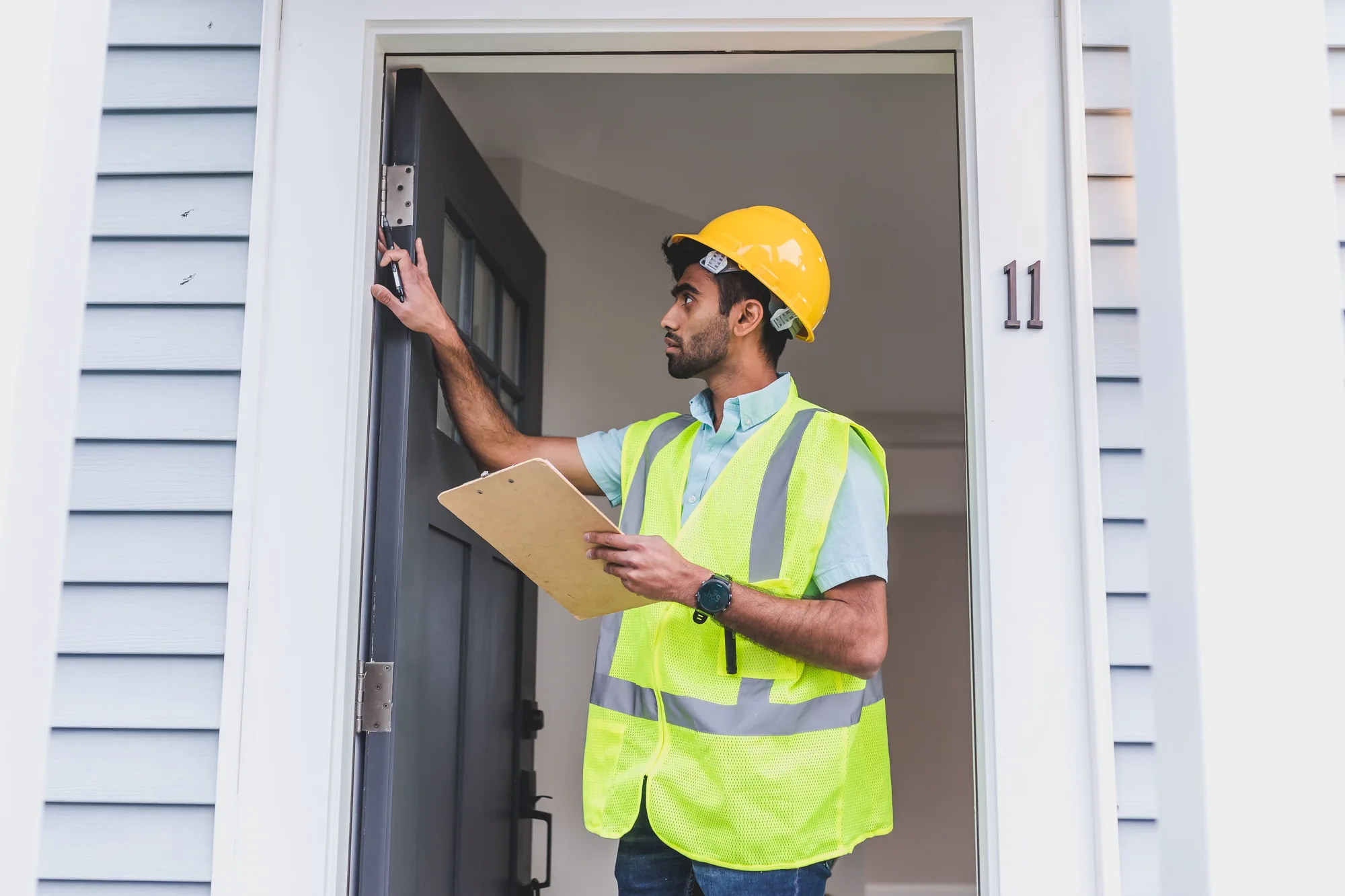
Local Factors for Inspections in Horseheads
Southern Tier winters are hard on houses. Heavy snow and repeated freeze-thaw cycles put stress on roofs, gutters, chimneys and foundations, and ice dams can push water under shingles. A careful home inspection in Horseheads, NY looks at roof condition, attic insulation and ventilation, and signs of water entry in the basement.
Outside cities and villages, private wells and septic systems are common, and many homes are decades or even a century old. Well water testing, septic evaluation and radon testing are all worth asking about.
What to Consider Before You Book a Home Inspection in Horseheads
- An active New York license. Home inspectors in New York must be licensed by the Department of State under Article 12-B of the Real Property Law. Ask for the license number and look it up before the inspection.
- Liability insurance. New York requires licensed home inspectors to carry general liability insurance of at least $150,000 per occurrence and $500,000 in the aggregate. Ask for the certificate.
- A sample report. A good report is organized, photo-documented and clear about what is a safety issue, what needs repair and what is routine maintenance.
- Scope and add-ons. Radon, well water, septic and wood-destroying insect checks are often separate services. Mold assessment in New York requires a separate Mold Assessor license.
- Timing. Line up your home inspection in Horseheads, NY early in your contingency window so there is time to bring in a specialist if the inspector recommends one.
From Request to Report: How Your Horseheads Inspection Comes Together
Most people come to this page because they need a home inspection near Horseheads soon. The process is short: you submit one request, we pass it to an inspector who serves the area, and that inspector contacts you with a quote and a time.
On inspection day, plan for a few hours depending on the size and age of the property. The written report follows, and that report, not a verbal summary, is what you and your agent will rely on for any repair request.
Need a home inspection near Horseheads?
Residential or commercial. Free to request, no obligation.
Inspection Services Available in Horseheads
Inspectors who serve Horseheads offer different mixes of services, so tell us what you need in your request. Commonly requested services include:
- Pre-purchase home inspection for buyers under contract.
- Pre-listing inspection for sellers who want no surprises.
- New construction and phase inspections before drywall or before closing.
- Radon testing, commonly run for at least 48 hours.
- Well water and septic evaluations for properties off municipal systems.
- Wood-destroying insect (WDI) reports when a lender or buyer asks for one.
- Commercial property inspections for offices, retail and multi-family buildings.
Not every inspector offers every service; the one you are routed to will confirm what is included in your quote.
What Makes This Directory Different in Southern Tier
Most inspection directories are national. Ours covers New York State only, Southern Tier included, and every location page is written around local housing and New York's inspection rules rather than recycled boilerplate.
We also say plainly what we are: a referral directory. We do not claim to license, insure or guarantee inspectors. New York's Department of State licenses home inspectors under Article 12-B of the Real Property Law, and this page shows you how to confirm a license yourself before you book a local home inspection in Horseheads.
Home Inspection Near Horseheads: Where Our Inspectors Work
Looking for a home inspection near Horseheads? Horseheads sits in Chemung County, part of the Southern Tier region. Requests from the surrounding towns in Chemung County are welcome too.
Send your request with the property address and we will route it to an inspector who covers that exact location. Right now 3 NACHI-certified inspectors are listed for Horseheads on this page.
After the Inspection: Using Your Report in Horseheads
Your report will usually separate safety concerns, items needing repair and routine maintenance. Read the summary first, then the details and photos, and call the inspector with questions.
From there, buyers typically talk with their agent and attorney about repair requests or credits, and bring in a licensed contractor or specialist for anything the inspector flagged for further evaluation. Keep the report; it doubles as a maintenance checklist for your first years in the home.
Local guide
The Horseheads Home Inspection Guide
Housing, climate, systems and New York rules that shape a home inspection in Horseheads, written for buyers and sellers.
Horseheads' Housing Stock and Architectural Character
Horseheads didn't develop in one wave, and that's the single most useful thing to understand before you start evaluating a property here. The village core — the older, walkable grid near the historic downtown and the Chemung River flats — holds the oldest housing, much of it built in the early-to-mid 1900s when Horseheads functioned as a rail and road junction town. Move outward from that core toward the commercial strips along Route 14 and the areas near Arnot Mall, and you move chronologically forward too, into the postwar ranch and split-level boom of the 1950s through 1970s, and then into later-20th-century and some more recent subdivision development on the town's outer edges.
This matters for inspection purposes because each era carries its own typical failure points. A village-era home was very likely built before modern electrical and plumbing codes existed in anything like their current form, which means original systems have usually been replaced or patched incrementally over decades — and incremental patching is exactly where inspectors find the most inconsistent, sometimes unsafe, work. A midcentury ranch is more likely to have its original systems largely intact but aging out simultaneously, which creates a different kind of risk: multiple big-ticket items (roof, furnace, water heater) all approaching end-of-life at once rather than one glaring problem.
The Historic Village Core
Homes in and near the older village grid tend toward wood-frame construction with varied foundation types — fieldstone, early poured concrete, and later block, sometimes mixed within the same structure due to additions. These are the homes most likely to need a close look at foundation drainage, knob-and-tube or early wiring remnants, and roof framing that may have been altered over multiple ownership generations. They're also often charming, well-built homes that simply need an inspector who knows what a healthy 90-to-100-year-old structure actually looks like versus one in real trouble.
Postwar Ranch and Split-Level Neighborhoods
The mid-century expansion brought the ranch and split-level forms that are extremely common throughout this part of the town. These homes are generally straightforward to inspect structurally, but their systems — furnaces, water heaters, electrical panels, and original windows — are now well past the point where replacement is the expected norm rather than the exception. Buyers should treat these homes' mechanical systems as a near-certain negotiation point, not a surprise.
Newer Construction and the Town's Growth Edges
On the town's outer edges, closer to the newer commercial development, you'll find later-build homes with more contemporary layouts, engineered materials, and updated code compliance. These generally present fewer surprises, but 'newer' in Horseheads terms often still means decades old, so don't assume a newer-looking home is maintenance-free — and any genuinely new construction still warrants a full independent inspection, which a later section of this guide covers in detail.
Subdivision-Era Homes
These properties typically show better energy efficiency, updated electrical capacity, and fewer of the layered-repair issues common in older homes. The trade-off is that buyers sometimes assume newer automatically means problem-free, which leads them to skip or shorten the inspection — a mistake regardless of a home's age.
A Quick Note on Horseheads' Village and Town Structure
One detail that trips up out-of-area buyers: 'Horseheads' refers to both an incorporated village and the larger Town of Horseheads that surrounds it, and the distinction actually affects your inspection checklist. Properties inside the village limits are almost always on municipal water and sewer. Properties in the surrounding town — particularly toward the rural and semi-rural edges — may still rely on private wells and septic systems. Knowing which situation applies to the specific property you're looking at changes which specialized inspections you need to book, which is why it's worth confirming this early rather than assuming.
Why This Isn't Just a Technicality
A well-and-septic property needs water quality testing and a septic system evaluation that a standard home inspection does not include and isn't equipped to perform. These are separate line items, separate specialists in many cases, and separate scheduling considerations. Skipping this step on a town-edge property because you assumed municipal service is one of the more expensive mistakes a buyer can make here.
How to Confirm Which Situation Applies
Ask your listing agent directly, check the property disclosure paperwork, or ask your inspector to confirm during the initial scheduling call. It takes one question to settle, and settling it early prevents a last-minute scramble to book a separate well or septic specialist close to your inspection contingency deadline.
What Home Inspections in Horseheads Commonly Find
No two inspections turn up identical results, but patterns emerge when you look at a housing stock with this particular age distribution and this particular climate. The Southern Tier's freeze-thaw winters, clay-heavy regional soils, and the mix of older and aging-but-not-ancient housing combine to produce a fairly predictable set of recurring issues — none of which should be treated as unique disqualifiers, but all of which are worth budgeting for or negotiating around.
Roofing Near or Past Expected Lifespan
Asphalt shingle roofs have a well-understood functional lifespan, and a meaningful share of the area's housing stock is old enough that roofing is at or approaching that point. Inspectors routinely flag granule loss, flashing issues around chimneys and valleys, and attic ventilation problems that accelerate roof aging from underneath.
Foundation and Basement Moisture
Regional clay soils expand and contract with moisture and seasonal freeze-thaw cycles, which puts steady pressure on foundation walls over the decades. Minor cracking, efflorescence (the white mineral staining that signals past water intrusion), and basement dampness are common findings, particularly in older village-core homes with original or early-replacement foundations.
Electrical and Mechanical System Concerns
Beyond the structural issues above, the systems inside a Horseheads home — wiring, panels, heating, and water heating — tend to tell their own story about how the home was maintained and updated across ownership generations. These findings rarely stop a sale, but they're consistently among the most expensive repair categories when they do surface.
Electrical Systems Layered Over Time
Homes that have passed through several owners over 50-plus years frequently show electrical work done in stages by different people with different skill levels and different-era code knowledge. Inspectors commonly flag outdated panel types, insufficient grounding, overloaded circuits, and amateur additions like extra outlets or fixtures wired without permits.
Aging Mechanical Systems
Furnaces, water heaters, and central air systems all have expected service lives, and in a housing stock with this age profile, a meaningful number of homes are carrying original or first-replacement equipment that's nearing the end of its useful run. This is less often a safety issue and more often a near-term budgeting issue buyers should factor into their offer.
Deferred Maintenance on Long-Held Homes
It's common in a stable, multi-generational community like this one for homes to be sold after a single family held them for 30, 40, or more years. That stability is a good sign for the home's overall history, but it often also means a backlog of smaller maintenance items — caulking, weatherstripping, minor exterior repairs — that an active, more frequently-turning-over market would have forced to the surface sooner.
New York State Home Inspector Licensing: What It Means for You
New York State requires home inspectors to hold a license issued by the Department of State, which involves completing state-approved pre-licensing coursework, passing a licensing examination, and maintaining the insurance coverage the state requires. This licensing framework exists specifically to create a baseline of competence and accountability — it's not a rubber stamp, and it's one of the clearest ways to screen out unqualified or fly-by-night operators before you ever meet them in person.
How to Verify a License
Before hiring anyone, ask directly for their NY State home inspector license number and confirm that the license is current and in good standing. A legitimate inspector will have this information ready without hesitation — it should never feel like an awkward or unusual question to ask.
InterNACHI Certification and Why It Matters Here
On top of state licensing, many of the area's most established inspectors also hold certification through InterNACHI (the International Association of Certified Home Inspectors), a national professional organization with its own continuing education and ethics requirements. The three inspectors directly serving Horseheads carry this InterNACHI certification, which gives you a second, independent layer of professional accountability beyond the state license alone.
Why Certification Beyond the License Still Matters
State licensing sets the floor. Third-party certifications like InterNACHI signal an inspector who's invested in ongoing education beyond the legal minimum, which tends to show up in the thoroughness and clarity of the report you actually receive.
What InterNACHI Membership Typically Signals
Continued education requirements, access to standardized inspection checklists and reporting software, and adherence to a published code of ethics are all part of maintaining InterNACHI status. It's a reasonable proxy for professionalism, though it should be paired with — not substituted for — confirming state licensure.
How to Choose a Home Inspector in Horseheads
With three NACHI-certified inspectors directly serving Horseheads, you have real choice rather than a single default option — and that choice is worth taking seriously rather than defaulting to whoever your agent mentions first. A good inspector for this specific market understands the village-versus-town distinction, knows what to expect from each housing era described above, and communicates findings in a way you can actually act on.
Ask About Local Experience Specifically
An inspector who's worked regularly in the Horseheads area will recognize the difference between a normal-for-its-age fieldstone foundation and a genuinely failing one, or between standard regional basement dampness and an active water intrusion problem. That pattern recognition only comes from local repetition, not generic national training alone.
Confirm Credentials Before You Book
Verify NY State licensing and ask about InterNACHI or equivalent certification directly. Don't rely solely on a website claim — ask for the license number and, if you want extra confidence, look up the inspector's InterNACHI profile yourself.
Questions to Ask Before You Book
A short, direct set of questions before booking saves you from mismatched expectations on inspection day. None of these should feel like an imposition to ask — a professional inspector expects them.
What's Included in the Base Price
Base inspection pricing varies in what it covers. Some inspectors include a written digital report with photos as standard; others treat that as an add-on. Some include a basic moisture reading or infrared spot-check; others don't. Get this in writing before the inspection day so there are no surprises on the invoice.
Whether Sample Reports Are Available
A sample report tells you more about an inspector's thoroughness than almost anything else. Look for clear photos, specific (not vague) descriptions of issues, and recommendations that distinguish between urgent safety items and routine maintenance notes.
How Long the Inspection and Report Will Take
A typical single-family inspection takes two to four hours on-site, with the written report usually delivered within 24 to 48 hours afterward. If an inspector's timeline runs significantly outside that range in either direction, ask why before you commit.
Home Inspection Costs in the Horseheads Area
Pricing in this market generally falls in line with broader Southern Tier and upstate New York norms, scaled to the home's size, age, and complexity. Expect a standard single-family inspection to run roughly $350 to $550, with larger, older, or more complex properties (finished basements, multiple additions, detached garages or outbuildings) landing toward the upper end. These are general market ranges, not quotes — always get a specific number from the inspector for your specific property before booking.
What Drives Price Up or Down
Square footage is the biggest single driver, followed by the home's age and the number of outbuildings or additions needing separate documentation. A straightforward 1970s ranch with no basement finish will typically price lower than a sprawling older village home with a finished lower level and a detached garage.
Add-On Services and Their Typical Cost Impact
Beyond the base structural inspection, several common add-ons are worth budgeting for depending on your specific property.
Radon, WDI, and Water/Septic Add-Ons
Radon testing commonly adds somewhere in the neighborhood of $125 to $175. Wood-destroying insect (termite/WDI) inspections typically add $75 to $125. Well water quality testing and septic system evaluations, relevant on town-edge properties without municipal service, can add anywhere from $150 to $400 or more depending on scope — a full septic pump-and-inspect costs meaningfully more than a basic water sample test.
Is a Cheaper Inspection Ever a Good Idea?
Generally, no. The cost difference between a thorough, properly licensed inspector and a bargain-rate alternative is small relative to the home's purchase price, but the difference in report quality and liability protection can be significant. This is one place where price-shopping too aggressively tends to backfire.
Radon Testing in the Horseheads Area
Chemung County and the broader Southern Tier region are generally associated with elevated radon potential due to regional geology, and radon accumulates most readily in basements and lower levels — a feature of most homes in this area's housing stock. A radon test is a low-cost, high-value addition to almost any inspection here, and if elevated levels are found, mitigation is a standard, well-understood fix rather than a rare or exotic repair.
How Radon Testing Works During an Inspection
Most inspectors place a continuous radon monitor in the lowest livable level of the home for a period commonly at least 48 hours, depending on the device and protocol used, during which the home needs to stay in 'closed house' conditions (windows and doors closed as much as normal living allows). Results come back as a straightforward numeric reading compared against the EPA's recommended action threshold.

Mold and Moisture Assessment
Given the region's humidity patterns and the prevalence of older basements with imperfect drainage, moisture-related concerns — and the mold risk that follows prolonged moisture — are worth a direct conversation with your inspector. A visual assessment during the standard inspection often catches early warning signs; more invasive testing is a separate, optional step for properties with visible concerns.
When to Escalate to Specialized Mold Testing
If the inspector flags visible mold growth, a strong musty odor, or a history of water intrusion the seller discloses, that's the point to bring in a dedicated mold assessment specialist rather than relying on the general inspection's visual-only observations. New York requires that specialist to hold a separate, state-issued Mold Assessor license, since a standard home inspector's license does not cover mold assessment.
Well Water and Septic System Evaluation
As covered above, this applies specifically to properties outside municipal service in the surrounding Town of Horseheads. If your property has a private well, a water quality test checking for common contaminants and basic potability is essential. If it has a septic system, a functional evaluation — ideally including a physical check of the tank — can reveal issues that are expensive to discover after closing.
What a Septic Evaluation Typically Involves
A thorough evaluation includes locating and uncovering the tank, checking the sludge and scum layers, inspecting the distribution box and leach field area for signs of surfacing effluent, and confirming the system is sized appropriately for the home's bedroom count. A cursory 'it flushed fine' check is not an adequate substitute.
Wood-Destroying Insect (WDI) Inspection
Termite and other wood-destroying insect inspections are standard practice in much of the Northeast, and some loan programs require them for certain properties or counties, so it's worth confirming with your lender whether yours is one rather than assuming the requirement applies everywhere. Given the prevalence of wood-frame construction throughout Horseheads' housing stock, this is a reasonable inspection to include on nearly any purchase, older or newer.
Why Lenders Sometimes Require It
Certain government-backed loan programs require a WDI inspection and clearance letter before closing, regardless of what the buyer or seller might otherwise prefer. Ask your lender early whether this applies to your specific financing so it doesn't become a late surprise.
New Construction Inspections
Don't skip an independent inspection just because a home is newly built. New construction inspections focus on workmanship quality, code compliance, and catching the kind of issues that show up specifically in freshly built homes — improperly sealed penetrations, grading and drainage around a brand-new foundation, or HVAC systems sized incorrectly for the structure. A builder's own walkthrough is not a substitute for an independent, third-party inspection.
Pre-Drywall and Final Walkthrough Inspections
Where possible, a pre-drywall inspection (before walls are closed up) catches framing, wiring, and plumbing issues that become invisible and far more expensive to fix once drywall goes up. A final walkthrough inspection, done closer to closing, catches the remaining finish and system issues.
The Home Buying and Selling Timeline in Horseheads
Understanding roughly how the inspection fits into the broader transaction timeline helps you avoid the single most common inspection-related mistake: waiting too long to schedule. In a typical New York purchase contract, the inspection contingency period is relatively short, and missing that window can forfeit your ability to negotiate repairs or walk away based on what the inspection finds.
From Accepted Offer to Inspection Day
Most purchase agreements build in an inspection contingency period measured in days, not weeks. The practical move is to start calling inspectors the same day your offer is accepted — the three local inspectors serving this market do get booked, especially during the busier spring and summer buying season, so early scheduling protects your timeline.
From Inspection to Closing
Once the inspection is complete and the report is in hand, there's typically a negotiation window for repair requests, price adjustments, or credits based on what was found. After that's resolved, the transaction moves into mortgage finalization, title work, and scheduling closing — a process that generally takes several more weeks beyond the inspection itself.
For Sellers: Consider a Pre-Listing Inspection
Sellers of older village-core homes in particular can benefit from a pre-listing inspection, which identifies issues before a buyer's inspector does. This lets you address cheap fixes proactively and price the home realistically around anything you choose not to fix, rather than getting blindsided mid-negotiation.
How a Pre-Listing Inspection Changes Negotiating Leverage
Walking into a sale already knowing your home's condition, and having addressed what's reasonable to address, shifts negotiating leverage back toward the seller. Buyers' inspection findings carry less surprise weight when a seller can point to a recent, independent pre-listing report.
Reading Your Inspection Report
A good inspection report is organized by system or area, photographs every significant finding, and clearly separates urgent safety issues from routine maintenance notes and purely cosmetic observations. Understanding how to read it — not just receiving it — is part of getting full value from the inspection.
What to Flag for Immediate Negotiation
Safety hazards (exposed wiring, gas leaks, structural concerns), major system failures, and anything affecting habitability belong at the top of your negotiation list. These are the items most sellers expect to address or credit.
What to Treat as a Future Budget Item
Aging-but-functional systems — a furnace with a few years of life left, a roof that's serviceable but not new — are reasonable to simply factor into your ownership budget rather than fight over in negotiation, unless the price gap is significant.
Seasonal and Scheduling Considerations
A few practical scheduling realities are worth knowing specifically for this market, where inspector capacity is finite and seasonal demand swings noticeably.
Seasonal Demand Swings
Like most of upstate New York, this market sees a pronounced spring-and-summer buying surge. Booking an inspector during peak season may require more lead time than it would in the winter months, so build a little extra scheduling buffer into your contract timeline if you're transacting between roughly April and August.
Weather-Dependent Inspection Items
Certain inspection elements — roof walks, exterior grading assessment, some well and septic evaluations — are harder to perform accurately under snow cover or heavy rain. If you're buying in winter, ask your inspector how weather conditions might limit what they can fully assess, and whether a follow-up visit makes sense once conditions improve.
Why Horseheads Has a Standalone Guide Rather Than a County-Wide Mention
Many smaller Chemung County hamlets and unincorporated areas are covered within a broader county-level guide because inspector listing density there doesn't support a dedicated page. Horseheads is different: three NACHI-certified inspectors list it directly as a primary service area, reflecting genuine, sustained residential transaction volume in this specific community. That's a meaningful enough local market to warrant its own detailed resource rather than a brief mention buried in county-wide content.
What This Page Does Not Cover
In the interest of being straightforward: this page is informational only and does not list individual inspector contact information, direct booking links, or pricing quotes from specific named inspectors. That's intentional. Use the request form elsewhere on this site instead: we review each request and route it to a NACHI-listed inspector serving Horseheads, who may then contact you, so you do not have to track down contact details independently.
Final Thoughts for Horseheads Buyers and Sellers
Horseheads offers a genuinely varied housing stock for a community of its size, which is part of what makes generic, one-size-fits-all inspection advice less useful here than it might be elsewhere. Whether you're evaluating a village-core home with decades of layered history or a newer build on the town's outer edge, the fundamentals stay the same: verify your inspector's NY State license and certifications, understand which specialized inspections your specific property actually needs, and schedule early enough to keep your contingency timeline intact. Get those three things right, and the rest of the process tends to go smoothly.
Home Inspection in Horseheads: FAQ
How do I get a home inspection near Horseheads, NY?
Send a free request through Inspecverse with your property address, property type and timing. We review it and route it to a NACHI-certified inspector who serves Horseheads, who may then contact you with a quote. Right now 3 NACHI-certified inspectors are listed for Horseheads on this page.
Does Inspecverse perform the inspection itself?
No. Inspecverse is a referral directory. The licensed home inspector you hire performs the inspection and writes the report. We do not license, insure or guarantee inspectors, so always confirm the inspector holds an active New York home inspector license before the inspection.
How much does a home inspection cost in Horseheads, NY?
Most standard single-family home inspections in the Horseheads and greater Chemung County area run roughly $350 to $550, depending on the home's square footage, age, and foundation type. Older homes in the village's historic core or properties with additions, outbuildings, or finished basements often land at the higher end of that range because there's simply more to document. Add-on services push the total up: radon testing commonly adds $125 to $175, a termite/WDI inspection adds $75 to $125, and well or septic evaluations (common on the township's rural edges) can add $150 to $400 or more depending on whether a septic company needs to physically pump and inspect the tank. Always ask for an itemized quote before booking so you know exactly what's included.
Do I need a radon test if I'm buying a home in Horseheads?
It's strongly worth doing. Chemung County sits within a part of New York State generally associated with elevated radon potential, and the Southern Tier's geology makes basement radon accumulation a realistic concern in homes with basements or crawl spaces — which describes most of the housing stock in and around Horseheads. A radon test is inexpensive relative to the home's price and gives you concrete data instead of a guess. If levels come back elevated, mitigation systems are a well-established, moderate-cost fix, not a reason to walk away from an otherwise good house.
Are there NY State licensing requirements for home inspectors in Horseheads?
Yes. New York State requires home inspectors to be licensed through the Department of State, which involves completing approved pre-licensing education, passing a licensing exam, and carrying required insurance. When you're vetting an inspector for a Horseheads property, ask to see their current NY State license number and confirm it's active, in addition to checking for third-party credentials like InterNACHI certification. A licensed, certified inspector has cleared a higher bar than someone simply offering the service informally.
Does my Horseheads home need a well and septic inspection?
It depends on where the property sits. Within the incorporated Village of Horseheads, most homes are connected to municipal water and sewer. But the surrounding Town of Horseheads includes rural and semi-rural parcels where private wells and septic systems are still common. If the listing doesn't clearly state municipal hookups, ask directly, and if it's a well/septic property, budget for a dedicated water quality test and a septic evaluation separate from the general home inspection — these require different equipment and expertise.
What do home inspectors in Horseheads find most often?
Based on the general pattern for this area's housing stock, common findings include aging roofing on homes built before the 1990s, outdated or amateur electrical work layered onto older wiring, foundation and basement moisture issues tied to the region's clay-heavy soils and freeze-thaw cycles, and deferred maintenance on homes that sat with long-term owners before listing. None of these are unusual for a town with this mix of mid-20th-century and older housing, and most are negotiable repair items rather than deal-breakers.
How long does the home buying timeline take in Horseheads once an offer is accepted?
A typical timeline from accepted offer to closing runs about 30 to 45 days in this market, though it can move faster or slower depending on financing and any repair negotiations. The home inspection itself usually happens within the first 5 to 10 days after the offer is accepted, since most purchase contracts in New York build in a defined inspection contingency period. Scheduling an inspector early — ideally within a day or two of going under contract — helps keep the rest of the timeline on track.
Can I attend my own home inspection in Horseheads?
Yes, and most inspectors encourage it. Walking through with the inspector lets you see issues in context, ask questions on the spot, and understand the difference between a cosmetic flaw and a structural concern. It's one of the most useful hours you'll spend in the entire buying process, especially for first-time buyers unfamiliar with how older Southern Tier homes are typically built.
What's the difference between a home inspection and an appraisal?
They serve completely different purposes. An appraisal, ordered by your lender, estimates the home's market value to confirm it supports the loan amount. A home inspection, which you choose and pay for separately, evaluates the physical condition of the structure and systems — roof, foundation, electrical, plumbing, HVAC — to flag problems that could affect safety, cost, or negotiating leverage. You need both, and neither one substitutes for the other.
Home Inspection in Nearby Areas
Helpful Home Inspection Guides


Ready for a local home inspection in Horseheads?
Send one free request. We review it and route it to a NACHI-certified inspector who serves Horseheads, who may then contact you with a quote.